
Peptide Therapy: Your Complete Guide to Benefits, Uses, and Safety in 2026
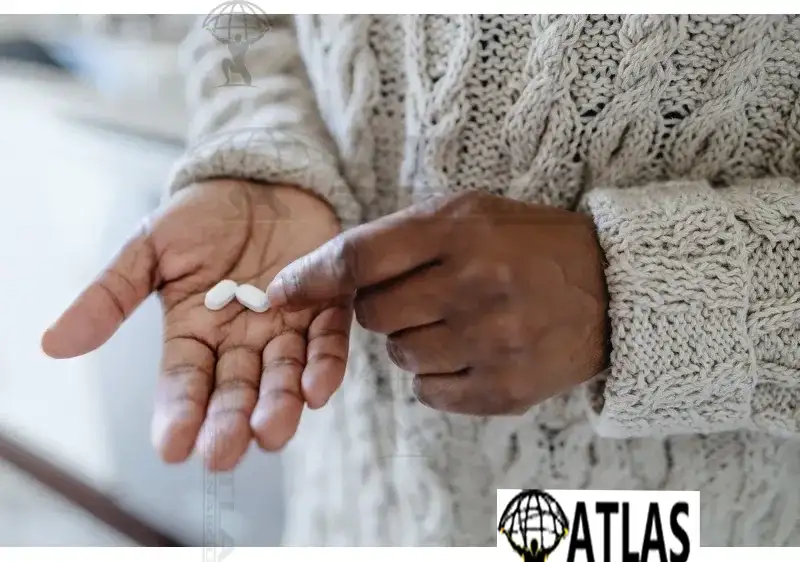
Imagine having access to tiny molecular messengers that could help your body heal injuries faster, shed stubborn weight, reclaim youthful energy, and build lean muscle more efficiently. This isn't science fiction; it's the promise of peptide therapy, a cutting-edge field of medicine moving from elite biohacker circles into the mainstream wellness conversation. A growing body of research, including studies cited by the National Institutes of Health, points to the significant regulatory potential of peptides in the human body. This guide will demystify everything you need to know.
Table of Contents
| Key Takeaway | Summary |
|---|---|
| What Are Peptides? | Short chains of amino acids that act as signaling molecules to instruct cells and optimize bodily functions. |
| Core Mechanism | Peptide therapy introduces specific peptides to target and enhance natural processes like healing, fat metabolism, and hormone production. |
| Primary Benefits | Targeted support for injury recovery, weight management, anti-aging, muscle growth, and cognitive function. |
| Critical Rule | Safety hinges on medical supervision, sourcing from reputable pharmacies, and understanding it's a tool, not a magic bullet. |
What Exactly Are Peptides? The Body's Master Messengers
To understand peptide therapy, we must first answer: what are peptides? Think of your body as a vast, complex city. Peptides are the dedicated couriers delivering precise instructions from one district (or organ) to another. Biochemically, they are short chains of amino acids, the building blocks of proteins. However, unlike large proteins (which are like whole buildings), peptides are smaller and more agile, allowing them to bind to specific cell receptors and trigger very specific actions.
Your body produces thousands of peptides naturally. For example, insulin is a peptide hormone that regulates blood sugar. The goal of therapeutic peptide therapy is to supplement or amplify these natural signals with synthetic or bio-identical versions to achieve a desired health outcome.
Peptides vs. Other Therapies: Clearing the Confusion
It's easy to lump new treatments together. Let's clarify two common comparisons.
What is the difference between peptide therapy and HRT (Hormone Replacement Therapy)? Both can influence hormone levels, but their approach differs. HRT typically involves directly replacing hormones like testosterone or estrogen that your body is deficient in. Peptide therapy often works upstream; it may stimulate your own glands (like the pituitary) to produce more of a hormone naturally. For instance, sermorelin is a peptide that prompts the body to produce more Growth Hormone (GH) on its own, rather than directly injecting GH.
What's the difference between peptides vs steroids? This is crucial. Anabolic steroids are synthetic versions of testosterone that directly force muscle growth, often with significant side effects on the liver, cholesterol, and endocrine system. Peptides, in contrast, are typically not hormones themselves. They send signals that may support natural muscle repair, fat burning, or GH release. Their action is more subtle and harmonizing, aiming to optimize your body's innate processes rather than override them with a sledgehammer.
How Does Peptide Therapy Work? A Signal and Response System
The process is elegantly specific. When a therapeutic peptide is introduced into the body, it travels through the bloodstream until it finds its matching receptor on a target cell, like a key fitting into a lock. This binding triggers a cascade of events inside the cell.
For example, a peptide designed for healing might bind to fibroblasts (skin and tissue cells), upregulating collagen production and accelerating repair. A peptide for weight loss might bind to fat cells, increasing the rate of lipolysis (fat breakdown). This targeted mechanism is what makes peptide therapy so intriguing—it offers the potential for precise, functional support with potentially fewer off-target effects than broad-spectrum medications.
Potential Benefits of Peptide Therapy: From Recovery to Rejuvenation
The benefits of peptides are vast and depend on the specific peptide or combination used. Here’s a breakdown of the most sought-after applications.
Enhanced Injury Healing and Reduced Inflammation
This is one of the most well-documented areas. Peptides like BPC-157 and TB-500 are renowned for their healing properties. Studies suggest they can dramatically speed up the repair of muscles, tendons, ligaments, and even gut lining by increasing blood flow to injured areas and modulating inflammation. For athletes or anyone with chronic joint pain, this can be transformative.
Weight Loss and Metabolic Optimization
Can peptides help with weight loss? The answer is a resounding yes for many. Peptides such as Semaglutide (originally for diabetes) and Tirzepatide work on appetite and insulin pathways, leading to significant reductions in caloric intake. Others, like Frag 176-191, are believed to specifically target fat cells for breakdown without affecting muscle mass. This makes them a powerful tool in a comprehensive metabolic health plan.
Anti-Aging and Longevity
Peptides for anti-aging aim to combat the decline of Growth Hormone and collagen production. Peptides like Epithalon are researched for their potential to extend telomeres (protective caps on DNA), while GHK-Cu is famous for skin rejuvenation, improving elasticity and reducing wrinkles. The goal is not just to live longer, but to maintain vitality and function later into life.
Muscle Growth and Athletic Recovery
For those asking how peptides aid in muscle building and recovery, the mechanism often ties back to Growth Hormone secretagogues. Peptides like CJC-1295 and Ipamorelin can stimulate the body's natural GH pulse, supporting lean muscle accrual, strengthening bones, and enhancing the body's ability to recover from intense training. They are considered some of the best peptides for recovery in the fitness community.
Improved Sleep and Cognitive Function
Certain peptides show promise for brain health. DSIP (Delta Sleep Inducing Peptide) may help regulate sleep cycles. Others are being investigated for neuroprotective effects and cognitive enhancement, potentially supporting memory and focus.
Common Uses and Popular Peptides: A Closer Look
Let's examine some of the most discussed peptides and their primary peptide uses.
| Peptide Name | Primary Purpose | Common Application |
|---|---|---|
| BPC-157 | Healing & Gut Repair | Accelerates recovery from sports injuries, tendon tears, and repairs intestinal lining ("leaky gut"). |
| Sermorelin | Growth Hormone Stimulation | Used in anti-aging and fitness regimens to boost natural GH production for fat loss and muscle tone. |
| Ipamorelin | GH Secretagogue | Often stacked with CJC-1295 for a synergistic boost in GH pulses with minimal side effects. |
| Semaglutide / Tirzepatide | Weight Management | Powerful appetite suppressants and glucose regulators leading to substantial weight loss. |
| TB-500 | Injury Repair | Promotes cell migration and healing, particularly for deep tissue, joint, and ligament injuries. |
| PT-141 | Sexual Function | Addresses low libido and arousal disorders in both men and women through central nervous system action. |
Safety, Side Effects, and The Critical Legal Landscape
The burning question for many is: Are peptide injections safe? The safety profile is highly context-dependent.
Potential Side Effects and Risks
Like any active intervention, peptide therapy carries potential peptide side effects. These are typically mild and dose-dependent but must be acknowledged.
| Risk Category | Examples |
|---|---|
| Injection-Site Reactions | Redness, itching, or pain at the injection site (most common). |
| Systemic Reactions | Headache, fatigue, water retention, or flu-like symptoms as the body adjusts. |
| Hormonal Effects | Increased hunger (or suppressed appetite, depending on peptide), potential blood sugar fluctuations. |
| Long-Term Unknowns | As a relatively young field, the long-term effects of some peptides are still under study. |
Legality and Prescription Status: Navigating the Gray Areas
Are peptides legal, and can I get a prescription? This is a nuanced topic in the USA. Many peptides are classified as "unapproved new drugs" by the FDA. However, they are legally available for research purposes. In clinical practice, licensed physicians can prescribe peptides as "compounded medications" for specific patient needs, which is a legal pathway. The critical distinction is between research chemicals and pharmaceutical-grade peptides prescribed by a doctor. Purchasing from unverified online labs carries significant risk regarding purity and accuracy. For products like collagen peptides (dietary supplements), regulations are different and generally looser.
How to Get Peptide Therapy: A Roadmap for Responsible Use
If you're considering this path, a disciplined, medical-first approach is non-negotiable.
- Consult a Knowledgeable Medical Professional: Seek a doctor, endocrinologist, or specialist in regenerative or anti-aging medicine who understands peptide therapy. They will review your health history, goals, and run baseline bloodwork.
- Obtain a Legitimate Prescription: A valid prescription should be filled by a reputable compounding pharmacy that follows strict quality control (USP standards). This ensures you get the correct peptide at the proper purity and concentration.
- Learn Proper Administration: Most therapeutic peptides require subcutaneous peptide injections. Your provider should train you on sterile technique, dosing, and rotation of injection sites. Some peptides are available as nasal sprays or topical creams, but injections are most common.
- Commit to Monitoring and Patience: How long does it take to see results from peptide therapy? It varies. Some effects like improved sleep may be noticed in weeks, while body composition changes or injury healing can take 2-6 months. Regular follow-up appointments to monitor progress and side effects are essential.
Cost Considerations
What is the cost of peptide therapy? It can range from $150 to over $800 per month, depending on the peptides, dosage, and pharmacy. It's an investment, which underscores the importance of working with a professional to ensure it's the right and effective investment for you.
Medical & Legal Disclaimer: This article is for informational and educational purposes only. It does not constitute medical advice. The information, including but not limited to text, graphics, and images, is not a substitute for professional medical advice, diagnosis, or treatment. Always seek the advice of your physician or other qualified health provider with any questions you may have regarding a medical condition or before starting or stopping any medication, therapy, or lifestyle modification. Do not disregard professional medical advice or delay in seeking it because of something you have read here. The legality of peptide possession and use varies; consult local regulations and a licensed professional.
Frequently Asked Questions (FAQs)
What exactly are peptides and how do they work?
Peptides are short chains of amino acids that act as signaling molecules in the body. They work by binding to specific cell receptors, like a key in a lock, to trigger targeted actions such as releasing hormones, accelerating healing, or modulating metabolism.
Are peptide injections safe?
When prescribed by a knowledgeable physician and obtained from a legitimate compounding pharmacy, peptide injections can have a favorable safety profile with manageable side effects. Safety is highly dependent on proper medical supervision, dosing, and sourcing.
What are the most common benefits of peptide therapy?
The most common reported benefits include accelerated injury healing, effective weight loss support, improved skin quality and anti-aging markers, enhanced muscle recovery and growth, and better sleep and cognitive function.
Can peptides help with weight loss?
Yes, certain peptides like Semaglutide and Tirzepatide are highly effective for weight loss by reducing appetite and improving insulin sensitivity. Others like Frag 176-191 may promote targeted fat breakdown.
How are peptides administered?
Most therapeutic peptides are administered via subcutaneous injections (small shots into the fat layer). Some are available as nasal sprays, oral tablets (though less common due to digestion issues), or topical creams, especially for cosmetic peptide uses.
Should I take collagen peptides or use therapeutic peptides?
They serve different purposes. Collagen peptides are dietary supplements, broken-down collagen proteins that support skin, hair, and joints from within the gut. Therapeutic peptides (like BPC-157 or Sermorelin) are targeted bio-regulators used for specific medical or wellness goals under a doctor's care.
Ready to Explore Your Wellness Potential?
Navigating the world of peptides requires reliable information and quality sources. Whether you're researching for personal knowledge or discussing options with your healthcare provider, understanding the landscape is key.
For those interested in the broader context of performance and recovery optimization, you can explore our educational resources on related topics. Visit our blog for more in-depth articles on health, wellness, and the science behind modern therapies.
Your journey to optimized health starts with education and professional guidance.

Shipping Cost
On all orders is set at $25.00

Secure checkout
Protected by Bitcoin

Offer & gift here
On all huge orders
Be the first to comment