
Steroid Side Effects: Your Comprehensive Guide to Understanding and Mitigating Risks

If you've just been prescribed corticosteroid medication like prednisone, you're likely caught between relief and worry. These drugs are medical powerhouses, capable of taming life-altering inflammation from conditions like asthma, lupus, and rheumatoid arthritis. Yet, a quick internet search on steroid side effects can be alarming. Weight gain, moon face, mood swings the list is long. But here is the crucial, evidence based truth: while these side effects are common, they are not inevitable. With knowledge and proactive strategy, you can work with your doctor to maximize the benefits of your treatment while minimizing steroid side effects. This guide is your evidence based roadmap to doing just that.
Table of Contents
- What Are Corticosteroids and How Do They Work?
- Short Term Steroid Side Effects and How to Manage Them
- The Risks of Long Term Steroid Use
- Why You Must Never Stop Steroids Suddenly
- Your Action Plan: How to Reduce Steroid Side Effects
- Frequently Asked Questions (FAQs)
- Recommended Resources and Next Steps
Quick Summary: Key Takeaways at a Glance
| Category | Key Insight | Immediate Action |
|---|---|---|
| Common Side Effects | Increased appetite, fluid retention, insomnia, and mood changes are very common but often manageable. | Track food intake, limit sodium, establish a sleep routine, and communicate mood changes to your doctor. |
| Serious Long Term Risks | Long term steroid use can increase risk for osteoporosis, diabetes, cataracts, and adrenal insufficiency. | Discuss bone density scans, monitor blood sugar, have eye exams, and follow taper instructions meticulously. |
| Golden Rule | Never stop steroids suddenly. Abrupt cessation can trigger a dangerous adrenal insufficiency crisis. | Always follow your doctor's tapering schedule precisely, even if you feel better. |
| Empowerment | You are not passive. Diet, exercise, timing of dose, and supplement strategies can significantly reduce steroid side effects. | Adopt a low glycemic, high protein, low sodium diet. Incorporate weight bearing exercise. Take medication in the morning. |
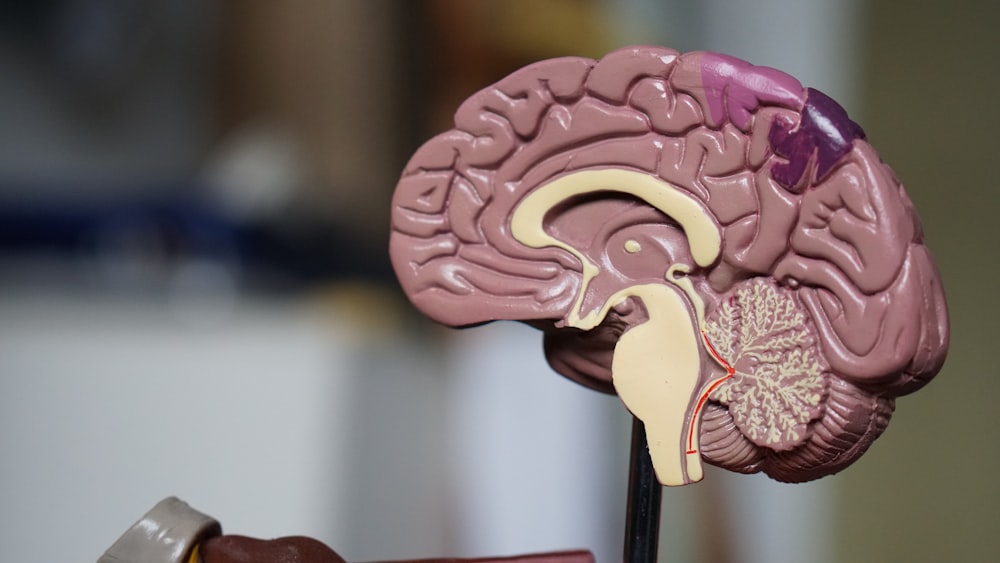
Understanding your medication is the first step toward using it safely and effectively. (Image credit: Unsplash)
What Are Corticosteroids and Why Do They Cause Side Effects?
To manage steroid side effects, it helps to understand what these drugs are doing in your body. Corticosteroids (like prednisone, prednisolone, methylprednisolone) are synthetic versions of cortisol, a hormone naturally produced by your adrenal glands. Cortisol is your body's built in anti inflammatory and immune system regulator. It's essential for life.
When doctors prescribe these medications, they are essentially giving your body a massive, concentrated dose of this anti inflammatory signal. This is why they work so brilliantly to suppress an overactive immune response in conditions like rheumatoid arthritis or to open inflamed airways in asthma.
However, this powerful signal doesn't just target your specific problem area. It echoes throughout your entire system, influencing metabolism, fluid balance, bone turnover, mood centers in the brain, and more. The corticosteroid side effects you experience are essentially the downstream consequences of this broad systemic action. As noted by the Endocrine Society, the risk of these effects increases with higher doses and longer duration of use, making strategies for minimizing steroid side effects critical for anyone on therapy beyond a few weeks.
The Different Forms: Not All Steroids Are Created Equal
It's important to distinguish between corticosteroids (anti inflammatory) and anabolic steroids (used for muscle building). This article focuses solely on the former. Furthermore, the delivery method significantly impacts side effect risk:
- Oral/Systemic (e.g., prednisone tablets): Carry the highest risk for systemic side effects as the medication circulates throughout the entire body.
- Inhaled (for asthma): Much lower systemic absorption, though high doses long term can have some minor systemic effects.
- Topical (for skin): Generally low risk unless used on large areas or under occlusion for long periods.
- Injections (into joints or muscles): Can have local and some short term systemic effects.
Short Term Steroid Side Effects: The Immediate Challenges
These effects can appear within days or weeks of starting therapy, even with short courses. Knowing they might come helps you prepare and not be caught off guard.
1. Fluid Retention and "Moon Face"
How to reduce water retention from corticosteroids is one of the most searched questions. Steroids cause your body to retain sodium, which leads to fluid retention (edema). This often manifests as puffiness in the face (moon face from steroids), hands, and ankles. The round, full face appearance is a classic sign.
Actionable Strategy: Drastically reduce your sodium intake. Cook at home, avoid processed foods, and read labels. Increase potassium rich foods like bananas, spinach, and sweet potatoes, which can help balance sodium. Ensure adequate hydration paradoxically, drinking enough water helps your body release excess fluid.
2. Increased Appetite and Weight Gain
Steroid weight gain is a major concern. The drugs directly stimulate appetite centers in the brain, leading to intense hunger, often for carbohydrates and sugars. This, combined with fluid retention, can lead to rapid weight gain.
Actionable Strategy: How can I prevent weight gain while on steroids? The answer lies in preemptive planning. Don't wait for hunger to strike.
- Eat on a schedule: Have protein and fiber rich meals and snacks every 3 4 hours to maintain stable blood sugar and prevent ravenous hunger.
- Fill up on volume: Prioritize non starchy vegetables (broccoli, salads, peppers) to feel full on fewer calories.
- Choose high protein: Protein increases satiety. Include lean meats, fish, eggs, legumes, and Greek yogurt.
- What should I eat to minimize steroid side effects? A low glycemic, high protein, low sodium diet is your best defense.
3. Mood, Energy, and Sleep Disturbances
How do steroids affect your mood and sleep? Profoundly. They can cause euphoria, agitation, anxiety, irritability, or even depression in what's sometimes called "steroid psychosis." They also disrupt the sleep wake cycle, leading to insomnia.
Actionable Strategy:
- Dose timing: Taking your entire dose first thing in the morning (by 8 AM) mimics the body's natural cortisol rhythm and can drastically reduce insomnia.
- Communication is key: Inform your household that mood swings are a possible side effect, not "the real you." More importantly, tell your doctor.
- Sleep hygiene: Create a dark, cool, screen free bedroom. Consider relaxation techniques like meditation or gentle yoga before bed.
Long Term Steroid Use: Understanding and Mitigating Serious Risks
When therapy extends for months or years, the cumulative impact of corticosteroids requires vigilant management. The goal is to use the lowest effective dose for the shortest possible time, but for some conditions, long term steroid use is unavoidable.
| Risk Category | Why It Happens | Prevention & Monitoring Strategy |
|---|---|---|
| Osteoporosis & Bone Fractures | Steroids inhibit bone forming cells, increase bone breakdown, and reduce calcium absorption. | How do you protect your bones while on long-term steroids? Take calcium (1200 1500 mg/day) and Vitamin D (800 2000 IU/day). Do weight bearing exercise (walking, strength training). Discuss a DEXA bone density scan with your doctor. |
| Steroid Induced Diabetes | Steroids make the liver release more glucose and make cells more resistant to insulin. | What are the signs of steroid-induced diabetes? Increased thirst, frequent urination, fatigue, blurred vision. Monitor blood sugar regularly if at risk. Follow a low glycemic diet. Medication adjustments may be needed. |
| Adrenal Suppression | Long term external steroids signal your adrenal glands to "go to sleep." They stop producing natural cortisol. | This is why steroid withdrawal symptoms and adrenal insufficiency occur if stopped abruptly. Always taper. In times of major stress (surgery, illness), you may need extra steroids your doctor will provide a "stress dose" plan. |
| Skin Thinning & Easy Bruising | Steroids impair collagen synthesis and weaken skin capillaries. | Protect skin from injury. Use moisturizers and sunblock. This often improves slowly after stopping medication. |
| Cataracts & Glaucoma | Prolonged use increases the risk of developing posterior subcapsular cataracts and can raise intraocular pressure. | Schedule regular eye exams with an ophthalmologist to monitor for these changes. |
Can Steroid Side Effects Be Permanent?
This is a pressing fear. For most people, the majority of steroid side effects are reversible once the medication is discontinued and the body readjusts. Moon face from steroids and weight from fluid retention typically subside within weeks to months. However, some changes, like certain bone loss that occurred during therapy or cataracts that have formed, may be permanent. This underscores the critical importance of preventive strategies from day one.
The Golden Rule: Why It Is Dangerous to Stop Steroids Suddenly
This point cannot be overstated. If you have been on steroids for more than a few weeks, your adrenal glands have likely downregulated their own cortisol production. If you stop the pills abruptly, your body is left with no cortisol, a life sustaining hormone. This leads to adrenal insufficiency caused by steroids, a medical emergency characterized by profound fatigue, nausea, vomiting, low blood pressure, and even shock.
Steroid withdrawal symptoms can also include muscle and joint pain, fever, and a return of the original disease symptoms. The only safe way off is via a gradual taper prescribed by your doctor, which allows your adrenal glands to "wake up" slowly and resume their natural function. Always consult a healthcare provider before making any change to your regimen.
Your Proactive Action Plan: How to Reduce Steroid Side Effects
Empowerment is the theme. Here is a consolidated, doctor approved strategy to take control.
1. The Nutritional Defense Plan
- Low Sodium: Aim for less than 2000mg daily. Beware of hidden salt in bread, sauces, and canned goods.
- High Protein: Include a protein source at every meal and snack to combat hunger and preserve muscle mass.
- Low Glycemic Carbohydrates: Choose whole grains, legumes, and vegetables over refined sugars and white flour to help manage blood sugar.
- Calcium & Vitamin D: Supplement as recommended to protect bones. Dietary sources include dairy, fortified foods, leafy greens, and fatty fish.
- Limit Alcohol: Can you drink alcohol while taking steroids? It's generally advised to limit or avoid. Alcohol can increase the risk of stomach irritation and may worsen blood sugar and bone health issues.
2. The Lifestyle Integration Plan
- Exercise Smartly: Combine weight bearing exercise (walking, strength training) for bones with whatever activity your condition allows. Even gentle movement helps regulate mood and appetite.
- Prioritize Sleep: Protect your sleep window. Be rigid with your bedtime routine and morning dosing schedule.
- Track and Communicate: Keep a simple log of weight, mood, sleep, and any new symptoms. This data is invaluable for your doctor to tailor your treatment.
3. The Medical Partnership Plan
- Regular Monitoring: Expect regular check ups for blood pressure, blood sugar, bone density, and eye health.
- Discuss Adjunctive Therapies: For long-term steroid use, ask about "steroid sparing" agents like other disease modifying drugs (DMARDs for RA) that may allow for a lower steroid dose.
- Never Self Adjust: Follow the taper plan exactly. If you have concerns about side effects, call your doctor don't just stop.
Frequently Asked Questions (FAQs)
What are the most common side effects of taking steroids like prednisone?
The most common prednisone side effects include increased appetite, weight gain, fluid retention (causing puffiness and moon face), insomnia, mood changes (irritability or euphoria), and increased blood sugar levels.
What is "moon face" and does it go away after stopping steroids?
Moon face is the round, full facial appearance caused by fat redistribution and fluid retention. Yes, it typically goes away after stopping the medication, but it may take several weeks to months for the face to return to its prior shape as the body's metabolism normalizes.
How long after stopping steroids do side effects last?
Most short term effects like fluid retention and mood swings resolve within days to weeks of stopping. Metabolic changes and weight may take several months to fully normalize. Some effects, like bone density changes or cataracts, may be long lasting, highlighting the need for prevention.
What are the side effects of topical or inhaled steroids?
Topical steroids can cause skin thinning, stretch marks, and acne at the application site. Inhaled steroids can cause oral thrush (a yeast infection in the mouth) and hoarseness. Rinsing the mouth after use and using a spacer device can greatly minimize these risks. Systemic side effects are rare with proper use of these forms.
Are there any natural alternatives to corticosteroids?
While certain diets (anti inflammatory) and supplements (like omega 3s, turmeric) may offer modest supportive benefits for inflammation, there are no natural compounds that replicate the potent, broad spectrum immunosuppressive effect of prescription corticosteroids. Never replace prescribed medication with an alternative without explicit guidance from your doctor, as this can lead to dangerous disease flares.
Ready to Take the Next Step in Your Health Journey?
Managing a chronic condition is a partnership between you and your healthcare team. Armed with this knowledge, schedule a conversation with your doctor to create a personalized plan for monitoring and minimizing steroid side effects. Remember, the goal is to use these powerful medications as safely and effectively as possible, giving you the best chance at managing your health with confidence.
For further research, always turn to authoritative sources like the National Institutes of Health (NIH), the FDA, or peer reviewed journals.

Shipping Cost
On all orders is set at $25.00

Secure checkout
Protected by Bitcoin

Offer & gift here
On all huge orders
Be the first to comment