MENU
Cart

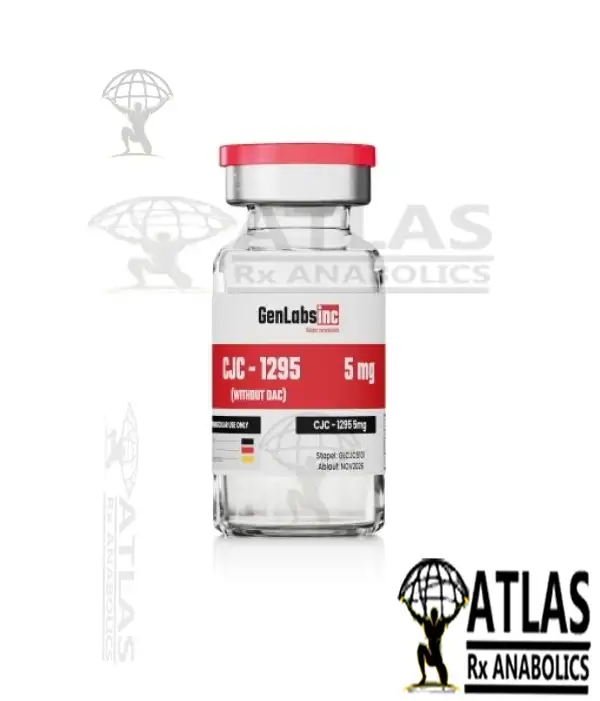
CJC 1295 – 5MG WITHOUT DAC VIAL WITH BA

Description for CJC 1295 – 5MG WITHOUT DAC VIAL WITH BA

GenLabs CJC-1295 (Without DAC) 5mg Vial with Bacteriostatic Water

In the rigorous world of metabolic and regenerative research, precision, purity, and biological mimicry are paramount. GenLabs introduces its flagship Growth Hormone-Releasing Hormone (GHRH) analog: CJC-1295 (Without DAC) 5mg Vial, presented with a complimentary 2ml vial of USP-grade Bacteriostatic Water. This formulation represents the cutting edge in peptide science, designed for researchers seeking to explore the profound effects of endogenous, pulsatile growth hormone (GH) secretion without the extended half-life modification of Drug Affinity Complex (DAC). For investigations focused on sleep-cycle GH pulses, fat metabolism, cellular repair, and lean tissue accretion, this compound offers an unparalleled tool for accurate physiological modeling.

Understanding the Molecule: CJC-1295 "Mod GRF 1-29"

CJC-1295 is a synthetic analog of the natural Growth Hormone-Releasing Hormone (GHRH, comprising 44 amino acids). The GenLabs variant specifically uses the truncated, more stable, and potent 29-amino acid sequence known in research literature as Mod GRF 1-29. The critical distinction lies in the "Without DAC" designation.

  • With DAC: CJC-1295 with DAC binds irreversibly to albumin in the bloodstream, creating a drug reservoir that releases continuously for days, leading to a sustained, non-physiological elevation of GH and IGF-1.

  • Without DAC (This Product): Our CJC-1295 is without DAC. This means it acts almost identically to the body's native GHRH. It stimulates the pituitary gland’s somatotroph cells, inducing a strong, transient, and pulsatile release of growth hormone that closely mimics the body's natural secretory patterns—particularly the major pulses during deep-wave sleep and post-exercise. This makes it an essential compound for research into circadian hormone rhythms, natural anabolic processes, and targeted metabolic interventions.

Key Research Applications & Mechanistic Pathways

GenLabs CJC-1295 (Without DAC) is utilized in preclinical research models to study:

  1. Pulsatile GH Secretion & Circadian Biology: To investigate the role of natural GH pulses in sleep quality, tissue repair overnight, and morning metabolic rates. Its short half-life (~30 minutes) allows for precise timing of pulses, mirroring endogenous cycles.

  2. Lipolysis & Body Composition: Research indicates that pulsatile GH release is a potent trigger for lipolysis (fat breakdown). Studies may explore its role in mobilizing stored triglycerides for energy, potentially impacting adipocyte (fat cell) metabolism and reducing visceral fat accumulation.

  3. Protein Synthesis & Muscle Recovery: By elevating IGF-1 levels downstream of GH release, this peptide is a tool for examining pathways related to muscle protein synthesis, nitrogen retention, and the repair of musculoskeletal tissues following stress or damage.

  4. Cellular Regeneration & Longevity Pathways: GH and IGF-1 play roles in the maintenance of tissues, skin, bone density, and organ health. Research using this precise analog can probe its effects on collagen synthesis, wound healing, and markers of cellular turnover.

  5. Synergistic Potentiation: A primary area of advanced research involves the synergistic effect of GHRH analogs with other secretagogues, most notably Ipamorelin. The combination is studied for creating a more potent and selective GH pulse, as Ipamorelin suppresses somatostatin (the hormone that inhibits GH), allowing CJC-1295 to act unopposed.

Why Choose GenLabs CJC-1295 (Without DAC)?

  1. Ultra-High Purity (≥99%): Every batch is synthesized using state-of-the-art solid-phase peptide synthesis (SPPS) and purified via HPLC. Each vial includes a Certificate of Analysis (CoA) from an independent, ISO-certified third-party laboratory, confirming identity, purity, and absence of residual solvents or microbial contaminants.

  2. Sterile, Lyophilized Powder: The 5mg of active peptide is presented as a sterile, lyophilized (freeze-dried) white powder in a sealed, neutral glass vial. This ensures stability, longevity, and easy reconstitution.

  3. Included Bacteriostatic Water (2ml, 0.9% Benzyl Alcohol): We provide a complimentary vial of USP-grade Bacteriostatic Water. The 0.9% benzyl alcohol preserves sterility after reconstitution, allowing multi-dose use when handled correctly under aseptic conditions. This water is specifically formulated for peptide reconstitution.

  4. Rigorous Quality Assurance: Manufactured in an ISO 9001 certified facility, our peptides are subjected to Mass Spectrometry (MS) for identity confirmation and HPLC for purity quantification. Vials are filled and capped in a controlled environment.

  5. Clarity in Labeling & Use: We provide clear distinctions between "With DAC" and "Without DAC" products to prevent research protocol errors. Our labeling includes batch numbers and expiration dates for full traceability.

Reconstitution, Storage & Handling Protocol

Important Note: This product is for laboratory research use only. It is not for human or veterinary consumption.

  • Reconstitution: Using aseptic technique, gently inject the provided Bacteriostatic Water into the peptide vial. Aim the stream against the glass wall to avoid aggressive agitation. Roll gently between hands until the solution is clear and completely dissolved. Do not shake.

  • Storage: Store the unreconstituted vial in a cool, dark place (optimally at 2-8°C / 36-46°F). After reconstitution, the solution must be refrigerated and used within a defined research timeframe (typically 14-21 days when handled sterilely) due to the absence of preservatives in the peptide vial itself.

  • Dosing Considerations (Research Models): In research settings, dosing is weight-based and timed to mimic natural pulses. Common research protocols involve administration once to twice daily, often in the evening or post-activity. Precise dosing parameters are determined by the specific experimental design.

GenLabs: Your Partner in Advanced Peptide Research

GenLabs is committed to empowering the scientific community with reliable, high-fidelity research compounds. We understand that the integrity of your data begins with the integrity of your reagents. Our CJC-1295 (Without DAC) is more than a peptide; it is a meticulously crafted tool designed to help you uncover the nuanced workings of the somatotropic axis with confidence.

FAQ

Q: What is the difference between CJC-1295 With DAC and Without DAC?
A: The DAC (Drug Affinity Complex) modification creates a long-acting release profile (half-life of several days). "Without DAC" has a short half-life (~30 min), producing a brief, pulsatile GH release that mimics the body's natural pattern.

Q: Why is Bacteriostatic Water included?
A: Bacteriostatic Water contains 0.9% benzyl alcohol, which inhibits bacterial growth. This allows the reconstituted peptide solution to be used multiple times over a short period when stored correctly, reducing waste and cost for research.

Q: What is the purity of this product?
A: Every batch is guaranteed to be ≥99% pure, as verified by independent third-party HPLC analysis. The CoA is available upon request or via our website using the batch number.

Q: How should this be stored long-term?
A: For long-term stability (up to 2 years), keep the sealed, lyophilized vial frozen at or below -20°C (-4°F). For daily use, refrigerated storage is sufficient.

Order Your Research Supply Today

Navigate the complexities of growth hormone research with precision. Select GenLabs CJC-1295 (Without DAC) 5mg Vial for a compound that delivers accuracy, purity, and physiological relevance. Explore our full catalog of synergistic peptides, including Ipamorelin, for comprehensive study designs.

Based on 0 review(s)

No review yet

Add a Review

Your Ratings:

Related Products.

Unlock Your Body’s Natural Sun-Kissed Potential: A Comprehensive Guide to Melanotan II (10mg) by GenLabs

Meta Title: Premium Melanotan II 10mg Vial | Peptide for Tanning & More | GenLabs
Meta Description: Discover GenLabs' premium Melanotan II 10mg peptide kit. Learn about its mechanism, benefits, reconstitution with bacteriostatic water, dosing protocol, and safety considerations for a research-focused approach to skin pigmentation and beyond.

H1: Melanotan II (10mg / Vial) - Premium Research Peptide by GenLabs

In the realm of peptide research, few compounds have garnered as much attention for their multifaceted potential as Melanotan II. GenLabs is proud to offer a premium, high-purity formulation of this synthetic analog of the alpha-melanocyte-stimulating hormone (α-MSH). Presented as a sterile, lyophilized powder in a 10mg vial and accompanied by a vial of USP-grade Bacteriostatic Water for precise reconstitution, our Melanotan II is manufactured for the exacting standards of research and biochemical study.

This product description serves as a detailed, scientific overview of Melanotan II, its proposed mechanisms of action, its history in research, and the critical importance of proper handling and reconstitution. GenLabs emphasizes that this product is intended for in vitro laboratory research use only and is not for human or animal consumption.

Understanding Melanotan II: A Scientific Overview

Melanotan II is a synthetic, cyclic heptapeptide analog. Its design is based on the native hormone α-MSH, which plays a central role in the body's natural pigmentation, or melanogenesis, system. However, researchers have found that Melanotan II exhibits not only potent melanotropic (pigment-producing) effects but also intriguing secondary properties related to appetite modulation, libido, and potential neuroprotective pathways.

The core mechanism of action involves the activation of melanocortin receptors (MCRs), specifically MC1R and MC4R. Upon binding to MC1R on melanocytes (the pigment-producing cells in the skin), it triggers a cascade of biochemical events leading to the production and distribution of eumelanin—the dark, photoprotective form of melanin. This process mimics the body's natural response to UV exposure but is initiated pharmacologically.

Key Areas of Research Interest

While public discussion often focuses on one primary effect, scientific literature points to several distinct areas of research interest for Melanotan II:

  1. Skin Pigmentation (Melanogenesis) Research: The primary and most studied effect. Research indicates that Melanotan II can stimulate a significant increase in eumelanin production independent of substantial UV exposure, though minimal UV exposure (like low-level sunlight or UVB) is often used in studies to "activate" and darken the newly formed pigment. This has made it a compound of interest for studies on conditions related to pigmentation deficiency and photoprotection.

  2. Appetite and Metabolic Studies: Activation of the MC4R receptor in the central nervous system is strongly linked to the regulation of energy homeostasis. Research involving Melanotan II has observed a notable, dose-dependent reduction in appetite and food intake in experimental models, positioning it as a significant compound for metabolic pathway analysis.

  3. Sexual Function Research: One of the more serendipitous findings in early clinical trials was the induction of spontaneous penile erections in male subjects. This has directed research toward its potential role in activating pathways involved in sexual arousal and function, independent of the central nervous system's conscious mechanisms, via actions on MC4R in the spinal cord.

  4. Potential Neuroprotective Effects: Emerging preclinical research suggests that melanocortin peptides like Melanotan II may have protective effects against oxidative stress and inflammation in neuronal tissues, opening avenues for future study in neurodegenerative conditions.

Product Specifications & GenLabs Quality Commitment

  • Compound: Melanotan II (MT-II)

  • Form: Lyophilized (freeze-dried) sterile powder

  • Purity: ≥ 98% (as verified by HPLC analysis)

  • Presentation: 10mg of peptide in a sealed, sterile glass vial.

  • Kit Includes: One 10mg Melanotan II vial AND one 30ml vial of Bacteriostatic Water (0.9% Benzyl Alcohol).

  • Storage: Store the lyophilized powder in a cool, dry place at or below 77°F (25°C). After reconstitution, the solution must be refrigerated (36-46°F / 2-8°C) and used within a specified period to ensure stability and sterility.

Why GenLabs? Our commitment is to research integrity. Every batch of GenLabs Melanotan II is synthesized in an ISO-certified facility, undergoes rigorous third-party laboratory testing for purity, sterility, and peptide content, and is provided with complete transparency. The inclusion of a professional-grade vial of Bacteriostatic Water (containing 0.9% benzyl alcohol as a preservative) is crucial, as it allows for multi-dose use of the reconstituted solution while inhibiting bacterial growth.

Critical Protocol: Reconstitution and Handling

Disclaimer: The following is a technical description of peptide reconstitution for laboratory purposes. Proper aseptic technique is paramount to maintain sterility.

  1. Gather Materials: Melanotan II vial, Bacteriostatic Water vial, alcohol swabs, and appropriate laboratory-grade syringes (1ml insulin syringes are often used for measurement precision in research settings).

  2. Sanitize: Wipe the rubber stoppers of both vials with an alcohol swab.

  3. Draw Bacteriostatic Water: Draw the desired amount of Bacteriostatic Water into the syringe. A common research dilution is 2ml of water into the 10mg peptide vial, resulting in a concentration of 5mg/ml (or 5000mcg/ml).

  4. Reconstitute: Gently inject the Bacteriostatic Water into the vial containing the Melanotan II powder, aiming the stream against the glass wall to avoid aggressive agitation of the peptide. Roll the vial gently between your hands until the powder is fully dissolved and the solution is clear. Do not shake vigorously.

  5. Storage: Once reconstituted, immediately label the vial with the date and concentration, and refrigerate. Research suggests the reconstituted solution, when kept refrigerated and handled with sterile technique, remains stable for use for a number of weeks.

Research Considerations and Important Notes

  • Side Effects Observed in Clinical Literature: Historical human trials reported common, transient effects including facial flushing, nausea, appetite suppression, and spontaneous yawning/stretching. These were often dose-dependent and tended to diminish with continued administration. A notable effect is the potential for new or existing moles and freckles to darken, which underscores the importance of monitoring skin changes in relevant research models.

  • The Role of UV Exposure: While Melanotan II stimulates melanin production, the darkening (tanning) of that pigment typically requires some level of UV activation. Research protocols often use minimal, controlled UV exposure to achieve the desired visual effect, highlighting the compound's role in photoprotection by increasing the skin's natural UV barrier (eumelanin).

  • Dosing in Research Contexts: Historical protocols often utilized a "loading phase" followed by a "maintenance phase." Dosing is highly individual in research and is typically measured in micrograms (mcg) per kilogram of body mass. Starting with very low doses to assess response is a standard research principle.

FINAL AND ESSENTIAL DISCLAIMER:

GenLabs Melanotan II is sold strictly as a raw material for scientific research and laboratory use only. It is classified as a Research Chemical (RC). This product is NOT intended for human or veterinary diagnostic or therapeutic use. It is not a drug, dietary supplement, or cosmetic. It has not been evaluated or approved by the FDA or any other regulatory body for any disease or condition. The researcher assumes all liability for the safe handling, storage, and use of this product in compliance with all applicable local, state, and federal laws and regulations. By purchasing this product, you acknowledge and certify that you are a qualified researcher or institution familiar with the handling of bioactive peptides.

By choosing GenLabs, you are selecting a partner dedicated to providing the highest quality research materials with clarity, transparency, and a commitment to the scientific process. Explore the potential of Melanotan II with the confidence that comes from unparalleled purity and precision.


**LWP 300 Anabolic Steroids: A Detailed Description**

Introduction:

Anabolic steroids have been a topic of great interest and controversy in the field of sports and bodybuilding for several decades. These substances, such as LWP 300, have gained popularity among athletes and fitness enthusiasts due to their potential to enhance muscle growth, strength, and athletic performance. In this detailed description, we will delve into the specifics of LWP 300 anabolic steroids, exploring their composition, mechanisms of action, potential benefits, side effects, and legal status.

Composition and Mechanisms of Action:

LWP 300 belongs to the class of anabolic steroids, which are synthetic derivatives of testosterone, the primary male sex hormone. LWP 300 is known for its strong anabolic properties, meaning it promotes muscle growth and protein synthesis. It achieves this by binding to androgen receptors in muscle cells, activating specific genetic pathways that stimulate protein production and muscle hypertrophy.

Benefits of LWP 300 Anabolic Steroids:

1. Increased Muscle Mass: One of the primary reasons athletes and bodybuilders use LWP 300 is its ability to promote muscle growth. By enhancing protein synthesis, these steroids enable users to build lean muscle mass more efficiently, leading to improved strength and physical performance.

2. Enhanced Recovery: LWP 300 anabolic steroids have been reported to accelerate the recovery process following intense workouts. They reduce muscle damage and inflammation, allowing athletes to train more frequently and with higher intensity.

3. Improved Athletic Performance: Athletes seeking a competitive edge often turn to LWP 300 steroids due to their potential to enhance performance. These substances can increase power, speed, and endurance, enabling athletes to perform at their best during training sessions and competitions.

4. Increased Bone Density: Anabolic steroids like LWP 300 have also been shown to improve bone density, which is especially beneficial for athletes engaged in high-impact sports. Stronger bones can reduce the risk of fractures and injuries, promoting long-term physical well-being.

Side Effects and Risks:

While LWP 300 anabolic steroids offer potential benefits, they are not without risks. It is crucial to understand and consider the potential side effects before using these substances. Some of the most common side effects include:

1. Hormonal Imbalance: Using LWP 300 steroids can disrupt the body's natural hormone balance. It can lead to a decrease in testosterone production, causing testicular atrophy, reduced fertility, and mood swings.

2. Cardiovascular Issues: Prolonged use of LWP 300 anabolic steroids can increase the risk of cardiovascular problems. These substances can negatively affect cholesterol levels, raise blood pressure, and contribute to the development of heart disease.

3. Liver Damage: Anabolic steroids can put strain on the liver, potentially leading to liver damage or dysfunction. Individuals with pre-existing liver conditions should avoid using these substances.

4. Acne and Skin Issues: LWP 300 steroids have been associated with increased sebum production, leading to acne breakouts. They can also cause oily skin, hair loss, and unwanted body hair growth in both males and females.

Legal Status:

It is essential to note that the legal status of anabolic steroids varies across different countries. In some regions, LWP 300 and similar substances are classified as controlled substances, available only with a valid prescription. Unauthorized possession, distribution, or use of these steroids can lead to legal consequences. Therefore, it is crucial to understand and adhere to the laws governing anabolic steroid use in your specific jurisdiction.

Conclusion:

LWP 300 anabolic steroids have gained popularity among athletes and bodybuilders due to their potential to enhance muscle growth, strength, and athletic performance. However, it is essential to weigh the benefits against the potential risks and side effects associated with their use. Prior to considering the use of LWP 300 or any anabolic steroid, individuals should consult with medical professionals, be aware of legal implications, and prioritize their overall health and well-being.


**Nandrolone Decanoate: A Comprehensive Overview**

Introduction:
Nandrolone Decanoate is a synthetic anabolic steroid that belongs to the class of 19-nor compounds. It is derived from testosterone and is widely used in the medical field for various therapeutic purposes. Nandrolone Decanoate is commonly known by its brand name Deca-Durabolin. In this detailed description, we will explore the pharmacology, uses, side effects, and precautions associated with this compound.

Pharmacology:
Nandrolone Decanoate is an androgen receptor agonist, meaning it binds to and activates the androgen receptors in various tissues of the body. This results in an increase in protein synthesis, nitrogen retention, and red blood cell production. These properties make it an effective anabolic agent, promoting muscle growth and improving athletic performance.

Medical Uses:
Nandrolone Decanoate has a long history of medical use. It is primarily prescribed to treat conditions such as anemia, osteoporosis, and muscle wasting diseases. The drug stimulates red blood cell production, which enhances oxygen-carrying capacity and improves endurance. In osteoporosis, it helps increase bone mineral density and reduce the risk of fractures. Additionally, Nandrolone Decanoate has been used to aid recovery in burn victims and to manage certain types of breast cancer.

Bodybuilding and Performance Enhancement:
Outside of its medical applications, Nandrolone Decanoate is widely used by bodybuilders and athletes for performance enhancement. It is highly regarded for its ability to increase muscle mass, enhance strength, and improve overall physique. The compound promotes nitrogen retention, leading to increased protein synthesis and muscle growth. Additionally, it helps alleviate joint pain and improve collagen synthesis, making it a popular choice among athletes.

Dosage and Administration:
The dosage of Nandrolone Decanoate varies depending on the individual and the purpose of use. In the medical field, the typical dose ranges from 50mg to 200mg every 2 to 4 weeks. However, in the performance enhancement realm, doses can be significantly higher, ranging from 200mg to 600mg per week. It is usually administered via intramuscular injection due to its long half-life.

Side Effects:
Like any other anabolic steroid, Nandrolone Decanoate is not without its potential side effects. Some common side effects include acne, oily skin, increased facial and body hair growth, and deepening of the voice. In men, it can cause testicular atrophy, reduced sperm count, and impotence. In women, it may lead to menstrual irregularities and virilization symptoms such as deepening of the voice and enlargement of the clitoris. Other potential side effects include cardiovascular issues, liver toxicity, and mood disturbances.

Precautions:
It is crucial to exercise caution and follow precautions when using Nandrolone Decanoate. Due to its potential for abuse and misuse, it is classified as a controlled substance in many countries. It is important to obtain it legally through a prescription and under the supervision of a qualified healthcare professional. Regular monitoring of liver function, lipid profiles, and cardiovascular health is recommended to mitigate potential risks. It is also advised to undergo post-cycle therapy (PCT) to restore natural hormone production after discontinuing the use of Nandrolone Decanoate.

Conclusion:
Nandrolone Decanoate is a versatile compound with both medical and performance-enhancing applications. Its ability to promote muscle growth, increase red blood cell production, and improve bone density has made it valuable in treating various medical conditions. However, it should be used responsibly, under medical supervision, and with a thorough understanding of its potential side effects. If used judiciously and within recommended guidelines, Nandrolone Decanoate can offer significant benefits to patients and athletes alike.


Introduction: Reclaim Comfort from Acute Muscular Pain

Acute musculoskeletal pain—whether from a sudden back strain, a painful muscle spasm, or a post-injury recovery period—can be debilitating. It disrupts sleep, limits mobility, and impacts overall quality of life. In such scenarios, rest and targeted therapy are crucial. PAIN-O-SOMA 500mg, manufactured under the stringent quality standards of HAB Pharma, is a centrally-acting prescription muscle relaxant designed as an adjunct to rest, physical therapy, and other measures for the short-term relief of acute, painful musculoskeletal conditions. This detailed guide will explore its mechanism, proper use, safety profile, and essential considerations for patients.

Understanding PAIN-O-SOMA (Carisoprodol): Mechanism of Action

PAIN-O-SOMA contains the active ingredient Carisoprodol 500mg. It is classified as a musculoskeletal relaxant that works centrally (in the brain and spinal cord), not directly on the muscles themselves. Its precise mechanism, while not fully understood, is believed to involve:

  • Modulation of Nerve Communication: Carisoprodol is thought to interrupt neuronal communication within the reticular formation and spinal cord, areas critical for transmitting pain signals and maintaining muscle tone.

  • Sedative Effects: It produces mild sedative effects, which can help alleviate the discomfort and anxiety associated with acute pain, allowing the patient to rest and engage in prescribed therapies.

  • Metabolism to Meprobamate: Importantly, Carisoprodol is metabolized in the liver to meprobamate, a compound with known anxiolytic and sedative properties. This metabolite contributes to the overall therapeutic effect.

It is vital to understand that PAIN-O-SOMA is not a painkiller (analgesic) in the traditional sense. It does not block pain at the site of injury like an NSAID (e.g., Ibuprofen). Instead, it helps break the cycle of pain-muscle spasm-pain by reducing the sensation of muscle tightness and spasm, thereby facilitating recovery.

Indications: When is PAIN-O-SOMA 500mg Prescribed?

PAIN-O-SOMA is indicated for the short-term relief (typically 2-3 weeks) of acute, painful musculoskeletal conditions. It is always used as part of a comprehensive treatment plan. Common scenarios include:

  • Acute Lower Back Pain: Particularly pain associated with muscle spasms and stiffness.

  • Muscle Strains and Sprains: Resulting from sports injuries, accidents, or overexertion.

  • Musculoligamentous Injuries: Pain related to injuries affecting muscles and supporting ligaments.

  • Fibromyalgia & Other Conditions: As an adjunctive therapy, as determined by a healthcare provider.

Important: PAIN-O-SOMA is not intended for chronic pain management or for use in children under 16 years of age.

Dosage and Administration: A Precise Regimen for Safety

Dosage: The usual adult dosage of PAIN-O-SOMA is one 500mg tablet taken three times daily and at bedtime. The bedtime dose is crucial for relieving nighttime muscle spasms that can disrupt sleep.

Duration: Therapy should be limited to two to three weeks due to the lack of evidence of long-term efficacy and the potential for dependence (see warnings).

Administration: Tablets should be swallowed whole with a full glass of water. They can be taken with or without food, though taking with food may minimize potential stomach upset.

Critical Instructions:

  • Strictly Prescription-Based: This is a Schedule IV controlled substance. Use only as prescribed by a qualified physician.

  • Do Not Exceed Dosage: Never increase the dose or frequency without medical consultation.

  • Adjunct Therapy: PAIN-O-SOMA works best when combined with rest, physical therapy, heat/cold application, and other interventions your doctor recommends.

Warnings, Precautions, and Contraindications: Safety First

1. Dependence and Abuse Potential:
Carisoprodol has a known potential for psychological and physical dependence, abuse, and withdrawal. This risk is heightened in patients with a history of substance abuse (alcohol, opioids, benzodiazepines) or psychiatric disorders. Abrupt discontinuation after prolonged use can lead to withdrawal symptoms like anxiety, insomnia, nausea, and, in severe cases, seizures. Use must be short-term and under strict medical supervision.

2. Sedation and Impairment:
PAIN-O-SOMA may cause significant drowsiness, dizziness, and impaired cognitive and motor skills. Patients must be cautioned:

  • Do not drive, operate machinery, or perform hazardous tasks while using this medication.

  • Avoid alcohol completely. Alcohol potentiates sedation and dangerously impairs judgment and coordination.

  • Use caution with other CNS depressants (e.g., opioids, benzodiazepines, certain antidepressants).

3. Seizures:
There is a risk of seizures, both during use and in the withdrawal period. This risk is higher in patients with seizure disorders or those taking other medications that lower the seizure threshold.

4. Hypersensitivity Reactions:
Rare but serious reactions have been reported, including angioedema (facial swelling), anaphylaxis, and severe skin reactions (e.g., Stevens-Johnson syndrome, toxic epidermal necrolysis). Discontinue immediately at the first sign of rash, itching, swelling, or difficulty breathing and seek emergency medical attention.

5. Specific Patient Contraindications:

  • Porphyria: Carisoprodol is contraindicated in patients with acute intermittent porphyria.

  • Allergy: To carisoprodol, meprobamate, or any tablet excipients.

  • Severe Hepatic/Kidney Impairment: Use with extreme caution or avoid, as metabolism and excretion may be impaired.

  • Pregnancy and Lactation: Not recommended unless absolutely necessary and benefits outweigh risks. Consult your doctor.

Side Effects: What to Expect and Monitor

Common side effects are often dose-related and may include:

  • Drowsiness, dizziness, lightheadedness

  • Headache

  • Tachycardia (fast heart rate)

  • Postural hypotension (low blood pressure upon standing)

  • Nausea, vomiting, upset stomach

Less common but serious side effects requiring medical attention: Severe rash, itching, swelling (face/tongue/throat), difficulty breathing, fever, weakness, loss of coordination, confusion, severe dizziness, mood changes, vision problems.

Drug Interactions: A Critical Discussion with Your Doctor

Inform your doctor about all medications you take, including:

  • CNS Depressants: Opioids (hydrocodone, oxycodone), benzodiazepines (alprazolam), sleep aids, antipsychotics—increased risk of profound sedation, respiratory depression, coma, or death.

  • Enzyme Inducers/Inhibitors: Medications affecting liver enzymes (e.g., CYP2C19 inducers like rifampin or inhibitors like fluvoxamine/omeprazole) can alter carisoprodol levels.

  • Other Muscle Relaxants: Potential additive effects.

Why Choose HAB Pharma’s PAIN-O-SOMA 500mg?

HAB Pharma is a reputable pharmaceutical manufacturer committed to Good Manufacturing Practices (GMP). PAIN-O-SOMA offers:

  • Standardized Potency: Ensures each 500mg tablet delivers consistent therapeutic effect.

  • Quality Assurance: Manufactured in facilities adhering to rigorous quality control standards.

  • Clear Packaging: The 10-tablet foil pack ensures product integrity, protects from moisture, and aids in adherence to short-term treatment protocols.

Conclusion: A Short-Term Tool for a Specific Purpose

PAIN-O-SOMA 500mg is a potent and effective medication for breaking the cycle of acute muscle spasm and pain. Its role is specific and time-limited. Success and safety hinge on a transparent partnership between patient and prescriber. Honesty about medical history, adherence to the prescribed short-term regimen, vigilance for side effects, and integration with non-pharmacological therapies are the cornerstones of effective treatment.


YK-11, also known as Myostine, is a synthetic steroidal compound that falls into the category of Selective Androgen Receptor Modulators (SARMs). It was initially developed as a potential treatment for muscle wasting conditions, such as muscular dystrophy. However, it has gained popularity in recent years as a performance-enhancing drug in the bodybuilding and fitness communities.

YK-11 is unique compared to other SARMs because it acts as a partial agonist of the androgen receptor, meaning it binds to and activates the receptor but with a lower affinity than traditional androgens like testosterone. This partial agonism allows YK-11 to selectively stimulate anabolic effects in muscle tissue while minimizing androgenic side effects.

One of the key benefits of YK-11 is its ability to significantly increase muscle mass and strength. It does this by promoting the production of follistatin, a protein that inhibits myostatin. Myostatin is a naturally occurring protein in the body that limits muscle growth. By inhibiting myostatin, YK-11 allows for greater muscle development and improved muscle fiber quality.

Additionally, YK-11 may enhance bone health by increasing bone mineral density and improving bone strength. This can be especially beneficial for individuals dealing with conditions like osteoporosis or those looking to improve their overall bone health.

It is worth noting that, like other SARMs, YK-11 is still under investigation and has not been approved for medical use by regulatory bodies such as the FDA. Consequently, its long-term effects and potential risks are not yet fully understood. Users should exercise caution and consult with a healthcare professional before considering the use of YK-11 or any other performance-enhancing substances.

In summary, YK-11 is a selective androgen receptor modulator that has gained popularity for its potential to enhance muscle growth and strength. While it shows promise in the field of performance enhancement, it is essential to approach its use with caution and seek professional advice to mitigate any potential risks or side effects.


Genlabs BPC-157 – 20mg/Vial: The Premier Systemic Repair Peptide for Advanced Research

Product Name: Genlabs BPC-157 – 20mg/Vial (with Bacteriostatic Water)
SKU: GL-BPC157-20
Catalog: Research Peptides


Introduction: Redefining the Frontier of Systemic Recovery Research

In the rigorous field of research peptides, few compounds have generated as much scientific interest for their broad-spectrum systemic properties as BPC-157. Genlabs, a name synonymous with precision and purity, presents its flagship BPC-157 – 20mg/Vial, meticulously synthesized and paired with sterile Bacteriostatic Water. This high-concentration formulation is designed for the discerning researcher seeking to investigate the remarkable regenerative and protective mechanisms of this stable peptide fragment. Our 20mg vial offers exceptional value and flexibility, allowing for precise dosing regimens in controlled experimental settings focused on musculoskeletal, gastrointestinal, and systemic inflammatory responses.

Genlabs’ commitment to excellence ensures every batch is verified for >99% purity, is sterile-filtered, and undergoes independent third-party analysis (COA available). This product is presented strictly for in-vitro and research applications in laboratory settings.


What is BPC-157? A Scientific Overview

BPC-157 (Body Protection Compound-157) is a synthetic peptide sequence comprising 15 amino acids, derived from a protective protein found in human gastric juice. Unlike larger, more fragile proteins, this pentadecapeptide is renowned for its exceptional stability and systemic effects in research models. It is not a growth hormone or a steroid; rather, it is characterized as a "protective modulator" with a unique mechanism of action centered on promoting cellular survival, angiogenesis (formation of new blood vessels), and tissue repair across a wide range of systems.

Its proposed research profile suggests it operates through several key pathways: promoting VEGF (Vascular Endothelial Growth Factor) expression for improved blood flow to injured sites, modulating inflammatory cytokine responses to maintain a balanced healing environment, and stimulating the synthesis of collagen and other structural proteins. This multi-modal approach has made BPC-157 a subject of extensive preclinical investigation.


Genlabs BPC-157 – 20mg: Key Features & Advantages

  1. Uncompromising Purity & Verification: Each batch is synthesized using state-of-the-art solid-phase peptide synthesis (SPPS) and undergoes rigorous HPLC (High-Performance Liquid Chromatography) and MS (Mass Spectrometry) testing. The certificate of analysis confirms a purity level of >99%, ensuring your research is not compromised by contaminants or filler peptides.

  2. Optimal Concentration & Format: The 20mg per vial format is ideal for extended research protocols. This substantial quantity provides researchers with ample material for longitudinal studies or higher-dose investigations without frequent replenishment, ensuring consistency across the experimental timeline.

  3. Included Bacteriostatic Water: Each order includes a separate vial of sterile, USP-grade 0.9% Bacteriostatic Sodium Chloride Injection (containing 0.9% benzyl alcohol). This eliminates the need for separate sourcing and guarantees compatibility, making the reconstitution process seamless and aseptic.

  4. Lyophilized for Maximum Stability: The peptide is provided in a stable, freeze-dried (lyophilized) powder form within a sterile glass vial. This preservation method ensures long-term stability when stored correctly, protecting the integrity of the molecular structure until reconstitution.

  5. Sterile-Filtered & Prepared in a cGMP-Compliant Facility: Our manufacturing process adheres to current Good Manufacturing Practices (cGMP). The solution is sterile-filtered through a 0.22-micron filter before lyophilization, a critical step to ensure sterility and researcher safety.

  6. Comprehensive Third-Party Testing: Beyond in-house QC, samples from every lot are sent to an independent, ISO-certified laboratory for confirmatory analysis. The resulting Certificate of Analysis (COA) is transparently available, providing verified data on purity, weight, and absence of endotoxins or microbial growth.


Primary Research Applications & Investigative Pathways

*Disclaimer: The following are well-documented areas of scientific inquiry based on preclinical studies. Genlabs BPC-157 is sold for laboratory research use only.*

  • Musculoskeletal & Tendon-Ligament Repair: A primary focus of BPC-157 research is its potential to accelerate the healing of various connective tissues. Studies have investigated its effects on models of tendon-to-bone healing, muscle fiber regeneration, and ligament repair. Its proposed angiogenic and collagen-stimulating properties are of particular interest in this domain.

  • Gastrointestinal System Protection & Healing: Given its origin, significant research explores BPC-157's protective effects on the GI tract. Investigations include models of gastric ulcers, inflammatory bowel conditions, and intestinal anastomosis healing. It is studied for its potential to promote mucosal integrity and modulate local blood flow.

  • Systemic Anti-Inflammatory Modulation: Researchers examine BPC-157's role in influencing systemic inflammatory responses. Its interaction with key inflammatory pathways (e.g., TNF-alpha, COX-2) is a subject of interest for creating a balanced cellular environment conducive to recovery.

  • Organ Protection & Support: Emerging research vectors include investigating BPC-157's potential protective effects on the liver (in toxin-exposed models), heart (in ischemia-reperfusion injury models), and nervous system.

  • Angiogenesis & Wound Healing: The peptide's strong association with promoting VEGF-driven angiogenesis places it at the center of wound healing research, particularly in models of impaired healing or compromised blood supply.


Reconstitution, Storage, and Handling Protocol

Storage (Lyophilized Powder): Store immediately upon receipt in a freezer at -20°C or below. For long-term storage (over 6 months), a temperature of -80°C is recommended. Keep the vial in its original desiccated state and protected from light.

Reconstitution:

  1. Gently swirl the vial of Bacteriostatic Water to mix.

  2. Using aseptic technique, draw the desired volume of bacteriostatic water into a sterile syringe.

  3. Slowly inject the water down the side of the vial containing the BPC-157 lyophilized powder. Avoid directing a high-pressure stream directly onto the powder.

  4. Gently swirl or roll the vial until the powder is fully dissolved. Do not shake vigorously, as this can cause denaturation of the peptide.

Storage (Reconstituted Solution): Once reconstituted with bacteriostatic water (which contains a preservative), the solution should be refrigerated at 2-8°C (36-46°F). Under these conditions, stability is typically maintained for up to 21 days. For optimal potency, many researchers prefer to use the solution within 7-10 days. Aliquotting into smaller, sterile vials can minimize repeated freeze-thaw cycles if freezing the reconstituted solution is necessary.


Why Choose Genlabs for Your Peptide Research?

Genlabs stands apart in the research peptide industry through an unwavering dedication to scientific integrity:

  • Transparency is Paramount: We provide batch-specific, third-party COAs, not generic datasheets.

  • Purity-First Philosophy: Our >99% purity standard is non-negotiable, ensuring reliable and reproducible research outcomes.

  • Researcher-Centric Formatting: The inclusion of bacteriostatic water and high-concentration vials is designed for convenience and experimental flexibility.

  • Compliance & Ethics: We operate with strict adherence to legal and ethical guidelines, supplying products exclusively to verified research institutions and qualified professionals for laboratory investigation.

Product Specifications:

  • Sequence: Gly-Glu-Pro-Pro-Pro-Gly-Lys-Pro-Ala-Asp-Asp-Ala-Gly-Leu-Val

  • Molecular Formula: C₆₂H₉₈N₁₆O₂₂

  • Molecular Weight: 1419.5 g/mol

  • Purity: >99% (by HPLC)

  • Form: Lyophilized white powder

  • Packaging: 20mg peptide in sterile glass vial + 2ml bacteriostatic water (0.9% BA) in separate vial.


GHRP-6 (Growth Hormone Releasing Peptide-6) is a peptide that stimulates the release of growth hormone in the body. It belongs to the class of growth hormone secretagogues and is widely used in the field of research and medical applications.

GHRP-6 is composed of six amino acids and is designed to mimic the function of Ghrelin, a hormone produced in the stomach. Ghrelin is known for its role in regulating appetite and promoting the release of growth hormone. GHRP-6 binds to specific receptors in the pituitary gland, which leads to an increase in growth hormone secretion.

One of the main benefits of GHRP-6 is its ability to stimulate muscle growth and enhance muscle recovery. It promotes protein synthesis, which is crucial for muscle development and repair. This makes it a popular choice among athletes, bodybuilders, and individuals looking to improve their physique.

In addition to its muscle-building effects, GHRP-6 also has several other potential benefits. It can increase bone mineral density, improve immune function, enhance sleep quality, and promote overall well-being. Some studies suggest that GHRP-6 may have neuroprotective effects and could potentially be used in the treatment of neurodegenerative diseases.

GHRP-6 is typically administered via injection, either subcutaneously or intramuscularly. The recommended dosage varies depending on the specific goals and needs of the individual. It is important to note that GHRP-6 is not approved for human use and is primarily used in research settings.

Like any peptide or medication, GHRP-6 may have potential side effects. Some of the reported side effects include increased hunger, water retention, numbness or tingling in the extremities, and potential suppression of the body's natural production of growth hormone. It is crucial to use GHRP-6 under the guidance of a healthcare professional and to follow proper dosage and administration protocols.

Overall, GHRP-6 is a peptide that has shown promise in stimulating growth hormone release and promoting muscle growth. However, further research is needed to fully understand its effects and potential applications in various fields.


DSIP (Delta Sleep Inducing Peptide) is a small peptide that was first discovered in 1974. It is composed of nine amino acids and is naturally produced in the hypothalamus of the brain. DSIP is known for its ability to induce and enhance deep sleep, making it a popular topic of research in the field of sleep medicine.

The primary function of DSIP is to regulate the sleep-wake cycle and promote deep and restful sleep. It achieves this by acting on various neurotransmitters and receptors in the brain. DSIP is believed to interact with the GABAergic system, which is responsible for inhibitory signaling in the brain, leading to relaxation and sedation.

Studies have shown that DSIP has several beneficial effects on sleep. It can increase the duration of slow-wave sleep, also known as deep sleep, which is crucial for physical restoration and memory consolidation. Deep sleep is associated with the release of growth hormone, which plays a significant role in tissue repair, muscle growth, and overall well-being.

In addition to its sleep-inducing properties, DSIP has demonstrated other potential therapeutic effects. It has been investigated for its ability to reduce stress and anxiety, enhance immune function, and regulate hormone levels. Some studies suggest that DSIP may have antioxidant and neuroprotective properties, which could potentially be beneficial for neurodegenerative disorders.

DSIP is usually administered through injection or nasal spray for therapeutic purposes. However, it is important to note that DSIP is not approved for medical use in many countries and is primarily used in research settings. As with any peptide or medication, it is crucial to consult a healthcare professional before using DSIP to understand its potential benefits and risks.

Overall, DSIP is a peptide with significant potential in the field of sleep medicine and neurobiology. While more research is needed to fully understand its mechanisms of action and therapeutic applications, it holds promise as a sleep aid and as a potential treatment for various conditions related to sleep and brain health.


#

Shipping Cost

On all orders is set at $25.00

#

Secure checkout

Protected by Bitcoin

#

Offer & gift here

On all huge orders