
TB 500 vs BPC 157: The Ultimate Guide to Choosing Your Healing Peptide
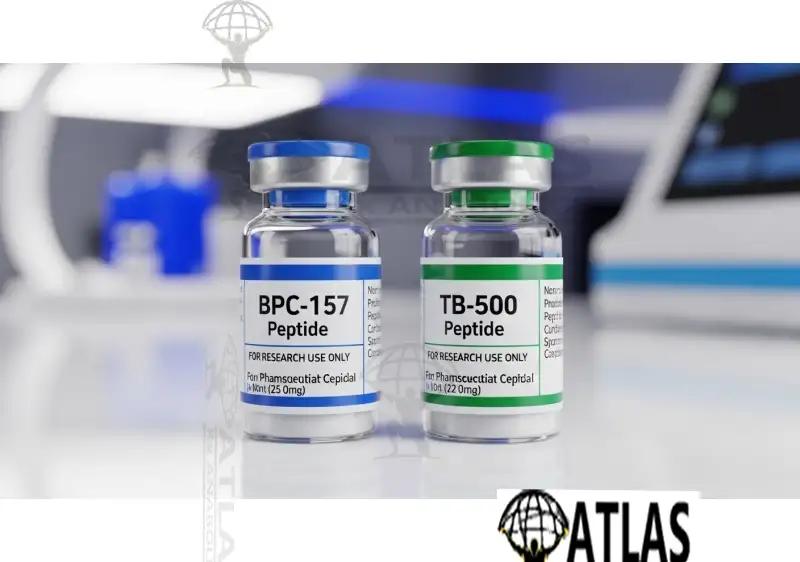
Imagine a stubborn shoulder injury that has sidelined you for months, or a nagging tendonitis that just won't quit no matter how much you rest. For athletes, bodybuilders, and biohackers, the quest for faster, more complete recovery is never ending. Enter the world of healing peptides, where two names dominate the conversation: TB 500 and BPC 157. A tb 500 vs bpc 157 analysis isn't just academic; for many, it's the key to unlocking recovery that traditional methods failed to deliver. This guide dives deep into the science, mechanisms, and real world applications to answer the burning question: which one is right for your specific goal?
Table of Contents
- What Are TB-500 and BPC-157?
- Quick Comparison Summary
- Mechanisms of Action: Systemic vs. Local
- Primary Healing Strengths
- Optimal Use Cases & Protocols
- Risks, Side Effects, and Safety
- Stacking: Can You Take BPC-157 and TB-500 Together?
- The Verdict: Which Is Better?
- Frequently Asked Questions (FAQs)
- Recommended Resources & Next Steps
What Are TB-500 and BPC-157? A Scientific Primer
Before we pit them against each other, let's understand what these compounds are. Both are synthetic peptides, short chains of amino acids that act as signaling molecules in the body, but they originate from very different sources.
TB 500, or Thymosin Beta 4, is a synthetic version of a protein naturally found in high concentrations in blood platelets, wound fluid, and other tissues involved in healing. It was first isolated from the thymus gland, hence the name. Its primary role in the body is to regulate actin, a protein that is fundamental to cell structure, movement, and repair. Research, including studies cited by the National Institutes of Health (NIH), highlights its potent role in promoting cell migration, proliferation, and new blood vessel formation (angiogenesis). This makes it a powerful, broad spectrum healing agent.
BPC 157, which stands for Body Protective Compound 157, is a synthetic peptide derived from a portion of a protein found in human gastric juice. Unlike TB 500, it's not a direct analog of a large human protein but is believed to mimic protective mechanisms in the gut. It has gained fame for its remarkable ability to accelerate the healing of a wide variety of tissues, from tendons and ligaments to the gastrointestinal tract itself, by modulating growth factor expression and blood flow.
Quick Comparison Summary: TB-500 vs BPC-157 at a Glance
| Aspect | TB-500 (Thymosin Beta-4) | BPC-157 |
|---|---|---|
| Primary Origin | Human thymus / platelets | Human gastric juice protein |
| Mechanism | Systemic: Promotes cell migration, angiogenesis, reduces inflammation broadly. | Local & Systemic: Enhances growth factor signaling, improves blood flow, protects/heals gut lining. |
| Best For | tb 500 for ligaments, large muscle tears, joint flexibility, systemic inflammation. | bpc 157 for tendons, gut healing, local injury repair, bone healing. |
| Onset of Action | Slower, builds over weeks; effects persist. | Often faster for local issues (days to weeks). |
| Common Protocol | Higher loading dose, then maintenance; subcutaneous injection anywhere. | Often lower dose, more frequent; can be oral for gut or local injection. |
Mechanisms of Action: The Core of the tb 500 vs bpc 157 Debate
TB-500: The Master Regulator of Cellular Movement
Think of TB 500 as a general contractor orchestrating a major rebuild. Its key action is upregulating cell migration. When you have a deep muscle tear or ligament sprain, TB 500 signals repair cells (like fibroblasts and keratinocytes) to move to the injury site. It also dramatically increases the formation of new blood vessels, ensuring the damaged area is flooded with oxygen and nutrients. Crucially, it modulates key inflammatory cytokines, not by shutting down inflammation entirely, but by helping the process move from the destructive initial phase to the productive repair phase more efficiently. This systemic action means it doesn't necessarily need to be injected at the injury site to work; it works through the bloodstream.
BPC-157: The Targeted Repair and Protection Signal
In contrast, BPC 157 is like a specialized foreman and materials supplier for a specific part of the construction site. It exerts powerful effects by increasing the expression of vascular endothelial growth factor (VEGF), leading to improved blood flow to the precise area where it's needed. It also promotes the formation of granulation tissue (the foundation for new tissue) and accelerates tendon outgrowth, a process notoriously slow in humans. Its unique claim to fame is its profound gastroprotective effect, healing leaky gut and ulcers. While it has systemic effects, its impact is often most pronounced locally, leading many to ask, "Should BPC 157 be injected at the injury site?" for optimal tendon or joint repair.
Primary Healing Strengths: Where Each Peptide Excels
TB-500 Benefits: The Muscle and Mobility Specialist
If your goal is recovering from a widespread or hard to pinpoint injury, TB 500 might be your champion. Its strengths are clear:
- Muscle and Ligament Repair: Excellent for strains, tears, and injuries where tissue elasticity needs to be restored. This is why tb 500 for ligaments is a common search term among athletes with knee or elbow issues.
- Joint Pain and Flexibility: By reducing inflammation in joints and promoting lubrication, it can significantly improve range of motion and decrease chronic joint pain.
- Systemic Anti-Inflammation: Ideal for conditions where inflammation is systemic or the injury site isn't easily targetable with a local injection.
- Angiogenesis: Its ability to build new blood vessels can support recovery in areas with poor circulation.
BPC-157 Benefits: The Tendon and Gut Healing Prodigy
BPC 157 has carved out a legendary status for specific, stubborn issues:
- Tendon and Ligament Healing: Arguably the best in class for tendonitis (Achilles, rotator cuff, tennis elbow). The evidence for bpc 157 for tendons is robust in preclinical models, showing accelerated collagen organization and strength.
- Gastrointestinal Repair: This is its superpower. From ulcers and inflammatory bowel disease to "leaky gut," BPC-157 promotes healing of the entire GI tract. The question "Can BPC 157 heal gut issues?" is met with a resounding yes from anecdotal and research circles.
- Local Wound and Bone Healing: Enhances healing of skin wounds and fractures by significantly boosting the early stages of repair.
- Organ Protection: Shown in studies to have protective effects on the liver, brain, and other organs against various toxins and injuries.
Optimal Use Cases & Protocols: Matching the Peptide to Your Goal
Choosing between tb 500 vs bpc 157 which is better is entirely context dependent. Let's translate the science into practical scenarios.
When to Choose TB-500:
- A major hamstring or quadriceps tear. The systemic action helps rebuild large muscle groups.
- Chronic joint instability or pain in multiple areas (e.g., a shoulder that constantly "pops" and aches).
- General recovery enhancement after major surgery or trauma.
- As part of a systemic anti-aging or performance stack.
When to Choose BPC-157:
- Stubborn tendonitis that hasn't responded to months of rest or rehab. (Is TB 500 or BPC 157 better for a rotator cuff tear? For the tendon component, BPC-157 often takes the lead).
- Any diagnosed gut issue like IBS, Crohn's, or ulcerative colitis, or symptoms of leaky gut (bloating, food sensitivities).
- Localized ligament sprains (like an ankle) where local injection or even topical application is feasible.
- To accelerate healing of a specific surgical incision or bone fracture.
High-Level Protocol Insights
Note: The following are general patterns observed in research contexts. Always consult a healthcare professional.
- TB-500 Protocols: Often involve a "loading phase" of 5-10mg per week (split into 2 doses) for 4-6 weeks, followed by a lower maintenance dose. Its long half-life means frequent injections aren't necessary.
- BPC-157 Protocols: Typically lower per-dose amounts (250-500 mcg) but administered once or twice daily. For gut healing, oral administration is common. For tendons, local subcutaneous injection near the injury is often preferred.
- How long does it take for BPC 157 and TB 500 to work? Subjective improvements can be felt within days, but tangible tissue remodeling takes weeks. A standard cycle is 4-8 weeks.

Risks, Side Effects, and Safety Considerations
No discussion of peptides for injury recovery is complete without a sober look at safety. The landscape is complex because these are research chemicals, not FDA approved drugs for human use.
| Risk Category | Potential Concerns for TB-500 & BPC-157 |
|---|---|
| Physical Side Effects | Generally mild. Can include transient fatigue, lightheadedness, skin redness/itching at injection site. No serious long term side effects have been documented in research, but comprehensive human trials are lacking. |
| Theoretical Risks | As growth promoting agents, there is a theoretical concern about stimulating pre-existing cancerous or benign tumor growth. This is a primary reason for medical consultation. |
| Quality & Purity | The biggest practical risk. The research market is unregulated. Impure or mislabeled products are common. "Where can I buy legitimate TB 500 and BPC 157?" is the most critical question. Source from vendors who provide third party lab verification (COA). |
| Legal Status (USA, 2026) | These peptides are legal to sell for research purposes only. They are not approved for human consumption, diagnosis, or treatment. Possession for personal "research" exists in a legal gray area and enforcement priority is low, but prescribing or selling for human use is illegal. |
Are BPC 157 and TB 500 safe? The existing animal and anecdotal human data suggest a high safety profile for both when pure. However, "safe" is relative and requires professional guidance, screening for contraindications, and sourcing from reputable suppliers.
Stacking Synergy: Can You Take BPC-157 and TB-500 Together?
For complex, severe, or multiple injuries, the idea of tb 500 and bpc 157 together is extremely compelling. Their mechanisms are complementary, not redundant.
- TB-500 provides the broad, systemic signal to mobilize resources, reduce overall inflammation, and build new blood supply.
- BPC-157 then works at the specific injury sites (and the gut) to execute the detailed repair work, enhance growth factor activity, and protect tissues.
This stack is often considered the "ultimate healing protocol" in biohacking circles for major surgeries like ACL reconstruction or for athletes recovering from a season ending injury. If you choose to stack, doses of each are typically reduced from their solo protocols. Monitoring your body's response is crucial.
The Final Verdict: TB 500 vs BPC 157 Which Is Better?
It's time to answer the core question. The winner isn't a peptide; it's the one that matches your objective.
Choose TB-500 (Thymosin Beta 4) if: Your injury is related to large muscle groups, ligaments, or involves widespread joint pain and stiffness. You need a systemic healer for a problem that isn't easily localized. Your primary goal is improving flexibility, reducing deep inflammation, and recovering from a significant soft tissue tear.
Choose BPC-157 if: You are battling chronic tendonitis (Achilles, rotator cuff, elbow), have a diagnosed gut health issue, or are healing a specific, localized injury like a sprain or fracture. You want a targeted repair agent with a strong track record for the most stubborn connective tissue and gastrointestinal problems.
Choose the Stack (TB-500 and BPC-157 together) if: You have a severe, multi tissue injury, are recovering from major surgery, or have tried one with incomplete results and want a comprehensive healing approach. This is the powerhouse combo for the most challenging recovery scenarios.
Important Disclaimer: This article is for informational and research purposes only. It discusses compounds that are not FDA-approved for human consumption or treatment. The content is not medical advice. You must consult a licensed medical professional who is knowledgeable about peptide therapy before considering any use of these research compounds. They can help you assess risks, screen for contraindications, and ensure a safe approach. Do not self-diagnose or self-prescribe.
Frequently Asked Questions (FAQs)
What is the main difference between BPC-157 and TB-500?
The main difference lies in their primary mechanism: TB-500 works systemically to promote cell migration and angiogenesis throughout the body, while BPC-157 has strong localized effects, particularly on tendon repair and gut healing, though it also has systemic benefits.
Which is better for tendon repair: BPC-157 or TB-500?
For pure tendon repair, such as with Achilles tendonitis or rotator cuff issues, BPC-157 is generally considered superior due to its direct upregulation of tendon outgrowth and collagen organization pathways.
Which is better for muscle growth: TB-500 or BPC-157?
Neither is a direct muscle growth (anabolic) agent. However, TB-500 is often preferred for muscle recovery from tears and strains due to its systemic repair actions, which can indirectly support muscle growth by allowing faster return to training.
Is BPC-157 or TB-500 better for joint pain?
For generalized joint pain from inflammation and lack of mobility, TB-500's systemic anti inflammatory and pro angiogenesis effects often provide broader relief. BPC-157 is better if the joint pain is specifically linked to tendon or ligament attachment issues.
What are the side effects of TB-500 and BPC-157?
Reported side effects are typically mild: temporary fatigue, lightheadedness, or injection site reactions. The most significant risk is from impure products. Theoretical risks involve stimulating unwanted cell growth.
Do BPC-157 and TB-500 require a prescription?
In the USA, they are sold as research chemicals, not as prescription medications. However, a doctor can prescribe compounded versions if they deem it medically appropriate, which is the safest legal route for human use.
Does TB-500 promote hair growth?
There is anecdotal evidence that TB-500, due to its role in angiogenesis and cell proliferation, may improve scalp blood flow and potentially support hair growth, but this is not a proven or primary use.
Recommended Resources & Next Steps
Your journey with healing peptides should be built on knowledge and caution. We recommend diving deeper into the scientific literature on PubMed, connecting with knowledgeable medical professionals specializing in sports medicine or regenerative medicine, and engaging with dedicated research communities for anecdotal reports.
If you are looking for high purity research materials, it is critical to select a source that provides independent, third party lab Certificates of Analysis (COAs) for every batch. For example, researchers can explore options like BPC 157 – 5MG VIAL – GENLABS or TB 500 10MG VIAL WITH BACTERIOSTATIC WATER to ensure product integrity for their studies. Always verify the latest COAs directly with the supplier.
Ready to Deepen Your Research?
Understanding tb 500 vs bpc 157 is the first step. Sourcing uncompromised quality for your research is the next. Explore our curated selection of research peptides, all backed by transparent lab testing, to ensure the accuracy and reliability of your work.
For research use only. Not for human consumption.

Shipping Cost
On all orders is set at $25.00

Secure checkout
Protected by Bitcoin

Offer & gift here
On all huge orders
Be the first to comment