
The 2026 Definitive Guide: How to Buy Peptides Online Safely
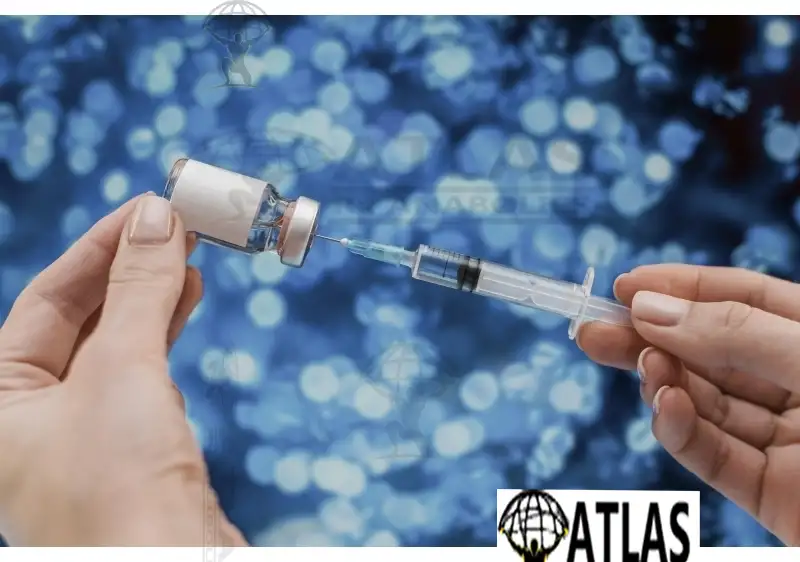
In 2026, the online peptide market is more accessible and fraught with more risk than ever. A reputable peptide companies study by independent analysts suggests that nearly 40% of products sold by unverified vendors are either under-dosed, contaminated, or mislabeled entirely. This guide is your comprehensive map through that wilderness. We will provide you with the actionable framework, critical knowledge, and tools necessary to minimize risk. Our central focus is Safe Procurement. Every step, from verification to legal understanding, ties back to this core principle. Whether you are a biohacker seeking recovery, a researcher sourcing compounds, or a cautious newcomer, this is your blueprint for navigating the complex landscape of where to buy peptides with confidence.
Table of Contents
- Understanding the Peptide Procurement Landscape
- Navigating the Legal and Regulatory Framework
- The Art and Science of Vetting a Peptide Supplier
- Decoding Quality: Purity, Testing, and Certificates of Analysis
- Secure Transaction and Safe Logistics
- From Delivery to Use: Post-Purchase Protocols
- Frequently Asked Questions (FAQ)
- Final Thoughts and Responsible Next Steps
| Pillar | Key Action | Why It Matters |
|---|---|---|
| Legal Awareness | Understand "Not for Human Consumption" labels & local laws. | Prevents legal jeopardy and ensures you are buying for appropriate research purposes. |
| Supplier Vetting | Demand transparent, third-party CoAs and verify batch numbers. | Your primary defense against scams and impure products. |
| Payment & Shipping | Use secure methods (credit card) and understand cold-chain requirements. | Protects your financial data and ensures product potency upon arrival. |
| Independent Verification | Consider sending a sample for your own peptide purity testing. | The ultimate step in peptide quality assurance for critical research. |
Understanding the Peptide Procurement Landscape
The first step in a safe journey is to understand the terrain. The online peptide market is not monolithic. It is segmented into distinct channels, each with its own protocols, risks, and intended audiences.
Research Peptides vs. Pharmaceutical Grade: A Critical Distinction
This is the most crucial conceptual boundary. Pharmaceutical-grade peptides are produced in FDA (or equivalent agency) approved facilities, intended for human use, and available only by prescription. They undergo rigorous Good Manufacturing Practice (GMP) standards. Research peptides, on the other hand, are sold for in-vitro (test tube) or animal studies in a laboratory setting. They are typically lyophilized (powder) form, sold with the explicit label "Not for Human Consumption." This is not merely a suggestion; it is a legal and liability distinction that defines the entire gray market. When you look for where to buy peptides, you are almost certainly navigating the world of buy research peptides suppliers.
The Cast of Characters: Who is Buying Peptides and Why?
Your motivation shapes your risk profile and due diligence needs.
- Biohackers & Fitness Enthusiasts: This group seeks peptides like BPC-157 for tendon repair, TB-500 for systemic recovery, or CJC-1295 and Ipamorelin for growth hormone support. Their need for safety is personal and profound.
- Researchers & Academics: Legitimate scientists sourcing for controlled studies. Their institutional requirements often mandate extensive peptide quality assurance documentation.
- Cautious Newcomers: Intrigued by potential benefits but rightfully wary of market dangers. This guide is especially for you.
- General Consumers: Those exploring peptide-based cosmetics or via telehealth platforms. They often encounter a more consumer-facing, but still complex, side of the market.
Navigating the Legal and Regulatory Framework
Ignorance of the law is not a defense. The legal status of peptides is a complex patchwork that varies dramatically by country and even by state.
The "Not for Human Consumption" Shield
You will see this phrase on every legitimate research peptide website. It exists in a regulatory gray area. By marketing the product solely for non-human research, suppliers attempt to avoid classification as an unapproved new drug or dietary supplement. For the buyer, it underscores that you are purchasing a research chemical, not a medicine. Any decision to deviate from that stated purpose carries personal liability.
Is it Legal to Buy Peptides Online for Personal Use?
This is the central question. In the United States, the answer is nuanced. According to the FDA's stance on unapproved new drugs, it is illegal to market peptides for human use without approval. However, personal importation for "research" exists in an enforcement gray zone. The DEA may classify certain peptides as controlled substances if they have a high potential for abuse. A 2023 update to the Controlled Substances Act highlighted this evolving landscape. The safest legal position for an individual is to operate within the "research chemical" paradigm. You are not buying a "product for consumption," you are acquiring a chemical for in vitro study. This semantic distinction is the bedrock of the market's legality.
| Risk Category | Specific Examples | Potential Consequence |
|---|---|---|
| Product Purity & Safety | Contamination with heavy metals, bacteria, or other peptides; under-dosing; mislabeled compounds. | Ineffective research, toxic reactions, health hazards if used inappropriately. |
| Financial Scams | Fake websites, "exit scams" where a formerly good vendor takes money and disappears, counterfeit products. | Complete loss of funds, receiving dangerous or fake substances. |
| Legal & Regulatory | Seizure of shipments by customs, legal penalties for importing controlled substances. | Loss of product, fines, legal proceedings. |
| Privacy & Data Security | Unsecured websites leaking credit card and personal address information. | Identity theft, financial fraud, privacy breach. |
The Art and Science of Vetting a Peptide Supplier
This is where Safe Procurement moves from theory to practice. Your choice of vendor is your most critical decision.
Transparency as the Ultimate Currency
A reputable peptide companies operates with radical transparency. Look for the following:
- Clear Company Information: Physical address (not just a P.O. box), phone number, and "About Us" history.
- Detailed Product Specifications: Exact amino acid sequence, molecular weight, purity level, and lyophilized (powder) mass clearly listed.
- Accessible Certificates of Analysis (CoA): This is non-negotiable. More on this below.
Red Flags: How to Spot a Peptide Scam from a Mile Away
Learning avoiding peptide scams is about pattern recognition. Here are glaring warnings:
- Prices that are too good to be true. High-quality synthesis and testing are expensive. Rock-bottom prices almost always mean cut corners or fake products.
- Pressure tactics like "limited time offers" or countdown timers.
- No independent CoA, or a CoA that is from the company itself ("in-house testing").
- Payment methods limited to irreversible options like cryptocurrency, wire transfers, or money orders, especially for new customers. This is a classic scam tactic.
- Spelling and grammatical errors across the website, indicating a hastily created "fly-by-night" operation.
- Emails from "spoofed" addresses pretending to be from well-known companies. Always navigate directly to the company's official website yourself..
Decoding Quality: Purity, Testing, and Certificates of Analysis
This is the technical heart of how to choose a peptide supplier. You must become literate in the language of quality control.
The Certificate of Analysis (CoA): Your Quality Bible
A trustworthy CoA is a document from an independent, accredited laboratory (like Janoshik, MZ Biolabs, or others) that verifies the contents of a specific batch of peptide. It must include:
- Vendor and Product Name: Matching what you ordered.
- Unique Batch/Lot Number: This number should be on the vial you receive, allowing you to match it to the CoA.
- Date of Analysis: Relatively recent (typically within the last 1-2 years).
- Purity Percentage: Measured by High-Performance Liquid Chromatography (HPLC). Aim for ≥98% purity for most research applications.
- Mass Spectrometry Data: Confirms the correct molecular weight and amino acid sequence.
- Contaminant Testing: Results for endotoxins, heavy metals, and residual solvents.
- Laboratory Name and Signature: Clearly showing it is a third-party, not the vendor.
A vendor that makes these CoAs easily searchable by batch number on their website is demonstrating best practices in peptide quality assurance.
The Critical Role of Third-Party Testing
How important is third-party testing for peptide quality? It is everything. In-house testing is conflicted and lacks credibility. Third-party testing provides an unbiased, scientific assessment. Some advanced researchers will even engage in "peptide purity testing" themselves, sending a sample from a purchased vial to a lab for verification. This is the gold standard for confirming a vendor's claims and is the ultimate step in a robust Safe Procurement protocol.
Secure Transaction and Safe Logistics
You have found a transparent vendor with excellent CoAs. Now, you must complete the transaction and get the product safely to your door.
Choosing the Safest Payment Methods
What payment methods are safest when buying peptides online? The answer balances security with vendor policies. Credit cards (especially through secured gateways like Stripe) offer the best consumer protection, allowing chargebacks in cases of fraud or non-delivery. Some reputable peptide companies may only offer this to established customers. Cryptocurrency offers privacy but is irreversible. Never use irreversible methods like wire transfers or money orders with an unknown vendor. The presence of multiple secure payment options is a positive sign.
Shipping, Customs, and Cold Chain Integrity
How should peptides be shipped and stored to maintain potency? Peptides are delicate molecules. Lyophilized (powder) peptides should be shipped with ice packs in insulated containers if ambient temperatures are high. Upon receipt, they must be stored immediately in a freezer (typically -20°C) until reconstitution. Reconstituted peptides (mixed with bacteriostatic water) are even more fragile and typically require refrigeration and use within a short timeframe.
Are there reputable peptide companies that offer domestic (e.g., US, UK, EU) shipping? Yes. Domestic shipping from within your country or economic bloc (like the EU) dramatically reduces the risks of buying peptides from overseas suppliers, primarily customs scrutiny and extended transit times without temperature control. While often more expensive, it is a significant risk-mitigation step.
From Delivery to Use: Post-Purchase Protocols
Safe Procurement does not end when the package arrives. It extends to how you handle, store, and ultimately utilize the product for research.
Verification Upon Receipt
Immediately check the vial labels against your order. Crucially, match the batch number on the vial to the Certificate of Analysis provided by the vendor. Inspect the vial: the lyophilized (powder) should be a fine cake at the bottom, not a melted or discolored substance. Note the condition of the shipping container and temperature packs.
Proper Storage and Handling
Store lyophilized peptides in a dedicated freezer. Keep a log. When ready for research reconstitution, use sterile technique and appropriate solvent, almost always bacteriostatic water for peptides. This water contains an agent to inhibit bacterial growth. Once reconstituted, follow strict storage guidelines (refrigeration) and use within the documented stability window.
Frequently Asked Questions (FAQ)
Is it legal to buy peptides online for personal use?
In the US and many countries, peptides sold for "research purposes only" (not for human consumption) inhabit a legal gray area. Purchasing them is generally not illegal, but administering them for personal use may violate laws against unapproved drugs. Always consult an attorney for specific legal advice.
What is the difference between research peptides and pharmaceutical-grade peptides?
Pharmaceutical-grade peptides are produced under strict regulatory oversight (GMP) for human medicinal use, requiring a prescription. Research peptides are synthesized for laboratory study, are not held to medicinal standards, and are labeled "Not for Human Consumption."
How can I verify the purity of a peptide before buying?
You verify purity by reviewing the third-party Certificate of Analysis (CoA) for the specific batch you intend to buy. Look for HPLC purity ≥98% and confirm the batch number matches the product listed.
What should a Certificate of Analysis (CoA) include to be trustworthy?
A trustworthy CoA must include: product name, batch number, date, purity percentage via HPLC, mass spectrometry confirmation, contaminant test results, and be from an independent, named laboratory.
Are there any red flags to look for on a peptide vendor's website?
Major red flags include: no physical address, only irreversible payment methods, prices drastically lower than competitors, lack of third-party CoAs, poor grammar/spelling, and excessive "hard sell" marketing.
What does "not for human consumption" mean on peptide websites?
It is a legal designation stating the product is sold solely for laboratory research purposes, not as a food, drug, or supplement. It defines the terms of the sale and limits vendor liability.
How should peptides be shipped and stored to maintain potency?
Lyophilized peptides should be shipped with cold packs and stored at -20°C. Reconstituted peptides must be refrigerated and used within their stability period after mixing with bacteriostatic water.
What are the most common peptide scams to avoid?
Common scams include fake websites mimicking real vendors, selling counterfeit or under-dosed products, "exit scams" where a vendor takes money and vanishes, and phishing emails with fraudulent links.
Can I trust peptide reviews and testimonials online?
Be highly skeptical. Many reviews on forums or vendor sites are fabricated. Seek out long-term, detailed community discussions on trusted platforms where patterns of feedback emerge over years.
Do I need a prescription to buy peptides online?
You need a prescription to buy *pharmaceutical-grade* peptides intended for human treatment. You do not need a prescription to purchase *research peptides* for laboratory study from suppliers in the gray market.
What's the difference between lyophilized (powder) and reconstituted peptides?
Lyophilized peptides are freeze-dried powder, stable for years when frozen. Reconstituted peptides are the powder mixed with a solvent (like bacteriostatic water), creating a solution that is fragile and has a short shelf life (weeks).
How important is third-party testing for peptide quality?
It is paramount. Third-party testing is the only objective verification of purity, sequence, and contamination. In-house testing lacks credibility and is a significant red flag.
What payment methods are safest when buying peptides online?
Credit cards offer the best fraud protection. Cryptocurrency is private but irreversible. Avoid wire transfers and money orders with unknown vendors as they carry high risk.
Are there reputable peptide companies that offer domestic shipping?
Yes, many established vendors operate warehouses within the US, UK, and EU, offering domestic shipping which reduces customs risk and ensures faster, temperature-controlled delivery.
What are the risks of buying peptides from overseas suppliers?
Risks include customs seizure, lack of regulatory oversight, extended transit times harming product stability, difficulty resolving disputes, and potential legal issues with importation.
Final Thoughts and Responsible Next Steps
Learning how to buy peptides online safely is an exercise in diligent, skeptical, and informed consumerism. The path of Safe Procurement is built on the pillars of legal awareness, ruthless supplier vetting, scientific verification of quality, and secure transactional hygiene. The market rewards the cautious and punishes the impulsive.
Your journey should now move from research to action. Begin by auditing potential vendors against the checklist provided here. Prioritize those who champion transparency and independent verification. Engage with the research community cautiously, valuing long-term reputation over flashy testimonials.
For those in the research community requiring precise materials, exploring a vendor with a demonstrated commitment to quality control is a logical step. You can explore a selection of research compounds, including peptides, at our Peptides GenLabs section. Remember, all products are intended for laboratory research purposes only.
Before making any decisions for your research, ensure you have the proper laboratory equipment, including sterile bacteriostatic water for reconstitution studies.
Disclaimer: This article is for informational and educational purposes only. The content describes research chemicals intended solely for in-vitro laboratory study by qualified professionals. It does not constitute medical advice. Consult a licensed medical professional before starting or stopping any medication, therapy, or lifestyle modification. The purchase, possession, and use of peptides may be subject to local, state, and federal laws. The reader is solely responsible for complying with all applicable laws and regulations.

Shipping Cost
On all orders is set at $25.00

Secure checkout
Protected by Bitcoin

Offer & gift here
On all huge orders
Be the first to comment