
-
No review yet
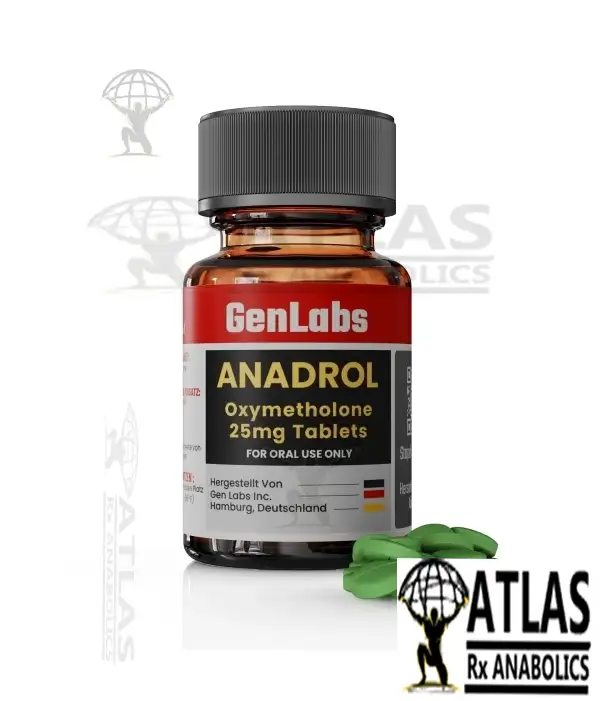
ANADROL 25 OXYMETHOLONE – 25MG PER TAB
Description for ANADROL 25 OXYMETHOLONE – 25MG PER TAB
Introduction: A Potent Therapeutic Agent from GenLabs
GenLabs Pharmaceuticals presents ANADROL 25, a high-dose formulation of the potent synthetic anabolic-androgenic steroid (AAS) Oxymetholone. Each tablet is precisely dosed at 25mg of pharmaceutical-grade Oxymetholone, packaged in a substantial clinical quantity of 200 tablets. This product is manufactured under strict cGMP (current Good Manufacturing Practice) standards, ensuring consistent potency, purity, and accurate dosage for therapeutic applications where indicated. Oxymetholone, the active compound in ANADROL 25, possesses a unique pharmacological profile, characterized by significant anabolic (tissue-building) and marked erythropoietic (red blood cell-stimulating) properties. It is recognized in clinical endocrinology and hematology as one of the most powerful oral anabolic agents available for medical use.
Primary Clinical Indications and Therapeutic Rationale
ANADROL 25 is not a general supplement; it is a serious medication for specific pathologies. Its primary and most critical use in modern medicine is as a second-line treatment for certain types of anemia that are refractory to other therapies.
-
Anemia Associated with Bone Marrow Failure: Its most significant application is in the management of aplastic anemia (a condition where the bone marrow fails to produce sufficient blood cells). In cases where patients are not immediate candidates for bone marrow transplantation, Oxymetholone can serve as a hematinic agent to stimulate the bone marrow. It is particularly noted for its ability to increase the production of red blood cells (RBCs), thereby reducing dependency on frequent blood transfusions and improving quality of life.
-
Constitutional Aplastic Anemia (Fanconi's Anemia): It has a documented history of use in this specific genetic form of aplastic anemia.
-
Anemia in Myelodysplastic Syndromes (MDS): May be used cautiously in some MDS cases to alleviate anemic symptoms.
-
Other Catabolic States (Historical/Contextual): In past decades, it was used more broadly for weight gain in catabolic conditions like severe burns, chronic infections, and certain cancers. However, due to its potent side-effect profile, its use for these purposes has been largely superseded by safer, more targeted therapies in most clinical settings.
Crucially, ANADROL 25 is NOT indicated for:
-
Enhancement of athletic performance or physique.
-
Treatment of anemia due to iron, B12, or folate deficiency (it will not help and may mask underlying issues).
-
Use as a general "strength" or "mass-building" supplement.
Pharmacological Profile and Mechanism of Action
Chemical Structure: Oxymetholone is a 17α-alkylated dihydrotestosterone (DHT) derivative. This structural modification (alkylation at the 17th carbon) allows the molecule to survive first-pass metabolism in the liver, granting it high oral bioavailability. This same feature is also primarily responsible for its significant hepatotoxicity potential.
Mechanism of Action:
-
Androgen Receptor (AR) Agonism: Like all AAS, Oxymetholone binds to and activates intracellular androgen receptors. This complex then translocates to the cell nucleus, influencing gene transcription to promote nitrogen retention, protein synthesis, and inhibition of protein catabolism.
-
Erythropoiesis Stimulation: A key feature of Oxymetholone is its potent stimulation of erythropoietin (EPO) production, likely via both direct renal effects and possibly enhanced sensitivity of bone marrow erythroid progenitor cells to endogenous EPO. This leads to a marked increase in red blood cell count and hemoglobin levels.
-
Anabolic vs. Androgenic Ratio: While all AAS possess both properties, Oxymetholone is clinically observed to have a pronounced anabolic effect relative to its androgenic effects (such as virilization) when used at therapeutic doses for anemia. This does not eliminate androgenic side effects but highlights its tissue-building and RBC-stimulating potency.
Pharmacokinetics:
-
Absorption: Well absorbed from the gastrointestinal tract due to its 17α-alkylated structure.
-
Metabolism: Extensively metabolized in the liver by various cytochrome P450 enzymes.
-
Half-life & Excretion: The half-life is estimated between 9-16 hours, supporting a typical clinical dosing regimen of 1-5 mg per kilogram of body weight per day, often divided into multiple doses. It is excreted primarily in the urine as metabolites.
Dosage, Administration, and Important Considerations
-
Standard Medical Dosage: For adults with aplastic anemia, the typical starting dose ranges from 1 to 5 mg per kilogram of body weight per day. The 25mg tablet strength allows for flexible and precise titration by a physician. Treatment is often administered chronically over several months, with regular monitoring for efficacy and toxicity.
-
Administration: Tablets should be taken with food to potentially minimize gastric upset. Compliance with the prescribed split-dosing schedule is essential for stable blood levels.
-
Monitoring is Paramount: Any legitimate therapeutic use of ANADROL 25 mandates rigorous medical supervision, including:
-
Weekly to Monthly Blood Tests: Complete Blood Count (CBC) to monitor hematocrit/hemoglobin (risk of polycythemia), liver function tests (LFTs: AST, ALT, Bilirubin, Alkaline Phosphatase), and lipid profiles (cholesterol/triglycerides).
-
Clinical Evaluation: Regular check-ups for blood pressure, signs of fluid retention, virilization in women, prostatic hypertrophy in men, and mental health status.
-
Contraindications and Serious Health Warnings
ANADROL 25 is absolutely contraindicated in patients with:
-
Known hypersensitivity to Oxymetholone.
-
Men with carcinoma of the prostate or breast.
-
Women with carcinoma of the breast (unless treating progressive disease after menopause).
-
Pregnancy and Nursing Mothers: Can cause severe fetal virilization.
-
Serious pre-existing liver disease (e.g., cirrhosis, hepatitis) or impaired liver function.
-
Hypercalcemia (in patients with breast cancer).
-
Severe cardiac, renal, or hepatic dysfunction.
-
Nephrosis or the nephrotic phase of nephritis.
Comprehensive Side Effect Profile
Due to its potency, the side effects of Oxymetholone can be severe and must be thoroughly understood:
-
Hepatotoxicity: This is the most significant risk with 17α-alkylated oral AAS. Effects range from reversible hepatic transaminase elevations and cholestatic jaundice to rare but life-threatening peliosis hepatis (blood-filled cysts in the liver), hepatic tumors, and hepatic failure.
-
Cardiovascular: Hypertension, edema (due to water and sodium retention), and detrimental shifts in lipid profile (decreased HDL, increased LDL cholesterol), increasing long-term atherosclerosis risk.
-
Hematologic: Polycythemia (excess RBCs), increasing the risk of thrombosis, stroke, and myocardial infarction.
-
Endocrine & Reproductive:
-
In Men: Testicular atrophy, oligospermia/azoospermia (infertility), gynecomastia (breast tissue development), impotence, and priapism.
-
In Women: Virilization is common and often irreversible: deepening of the voice, clitoral enlargement, hirsutism (excessive body/facial hair), menstrual irregularities, and male-pattern baldness.
-
-
Other: Acne, premature epiphyseal closure in adolescents, insomnia, aggression, depression, and prostate hypertrophy.
Conclusion: A Specialized Tool for Specific Clinical Challenges
GenLabs' ANADROL 25 (Oxymetholone 25mg) represents a specialized, high-potency pharmaceutical agent with a defined and narrow role in clinical medicine. Its profound ability to stimulate red blood cell production and promote anabolism makes it a valuable, though high-risk, option for managing severe, refractory anemias due to bone marrow failure. The 200-tablet presentation is designed for sustained clinical treatment protocols under continuous medical oversight.
The cornerstone of its use is the fundamental principle of medical ethics: a careful risk-benefit analysis conducted by a specialist physician, paired with relentless patient monitoring. This description underscores that ANADROL 25 is a powerful medication with a formidable side-effect profile, strictly reserved for legitimate therapeutic contexts defined by law and medical practice. GenLabs provides this compound to meet specific clinical needs, emphasizing that patient safety and informed, supervised use are the absolute priorities.
Based on 0 review(s)
Related Products.
- - 6%
- - 5%
- - 5%
- - 7%
- - 4%
- - 10%

Shipping Cost
On all orders is set at $25.00

Secure checkout
Protected by Bitcoin

Offer & gift here
On all huge orders