
Testosterone Enanthate vs Cypionate: The Ultimate Comparison for TRT and Performance
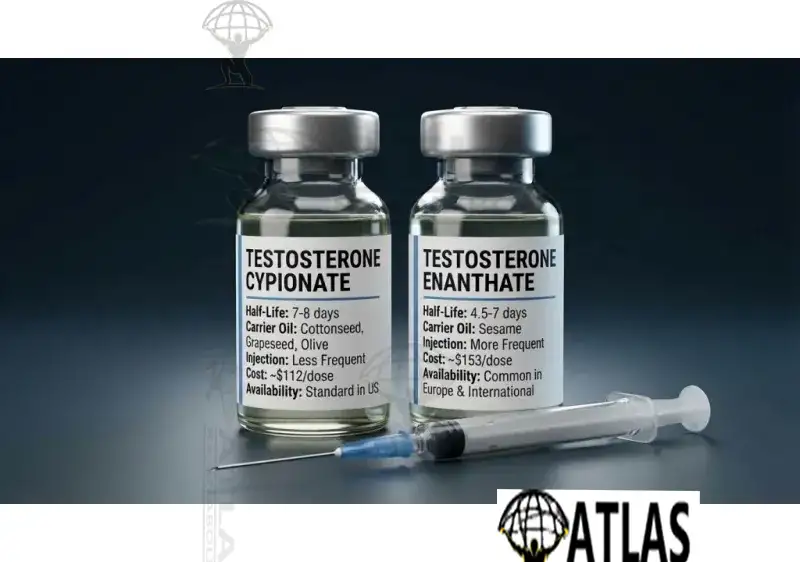
If you've entered the world of testosterone replacement therapy (TRT) or performance enhancement, you've likely encountered a pivotal question: testosterone enanthate vs cypionate, which one is truly better? This debate is as old as the esters themselves, whispered in gym locker rooms and debated in online forums. The truth, backed by pharmacology and a mountain of user experience, is that these two giants are far more similar than they are different. However, subtle distinctions in their chemical structure, half-life, and global availability can influence your choice. This comprehensive guide will dissect every facet of the testosterone enanthate vs cypionate debate, empowering you to make an informed decision alongside your healthcare provider.
Table of Contents
- Introduction: The Twin Titans of Testosterone
- Quick Summary: Enanthate vs Cypionate at a Glance
- The Science of Esters: What Are You Actually Injecting?
- Head-to-Head Comparison: Breaking Down the Differences
- TRT vs. Bodybuilding: Does the Goal Change the Choice?
- Practical Considerations: Cost, Pain, and Availability
- Risks and Side Effects: A Unified Profile
- Making Your Choice: A Step-by-Step Guide
- Monitoring and When to Consult a Professional
- Frequently Asked Questions (FAQ)
- Conclusion and Recommended Resources
Introduction: The Twin Titans of Testosterone
In the United States, testosterone cypionate and testosterone enanthate are the undisputed workhorses of prescribed TRT and are equally revered in athletic circles. A 2023 analysis of prescription trends indicated that cypionate holds a slight edge in US prescriptions, largely due to historical manufacturing and licensing decisions. However, enanthate is the global standard, preferred throughout Europe, Asia, and South America. Both are designed to solve the same problem: delivering the active hormone, testosterone, into your bloodstream over an extended period. The magic, and the source of all comparison, lies in the tiny molecular chain attached to it called an ester. Understanding this is key to navigating the testosterone enanthate vs cypionate discussion.
Quick Summary: Enanthate vs Cypionate at a Glance
| Feature | Testosterone Enanthate | Testosterone Cypionate |
|---|---|---|
| Chemical Formula | C26H40O3 | C27H40O3 |
| Ester Weight | Heavier (~28%) | Slightly Heavier (~30%) |
| Active Testosterone | ~72 mg per 100 mg vial | ~70 mg per 100 mg vial |
| Half-Life (Approx.) | 4.5 days (108 hours) | 5 days (120 hours) |
| Typical Injection Frequency | Every 3.5-7 days (TRT) | Every 3.5-7 days (TRT) |
| Common Carrier Oil | Sesame Oil, Cottonseed Oil | Cottonseed Oil (US) |
| US Prescription Prevalence | Common | Most Common |
| Global Availability | Extremely High | High (Primarily US, Canada) |
The Science of Esters: What Are You Actually Injecting?
Raw testosterone, if injected alone, would be absorbed and cleared from the body in a matter of hours. To create a viable, long-acting medication, chemists attach an ester a chain of carbon and hydrogen atoms to the testosterone molecule. This ester acts like a timed-release capsule. Once injected, the ester is slowly cleaved (removed) by enzymes in the bloodstream, releasing free, active testosterone. The longer the ester chain, the more slowly it is released.
Testosterone enanthate uses an enanthate ester, a 7-carbon chain. Testosterone cypionate uses a cypionate (cyclopentylpropionate) ester, which is also an 8-carbon chain but arranged in a ring-like (cyclic) structure. This slight structural difference is the root of all the comparisons. Because the cypionate ester is marginally heavier, a 100 mg dose provides about 2 mg less actual testosterone than a 100 mg dose of enanthate. In practice, this difference is clinically insignificant you would never notice it.
Why Ester Weight and Half-Life Matter
The concept of ester weight is crucial for precise dosing in TRT medication options. If you are prescribed 100 mg of testosterone per week, you are being prescribed 100 mg of the esterified compound. The actual testosterone your body uses is less. For testosterone enanthate, it's about 72 mg. For testosterone cypionate, it's about 70 mg. This is why switching between esters sometimes requires a slight dosage adjustment under medical supervision.
The testosterone half-life is the time it takes for half of the drug to be eliminated from your body. Testosterone cypionate has a published half-life of about 5 days (120 hours), while testosterone enanthate is about 4.5 days (108 hours). This 12-hour difference is the most cited distinction in the testosterone cypionate vs enanthate debate. In reality, this small variance has minimal impact on stable blood levels when using modern, frequent injection protocols (e.g., twice weekly). For those injecting once weekly, cypionate might theoretically offer slightly more stable trough levels, but individual metabolism plays a far greater role.
Head-to-Head Comparison: Breaking Down the Differences
Half-Life and Injection Frequency
Which one has a longer half-life, cypionate or enanthate? As noted, cypionate holds a slight edge, with a half-life of approximately 5 days versus 4.5 days for enanthate.
Are testosterone enanthate and cypionate injection frequencies different? In standard clinical and performance practice, no. Both are typically injected every 3.5 days (twice weekly) for TRT to maintain stable levels and minimize estrogenic side effects. Bodybuilders using higher doses may also adhere to this schedule or inject every other day. The tiny half-life difference does not mandate a different schedule. The choice of injection frequency is more about managing estrogen and mood stability than the ester itself.
Efficacy for Muscle Growth and Performance
Is testosterone cypionate or enanthate better for muscle growth? This is the million-dollar question for athletes. Pharmacologically, there is zero evidence that one ester promotes more muscle protein synthesis than the other. Once the ester is cleaved off, your body receives identical testosterone molecules. The perceived differences in results often stem from ancillary factors:
- Water Retention: Which ester causes more water retention, enanthate or cypionate? Anecdotally, some users report slightly more bloat or water retention with cypionate, possibly due to the carrier oil (cottonseed oil in the US) or individual response. However, this is not a pharmacological certainty. Water retention is primarily a function of dosage (higher doses convert more to estrogen), genetics, and diet, not the ester.
- Dosing Accuracy: Due to the minute difference in ester weight, a user switching from enanthate to cypionate at the same milligram dose is receiving a negligibly smaller amount of actual testosterone, which could theoretically influence perceived results if not adjusted.
For enanthate vs cypionate for bodybuilding, the consensus is that they are interchangeable. The choice often comes down to availability, cost, and personal tolerance of the carrier oil.
Prescription Trends and Availability
Which is more commonly prescribed for TRT, cypionate or enanthate? In the United States, cypionate has traditionally been the default, largely due to the branding and distribution history of companies like Pfizer (Depo-Testosterone). However, enanthate is equally FDA-approved and widely prescribed. Shortages of one often lead to a switch to the other. Globally, testosterone enanthate is the dominant form.
Which one is more readily available worldwide? Enanthate. It is the international standard, manufactured by countless pharmaceutical companies across continents. If you travel or relocate, finding testosterone enanthate is typically easier.
TRT vs. Bodybuilding: Does the Goal Change the Choice?
The primary goals differ: TRT seeks physiological balance and symptom relief, while bodybuilding seeks supraphysiological levels for maximal anabolism. Does this change the testosterone esters comparison?
For TRT (Stability is King): The ideal ester provides stable blood levels to mimic natural production, minimizing peaks (which can aromatize to estrogen) and troughs (which can cause low-energy crashes). For hormone replacement therapy, which provides more stable blood levels? With their nearly identical half-lives, both can provide excellent stability with frequent injections (twice weekly). Some clinicians argue cypionate's slightly longer half-life makes it marginally better for once-weekly protocols, but the best practice for stability is frequent dosing regardless of ester.
For Bodybuilding (Volume and Cost Matter): Bodybuilders often use doses of 300-1000 mg per week. At this scale, practical concerns dominate. Is there a difference in cost between testosterone cypionate and enanthate? Often, yes. Due to market competition and manufacturing scale, testosterone enanthate can be less expensive, especially in the underground or international market. This makes it a cost-effective choice for high-dose cycles. Additionally, the carrier oil can become a concern with large injection volumes some find sesame oil (common in enanthate) smoother than cottonseed oil (common in cypionate).
Which testosterone ester is better for beginners? For a first cycle, they are equally suitable. The most important factor is securing a legitimate product and starting with a sensible dose. Their similar profiles make either a fine choice for a first foray into anabolics.
Practical Considerations: Cost, Pain, and Availability
Cost Analysis
In the US, with insurance, the copay for either is usually similar and low. For cash-paying patients or those purchasing for performance use, testosterone enanthate often has a lower price point per milligram due to its global production scale. Always factor in the cost of ancillary supplies (syringes, alcohol wipes) and potential post-cycle therapy (PCT) medications.
Injection Experience and Pain
Is one less painful to inject than the other? Pain is rarely from the ester or hormone itself. It's primarily caused by:
- Carrier Oil: How do the carrier oils differ between enanthate and cypionate? In the US, cypionate is almost exclusively in cottonseed oil. Enanthate can be found in sesame, cottonseed, or castor oil. Some individuals report more post-injection pain (PIP) with cottonseed oil, while others tolerate it fine. Sesame oil is often described as "smoother." European enanthate in castor oil is very thick and may require a larger gauge needle.
- Benzyl Alcohol Content: This is a preservative. Higher concentrations can cause a stinging sensation.
- Injection Technique: This is the biggest variable. A slow, steady injection into a properly selected muscle with a warm vial of oil reduces pain dramatically.
Switching Between Esters
Can I switch from testosterone cypionate to enanthate without issues? Yes, you can. It is a straightforward process. Because of the slight difference in active testosterone per mg, a direct milligram-to-milligram swap is generally acceptable, but the most prudent approach is to have your doctor monitor your blood levels 4-6 weeks after the switch to ensure your dosage remains optimal. There is no "transition period" needed your body will simply start cleaving the new ester.
Risks and Side Effects: A Unified Profile
Do enanthate and cypionate have different side effect profiles? No. The side effects are caused by the testosterone itself and its conversion to other hormones (estradiol, DHT), not the ester. Any perceived difference is anecdotal and likely related to individual response, dosage, or the carrier oil. The side effect profile is unified and must be managed regardless of your choice.
| Risk Category | Potential Side Effects | Management Strategies |
|---|---|---|
| Estrogenic | Water retention, gynecomastia (breast tissue growth), high blood pressure, mood swings. | Frequent injections to lower peak levels, use of aromatase inhibitors (AIs) like Arimidex or Aromasin, maintaining a healthy body fat percentage. |
| Androgenic | Acne, accelerated hair loss (if genetically prone), increased body hair, prostate enlargement. | Dosage control, use of DHT blockers like finasteride (with caution), skincare routines. |
| Cardiovascular | Increased red blood cell count (hematocrit), altered lipid profiles (lower HDL, higher LDL). | Regular blood donation, cardiovascular exercise, diet rich in omega-3s, regular blood work. |
| Suppressive | Shutdown of natural testosterone production, testicular atrophy. | For cycles, a proper PCT plan with SERMs like Clomid or Nolvadex is essential. For TRT, this is an expected outcome. |
| Injection-Related | Pain, infection, scar tissue formation, allergic reaction to carrier oil. | Sterile technique, rotating injection sites, using appropriate needle size, warming the oil. |
It is critical to understand that in the United States, these compounds are Schedule III controlled substances when possessed without a valid prescription. Legal acquisition requires a diagnosis and prescription from a licensed medical professional.
Disclaimer: This article is for informational purposes only. It does not constitute medical advice. The use of anabolic steroids and testosterone replacement therapy carries significant health risks and should only be undertaken under the direct supervision and monitoring of a licensed medical professional. Consult a licensed medical professional before starting or stopping any medication, therapy, or modification.
Making Your Choice: A Step-by-Step Guide
- Define Your Primary Goal: Is it symptomatic relief and physiological balance (TRT), or maximal muscle growth (performance)?
- Consult a Healthcare Provider: For TRT, this is non-negotiable. Get comprehensive blood work and a diagnosis. Discuss both testosterone cypionate and enanthate as TRT medication options.
- Consider Logistics:
- Insurance/Cost: Which one does your insurance formulary prefer? What is the cash price?
- Availability: Is there a current shortage at your pharmacy? Which is easier to source reliably?
- Carrier Oil Tolerance: If you have known allergies (e.g., to sesame or cottonseed), this may decide for you.
- Start and Monitor: Begin with the standard protocol. Adhere to your injection schedule religiously.
- Get Follow-Up Blood Work: Typically 6-8 weeks after starting or changing a protocol. Check total T, free T, estradiol, hematocrit, and lipids.
- Adjust as Needed: Work with your doctor to fine-tune dosage, frequency, or even switch esters if you have an adverse reaction to the carrier oil.
Monitoring and When to Consult a Professional
Ongoing monitoring is the cornerstone of safe and effective testosterone use, whether for TRT or performance.
Regular Blood Work Should Include: Complete Blood Count (CBC), Comprehensive Metabolic Panel (CMP), Lipid Panel, Total and Free Testosterone, Estradiol (Sensitive Assay), SHBG, PSA (for men over 40 or with family history).
When to Immediately Consult Your Doctor:
- Signs of a severe allergic reaction (hives, swelling, difficulty breathing).
- Symptoms of a blood clot (chest pain, shortness of breath, leg swelling/pain).
- Severe headaches, vision changes, or symptoms of stroke.
- Uncontrolled high blood pressure.
- Significant mood changes, depression, or anxiety.
- Painful gynecomastia.
- Signs of infection at an injection site (severe redness, heat, pus, fever).

Regular blood work and professional consultation are non-negotiable for safe hormone management.
Frequently Asked Questions (FAQ)
What is the main difference between testosterone enanthate and cypionate?
The main difference is a minor variation in their ester chemical structure, leading to a small difference in ester weight and half-life (cypionate is slightly longer). In practical terms, they are virtually identical.
Which is more commonly prescribed for TRT, cypionate or enanthate?
In the USA, testosterone cypionate is slightly more commonly prescribed due to historical brand dominance. Globally, testosterone enanthate is the standard.
Is testosterone cypionate or enanthate better for muscle growth?
There is no pharmacological difference for muscle growth. The active hormone released is identical. Choice should be based on cost, availability, and individual tolerance.
Which ester causes more water retention?
There is no consistent evidence that one ester causes more water retention than the other. Water retention is dose-dependent and related to estrogen conversion, not the ester type.
Are the injection frequencies different?
No. For stable levels, both are optimally injected every 3.5 days (twice weekly) regardless of the small half-life difference.
Can I switch between esters easily?
Yes. A direct milligram-for-milligram switch is generally fine, but follow-up blood work is recommended to confirm optimal levels.
Which is better for a beginner?
They are equally suitable for beginners. Focus on sourcing quality products, starting with a sensible dose, and having a PCT plan if on a cycle.
Does the carrier oil cause different side effects?
The oil itself doesn't cause systemic hormone-related side effects. However, some individuals may have localized pain or allergic reactions to specific oils like cottonseed or sesame.
Conclusion and Recommended Resources
The great debate of testosterone enanthate vs cypionate ultimately reveals two brothers, not rivals. For 99% of users, the choice will have no measurable impact on their outcomes. Testosterone cypionate offers a marginally longer half-life and is the American classic. Testosterone enanthate offers potentially lower cost, wider global availability, and different carrier oil options. Your decision should be guided by practicality: what your doctor recommends, what your insurance covers, what you can reliably obtain, and what your body tolerates best.
Remember, the compound is just one variable. The success of your therapy or cycle hinges on proper dosing, consistent administration, diligent health monitoring, and a supportive lifestyle of diet and exercise.
Further Reading and Resources
To continue your research on hormone optimization and performance, explore these resources:
- Atlas RX Anabolics Blog For in-depth articles on cycles, compounds, and health support.
- Post Cycle Therapy (PCT) Products Essential for recovery after an anabolic cycle.
- Aromasin (Exemestane) An aromatase inhibitor for managing estrogen.
- Frequently Asked Questions Get answers to common queries about our products and services.
Whether you are embarking on a journey to reclaim your vitality through TRT or to push the limits of your physique, knowledge is your most powerful tool. Arm yourself with it, partner with a trusted professional, and proceed with caution and respect for the power of these hormones.
Note: This content is for educational purposes. Atlas RX Anabolics provides research and informational products only. All individuals should consult with a healthcare professional before beginning any new supplement, hormone, or drug regimen.

Shipping Cost
On all orders is set at $25.00

Secure checkout
Protected by Bitcoin

Offer & gift here
On all huge orders
Be the first to comment