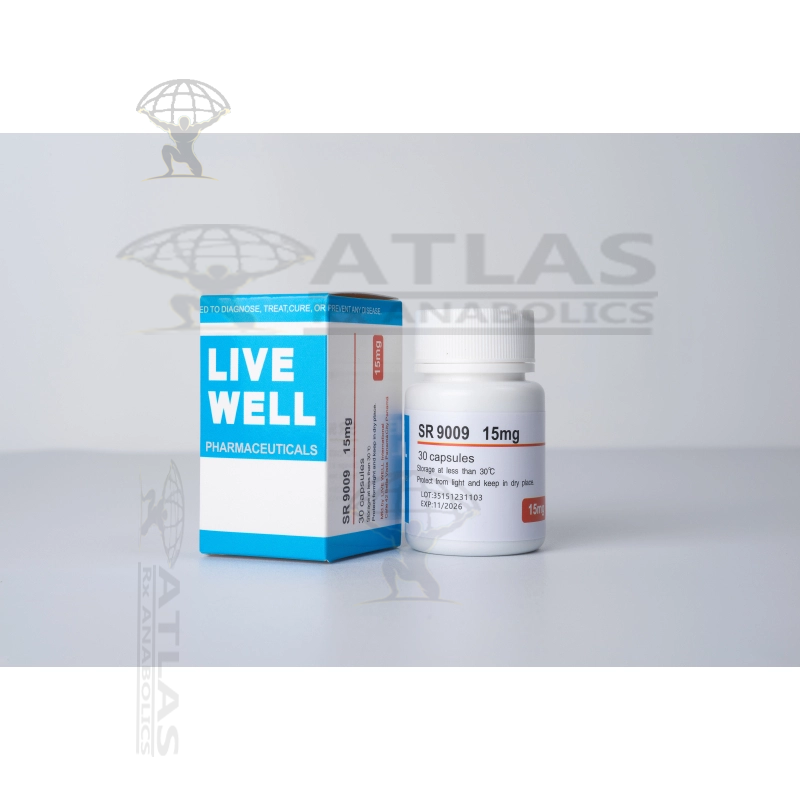
SR9009, also known as Stenabolic, is a synthetic compound that has gained popularity in the world of fitness and athletics. It is a selective androgen receptor modulator (SARM) that was initially developed for its potential therapeutic benefits in treating metabolic disorders, particularly obesity and diabetes. However, it has also been widely used as a performance-enhancing compound by athletes and bodybuilders.
SR9009 works by activating a protein called Rev-ErbA, which plays a crucial role in regulating the body's circadian rhythm, metabolism, and energy expenditure. By activating Rev-ErbA, SR9009 can increase the metabolic rate and enhance fat burning.
One of the key benefits of SR9009 is its ability to increase endurance and stamina. It does so by stimulating the production of mitochondria in muscle cells, which are responsible for generating energy. This leads to enhanced athletic performance, allowing individuals to push harder and train longer.
Additionally, SR9009 has been shown to improve glucose metabolism and insulin sensitivity. This means that it can help regulate blood sugar levels and may be beneficial for individuals with diabetes or those at risk of developing metabolic disorders.
Another potential benefit of SR9009 is its ability to promote lean muscle mass. By increasing the number of mitochondria in muscle cells, it can enhance muscle strength and size. This makes it an attractive compound for bodybuilders and athletes looking to improve their physique.
It is worth noting that SR9009 is still being researched, and its long-term effects and safety profile are not fully understood. As with any performance-enhancing compound, it is important to approach its use with caution and consult with a healthcare professional before considering its usage.
In conclusion, SR9009, or Stenabolic, is a synthetic compound that has shown potential in improving endurance, fat burning, glucose metabolism, and muscle growth. While it may offer benefits for individuals seeking to optimize their physical performance, it is essential to approach its use responsibly and seek professional guidance.
Title: Tamoxifen: A Comprehensive Guide to Usage, Mechanism, and Side Effects
Introduction: Tamoxifen is a medication that has been widely used for the treatment of breast cancer for several decades. It is an important drug in the field of oncology and has played a crucial role in improving the survival rates and quality of life for many patients. This article aims to provide a detailed description of Tamoxifen, including its usage, mechanism of action, and potential side effects.
Usage:
Tamoxifen is primarily used for the treatment of hormone receptor-positive breast cancer, both in pre-menopausal and post-menopausal women. It can be administered as an adjuvant therapy after surgery, radiation, or chemotherapy, or as a first-line treatment for advanced or metastatic breast cancer. Furthermore, Tamoxifen has proven effective in reducing the risk of breast cancer in high-risk individuals, such as those with a family history of the disease or certain genetic mutations.
Mechanism of Action:
Tamoxifen exerts its effects by acting as a selective estrogen receptor modulator (SERM). It competes with estrogen for binding to estrogen receptors in breast tissue, effectively blocking the estrogen signaling pathway. This inhibitory action prevents the growth and proliferation of hormone receptor-positive breast cancer cells, ultimately leading to tumor regression. Additionally, Tamoxifen has been shown to enhance the production of certain proteins that inhibit cell growth and promote cell death, further contributing to its anti-cancer effects.
Side Effects:
While Tamoxifen is generally well-tolerated, it is important to be aware of its potential side effects. The most common side effects include hot flashes, vaginal dryness, and irregular menstrual periods in pre-menopausal women. Post-menopausal women may experience menopausal symptoms such as night sweats and mood swings. These side effects are usually mild and can be managed with symptomatic treatment or hormone replacement therapy if necessary.
Tamoxifen may also have an impact on bone health, as it can reduce bone mineral density and increase the risk of osteoporosis. Regular bone density assessments and appropriate interventions, such as calcium and vitamin D supplementation, are important for minimizing this risk. Additionally, Tamoxifen has been associated with a slightly increased risk of blood clots, which can manifest as deep vein thrombosis or pulmonary embolism. Patients on Tamoxifen should be educated about the signs and symptoms of blood clots and seek immediate medical attention if they occur.
Another important consideration is Tamoxifen's potential effect on the endometrium. It has been associated with a slightly increased risk of endometrial cancer, although this risk is outweighed by the drug's benefits in treating breast cancer. Regular gynecological examinations and monitoring for any signs of abnormal vaginal bleeding are crucial for early detection and management of endometrial changes.
It is worth noting that Tamoxifen may interact with certain medications, including selective serotonin reuptake inhibitors (SSRIs) and aromatase inhibitors. Therefore, it is important for patients to inform their healthcare providers about any other medications they are taking to avoid potential drug interactions.
Conclusion:
Tamoxifen is a vital medication in the treatment of hormone receptor-positive breast cancer. Its ability to modulate estrogen receptor signaling has been instrumental in improving outcomes for patients. While Tamoxifen is generally well-tolerated, it is essential for patients and healthcare providers to be aware of its potential side effects and take appropriate measures to minimize risks. Overall, Tamoxifen's benefits in treating breast cancer far outweigh its potential risks, making it an indispensable tool in the fight against this disease.
HCG (Human Chorionic Gonadotropin) 5000iu is a hormone medication that is used for various purposes. Here is a detailed description of HCG 5000iu:
**What is HCG?**
HCG is a hormone produced naturally in the body. It is primarily found in pregnant women and is responsible for supporting the development of the fetus. In medical settings, synthetic forms of HCG are used for different purposes.
**Uses of HCG 5000iu:**
1. **Fertility Treatment**: HCG is commonly used as a fertility treatment for both men and women. In women, it helps stimulate the release of eggs during ovulation, increasing the chances of pregnancy. In men, it stimulates the production of testosterone and improves sperm production.
2. **Weight Loss**: HCG is sometimes used as part of a weight loss regimen. This approach involves a very low-calorie diet paired with HCG injections. The hormone is believed to suppress appetite and help the body utilize stored fat for energy.
3. **Hormone Replacement Therapy**: HCG can be used as part of hormone replacement therapy for men with low testosterone levels. It helps to stimulate the production of testosterone in the testicles, helping to restore hormonal balance.
**Dosage and Administration:**
HCG 5000iu is typically administered through injections, either subcutaneously (under the skin) or intramuscularly (into the muscle). The exact dosage and administration schedule may vary depending on the purpose of use and the individual's needs. It is essential to follow the instructions provided by a healthcare professional or the package insert.
**Possible Side Effects:**
Like any medication, HCG 5000iu may have side effects. These can vary from person to person and may include:
- Headache
- Fatigue
- Mood swings
- Breast tenderness
- Ovarian hyperstimulation syndrome (in rare cases)
- Injection site reaction
It is important to consult with a doctor or healthcare professional before starting any treatment with HCG 5000iu.
**Precautions and Considerations:**
- HCG should not be used during pregnancy, as it can have adverse effects.
- It is important to inform your doctor about any existing medical conditions or medications you are taking before using HCG.
- The use of HCG for weight loss should be done under medical supervision, as it may not be suitable for everyone.
- Care should be taken to ensure the medication is stored properly according to the instructions provided.
Remember, this is just a general description of HCG 5000iu, and it is crucial to consult with a healthcare professional for personalized advice and guidance based on your specific needs and circumstances.
Unlock Sustained Performance: A Comprehensive Guide to GenLabs Turinabol (4-Chlorodehydromethyltestosterone)
In the pursuit of athletic excellence and a refined physique, the discerning athlete seeks compounds that offer a strategic balance of anabolic benefits with a manageable side effect profile. Enter Turinabol (4-Chlorodehydromethyltestosterone), a classic oral anabolic-androgenic steroid (AAS) with a storied history and a unique pharmacological footprint. GenLabs Pharma presents this legendary compound in its pure, precisely dosed form: Turinabol 10mg tablets, 100 tablets per pack. This product description serves not as consumption advice, but as an in-depth educational resource on the compound's profile, mechanisms, and place in performance enhancement history.
Historical Context and Pharmacological Innovation
To understand Turinabol is to understand a significant chapter in AAS development. Synthesized in the early 1960s by the German pharmaceutical company Jenapharm, Turinabol was not merely another methyltestosterone derivative. It was a deliberate and ingenious hybrid, created by combining the molecular structures of two foundational compounds: Methandrostenolone (Dianabol) and 4-Chlorotestosterone (Clostebol).
This synthesis yielded a molecule with distinct characteristics:
The addition of a chlorine atom at the 4th carbon position (from Clostebol) significantly reduced its androgenicity and its affinity to aromatize into estrogen.
The C17-alpha alkylation (from Dianabol) allowed for oral bioavailability, ensuring the compound survived first-pass liver metabolism.
The result was an anabolic agent designed for steady, quality gains with a notably low incidence of estrogenic side effects like water retention, gynecomastia, or pronounced blood pressure spikes. Its most famous historical application was in the state-sponsored athletic programs of the former German Democratic Republic, where it was valued for its ability to enhance strength and recovery without the dramatic weight gain that could hinder technique in sports like swimming, track and field, and gymnastics.
Mechanism of Action: The Turinabol Advantage
GenLabs Turinabol operates primarily through a dual mechanism of action within the body:
Androgen Receptor Binding: Like all AAS, Turinabol binds to androgen receptors in muscle tissue, skeletal cells, and other organs. This binding initiates a cascade of cellular processes that increase protein synthesis and nitrogen retention. A positive nitrogen balance is a fundamental prerequisite for an anabolic, muscle-building state. Unlike more potent androgens, its binding is "cleaner," leading to less androgenic stimulation in sebaceous glands and hair follicles.
Non-Aromatizing Nature: This is Turinabol's signature trait. The 4-chloro modification effectively blocks the enzyme aromatase from converting the steroid into estrogen. This means users typically experience zero estrogen-related side effects. There is no estrogen-driven water retention, leading to harder, more defined muscle tissue and a lack of subcutaneous puffiness. This makes it a favored choice during cutting phases and for athletes concerned about gynecomastia.
Low Androgenicity: While certainly androgenic, its relative androgenicity is lower compared to compounds like Testosterone, Trenbolone, or even Dianabol. This translates to a reduced risk of side effects like accelerated male pattern hair loss, severe acne, or heightened aggression in those predisposed. It is important to note, however, that androgenic effects are always dose and individual-dependent.
Expected Effects and Potential Benefits (In a Clinical Context)
In its original clinical context, Turinabol was indicated for conditions requiring tissue-building without excessive virilization. For the performance athlete, these properties translate into specific, tangible benefits:
Quality Lean Muscle Accretion: Promotes steady, dry gains in muscle mass. The gains are not as rapid or voluminous as with a mass-building compound like Dianabol, but they are notoriously easier to retain post-cycle due to the lack of water weight.
Significant Strength Increases: Enhances phosphocreatine synthesis in muscle cells and improves neuromuscular efficiency, leading to measurable and sustained increases in strength without the "bloat strength" associated with wet compounds.
Enhanced Recovery and Endurance: By increasing red blood cell count (erythropoiesis) and improving the efficiency of ATP regeneration, Turinabol reduces recovery time between sets and training sessions. Athletes often report an increased ability to sustain higher training volume and intensity.
Ideal for Cutting and Recomposition: Its non-estrogenic, non-progestogenic nature makes it a premier choice during caloric deficit phases. It helps preserve lean muscle mass, strength, and training intensity while dieting, allowing for a sharper, more defined physique.
Low Incidence of Side Effects (Relative): When used responsibly and at moderate doses, its side effect profile is one of the most manageable among oral AAS, primarily centered on its hepatotoxicity and potential impact on cholesterol.
GenLabs Pharma: Commitment to Purity and Precision
The theoretical benefits of any compound are only as good as the quality of its manufacture. GenLabs Pharma ensures that every tablet of Turinabol meets the highest standards:
Accurate Dosage: Each tablet contains a verified 10mg of 4-Chlorodehydromethyltestosterone, allowing for precise and flexible dosing protocols.
Pharmaceutical-Grade Raw Materials: Sourced from certified suppliers, ensuring molecular purity and authenticity.
Advanced Tablet Pressing: Produces consistent, non-friable tablets with even compound distribution, guaranteeing each dose is identical to the last.
Discreet and Secure Packaging: The 100-tablet pack is designed for integrity and privacy, shipped in protective, unmarked packaging.
Important Considerations and Responsible Use Disclaimer
This product is sold for research and educational purposes only. It is not a dietary supplement. The following information is presented to underscore the importance of understanding the pharmacological impact of AAS.
Hepatotoxicity: As a C17-alpha alkylated oral steroid, Turinabol is metabolized by the liver. Responsible use dictates limited cycle lengths (typically 6-8 weeks), avoidance of other hepatotoxic substances (e.g., alcohol), and consideration of liver support supplements.
Cardiovascular Health: Like most AAS, Turinabol can suppress HDL (good) cholesterol and elevate LDL (bad) cholesterol. Regular cardiovascular exercise, a diet rich in healthy fats and fiber, and regular blood monitoring are essential.
Endogenous Testosterone Suppression: Turinabol will suppress natural testosterone production. A structured Post-Cycle Therapy (PCT) protocol, typically involving SERMs like Tamoxifen Citrate or Clomiphene Citrate, is considered mandatory to restore the hypothalamic-pituitary-testicular axis (HPTA) after use.
Androgenic Effects: While low, they are not non-existent. Individuals sensitive to androgens may still experience oily skin, acne, or hair loss.
Legal Status: Turinabol is a controlled substance in many countries, including the United States, Canada, the United Kingdom, and Australia. It is the buyer's responsibility to be aware of and comply with all local, state, and federal laws regarding its possession.
Conclusion: The Strategic Choice for Discerning Athletes
GenLabs Turinabol 10mg is not a "mass monster" steroid; it is a tool for precision. It represents the intelligent choice for the athlete seeking clean strength, durable muscle tissue, and enhanced performance without the complicating factors of estrogenic activity. Its legacy as a refined, purpose-built anabolic is well-deserved.
For the researcher or educated individual, it offers a case study in the nuanced world of steroid pharmacology—where subtle molecular changes create vastly different clinical and performance profiles. By choosing GenLabs, you select a product backed by a commitment to quality, allowing you to study the effects of one of the most distinctive compounds ever synthesized in the history of anabolic steroids.
GHK-Cu (glycyl-histidyl-lysine-copper) is a peptide that consists of three amino acids: glycine, histidine, and lysine, along with a copper ion. This peptide is derived from a larger protein called copper-binding protein, which is naturally present in our bodies.
GHK-Cu has gained significant attention in the field of skincare and anti-aging due to its potential benefits. It has been found to have several biological activities that make it appealing for its potential use in skincare products.
1. Skin rejuvenation: GHK-Cu has been shown to promote collagen production, which helps to improve skin elasticity and firmness. Collagen is a crucial protein responsible for maintaining the structure and strength of the skin. By stimulating collagen synthesis, GHK-Cu may help to reduce the appearance of fine lines and wrinkles, making the skin look more youthful.
2. Wound healing: GHK-Cu has been extensively studied for its wound healing properties. It has been shown to accelerate the healing process by promoting the migration of cells involved in tissue repair, such as fibroblasts and keratinocytes. Additionally, it has anti-inflammatory effects that can help to reduce inflammation and redness associated with wounds.
3. Antioxidant activity: GHK-Cu has antioxidant properties, meaning it can help protect the skin from damage caused by free radicals. Free radicals are unstable molecules that can damage cells and contribute to the aging process. By neutralizing free radicals, GHK-Cu may help to prevent oxidative stress and maintain a healthier skin appearance.
4. Anti-inflammatory effects: GHK-Cu has been found to have anti-inflammatory properties, which can help to soothe and calm the skin. It can reduce the production of pro-inflammatory molecules and inhibit the activation of inflammatory pathways. This makes it beneficial for individuals with skin conditions such as acne, rosacea, or dermatitis.
GHK-Cu is available in various forms, including creams, serums, and gels, for topical application. It is essential to note that GHK-Cu is a potent peptide and should be used as directed by professionals or according to product instructions. It is advisable to consult a dermatologist or healthcare provider before incorporating GHK-Cu into your skincare routine, especially if you have any underlying skin conditions or are taking medication.
Overall, GHK-Cu peptide shows promise in promoting skin rejuvenation, wound healing, antioxidant protection, and anti-inflammatory effects. It is important to stay updated with scientific research and consult professionals for the most accurate and up-to-date information on its benefits and usage.
LANTUS SOLOSTAR® is a high-quality, long-acting basal insulin analog designed to provide foundational blood sugar control for adult and pediatric patients (6 years and older) with type 1 diabetes and for adults with type 2 diabetes. Manufactured by Sanofi, a global leader in diabetes care, this product includes a state-of-the-art, disposable prefilled insulin pen (SoloStar) and a box of compatible pen needles for easy, precise, and comfortable administration. Each LANTUS SOLOSTAR pen contains 3 mL of insulin glargine at a concentration of 100 units per mL (U-100), offering a consistent and prolonged release of insulin to mimic the body's natural basal insulin secretion.
Indications and Mechanism of Action
LANTUS® (insulin glargine) is indicated to improve glycemic control. In type 1 diabetes, it is used alongside mealtime (bolus) insulin. In type 2 diabetes, it may be used alone or combined with oral anti-diabetic medications or other injectable therapies.
Its unique mechanism stems from a slight modification to the human insulin molecule, making it less soluble at physiological pH. After subcutaneous injection, the solution forms a micro-precipitate, allowing for a slow, steady, and predictable release of insulin glargine into the bloodstream. This action profile results in a relatively constant concentration/time profile with no pronounced peak, providing up to 24 hours of basal insulin coverage. This helps manage fasting blood glucose (FBG) and blood sugar levels between meals and overnight, forming the critical "basal" layer of diabetes management.
Key Features and Benefits of the LANTUS SOLOSTAR System
1. Consistent 24-Hour Glucose Control
LANTUS is engineered for a prolonged duration of action, offering a flat and stable pharmacokinetic profile. This consistency helps patients achieve lower and more predictable fasting blood glucose levels, which is a cornerstone of overall glycemic management as measured by A1C.
2. The User-Centric SoloStar® Prefilled Pen
Sanofi's SoloStar pen is widely recognized for its patient-friendly design, enhancing adherence and injection confidence.
Dose Accuracy: Delivers precise doses in 1-unit increments up to a maximum of 80 units per injection.
Easy Dose Setting: A large, easy-to-grip dial and clear, digital dose window (especially beneficial for users with visual or dexterity challenges) make dose selection straightforward.
Smooth Injection: Requires low injection force. An audible "click" confirms each unit dialed and a distinct sound confirms the full dose has been delivered.
End-of-Dose Indicator: Clearly shows the remaining insulin in the pen, preventing surprises.
Discreet and Portable: The slim, lightweight design is easy to carry and use discreetly.
3. Included Pen Needles for Complete Therapy
This offering includes a box of compatible pen needles, ensuring patients have everything needed to begin therapy immediately. It is crucial to use a new needle for every injection to ensure sterility, prevent contamination, reduce pain, and maintain dose accuracy. Needles are not included with the pen itself and must be purchased separately; this bundle provides convenience and peace of mind.
4. Dosing Flexibility
LANTUS SOLOSTAR offers dosing versatility. It is typically administered once daily at the same time each day. The time of administration can be adjusted to fit individual patient lifestyles, provided it is consistent daily. Dose adjustments should always be made under the guidance of a healthcare professional based on blood glucose monitoring patterns.
Important Safety Information and Warnings
BOXED WARNING: RISK OF HYPOGLYCEMIA, AND DO NOT DILUTE OR MIX WITH OTHER INSULINS.
Hypoglycemia (low blood sugar) is the most common adverse reaction. It can be severe and life-threatening, causing seizures, loss of consciousness, or death. Risk increases with intensive glycemic control, changes in meal patterns, physical activity, and concomitant use of other anti-diabetic drugs. Careful monitoring and patient education on recognition and treatment are essential.
LANTUS MUST NOT BE DILUTED OR MIXED with any other insulin or solution. Mixing can alter its time-action profile and cause precipitation.
Additional Warnings & Precautions:
Hypersensitivity Reactions: Severe, life-threatening allergy is possible. Discontinue use if reactions occur.
Hypokalemia: Insulin, including Lantus, can cause low potassium levels, which may be serious.
Fluid Retention & Heart Failure: May occur with concomitant use of TZDs (thiazolidinediones).
Administration: For subcutaneous injection only. Do not administer intravenously or via an insulin pump. Rotate injection sites within the same region (abdomen, thigh, or upper arm) to reduce the risk of lipodystrophy.
Drug Interactions: Certain drugs may affect insulin requirements. Close monitoring is required when starting or stopping any medication.
Common Side Effects: Hypoglycemia, allergic reactions, injection site reactions (redness, swelling, itching), lipodystrophy, itching, rash, and weight gain.
Who Should Not Use Lantus? Patients experiencing hypoglycemia or with a hypersensitivity to insulin glargine or any excipients.
Directions for Use: A Step-by-Step Guide
Preparation: Wash hands. Check the pen label to ensure it is Lantus and not expired. Attach a new pen needle. Perform a "safety test" (prime) by dialing 2 units, pointing the pen upward, and pressing the injection button until a drop of insulin appears at the needle tip.
Dose Selection: Dial the exact number of units prescribed by your healthcare provider.
Injection: Insert the needle into your chosen, clean injection site at a 90-degree angle. Press the injection button down fully and hold. Slowly count to 10 before withdrawing the needle to ensure the full dose is delivered.
Disposal: Safely remove the needle using the outer cap and discard in an FDA-cleared sharps container. Do not store the pen with the needle attached, as this can lead to leakage, contamination, or air bubbles. Store the pen without the needle attached.
Storage:
Unopened (Refrigerated): Store at 36°F to 46°F (2°C to 8°C). Do not freeze. Keep away from the cooling element.
In-Use: Once punctured with a needle, the pen can be kept at room temperature (below 86°F or 30°C) for up to 28 days. Do not refrigerate the pen you are currently using. Protect from direct heat and light. Discard after 28 days, even if insulin remains.
Why Choose LANTUS SOLOSTAR?
LANTUS SOLOSTAR represents a trusted, evidence-based choice in basal insulin therapy. Its proven efficacy in providing consistent 24-hour coverage, combined with the ergonomic and intuitive SoloStar delivery system, supports patients in achieving their glycemic targets. The inclusion of pen needles in this offering underscores a commitment to a complete patient experience, removing a potential barrier to proper injection technique and therapy initiation.
For over two decades, Lantus has been a foundational therapy for millions of patients worldwide, backed by Sanofi's extensive research and support programs. It is a critical tool in the diabetes management plan, working to reduce the risk of long-term complications associated with uncontrolled blood sugar.
Unlock the Potential of Cellular Renewal with GenLabs GHK-Cu
In the sophisticated field of biochemical research, certain molecules stand out for their remarkable multifunctionality and profound influence on cellular processes. Glycyl-L-Histidyl-L-Lysine, complexed with copper—commonly known as GHK-Cu or Copper Peptide—is one such molecule. GenLabs is proud to introduce our GHK-Cu 50mg Vial, a premium-grade, lyophilized research peptide, accompanied by a dedicated vial of Bacteriostatic Water (Bac Water) for precise reconstitution. This product is meticulously manufactured under stringent controls for researchers dedicated to exploring the frontiers of tissue repair, extracellular matrix biology, and antioxidant defense mechanisms.
This complete kit represents the pinnacle of purity and convenience, designed for the exacting standards of laboratory science. It is intended for research use only in controlled laboratory settings (in-vitro) and is not for human or veterinary use.
What is GHK-Cu? The Science of a Master Signal Peptide
GHK-Cu is a naturally occurring tripeptide (Glycine-Histidine-Lysine) found in human plasma, whose levels correlate with youth and health. Its primary role is that of a master regulator and signaling molecule. When complexed with copper (Cu2+), it becomes a potent bioactive compound that influences a wide array of genes related to tissue homeostasis.
The core mechanism of GHK-Cu lies in its ability to:
Modulate Gene Expression: Research indicates GHK-Cu can upregulate or downregulate hundreds of genes, shifting cellular activity from a state of degeneration and inflammation to a state of repair and regeneration.
Promote Collagen & Glycosaminoglycan (GAG) Synthesis: It is a well-documented stimulator of key structural proteins (collagen I, III, IV) and compounds like elastin and fibronectin, which are fundamental to the integrity, firmness, and elasticity of connective tissue.
Exert Powerful Antioxidant and Anti-Inflammatory Actions: GHK-Cu can scavenge damaging free radicals and reduce the expression of inflammatory cytokines, thereby helping to protect cells from oxidative stress and creating a conducive environment for healing.
Support Cellular Migration and Remodeling: It attracts immune cells and fibroblasts to sites of need and promotes the organized remodeling of the extracellular matrix (ECM), crucial for proper tissue repair over mere scar formation.
GenLabs GHK-Cu 50mg: Uncompromising Quality for Unbiased Research
Our commitment is to provide researchers with tools of the highest integrity, ensuring that experimental results are a reflection of the compound's true biological activity, not compromised by impurities or inconsistencies.
High-Purity Lyophilized Powder: Each vial contains 50mg of GHK-Cu in a sterile, lyophilized (freeze-dried) form, ensuring long-term stability and potency.
Included Bacteriostatic Water: We provide a separate, sterile 30ml vial of Bacteriostatic Water (0.9% Benzyl Alcohol). This is essential for safe, multi-dose reconstitution, preventing bacterial growth in the solution over the research period.
Third-Party Verified: Every batch is analyzed by an independent, ISO-certified laboratory for ≥99% purity (via HPLC), accurate peptide content (via AAA), and absence of bacterial endotoxins and contaminants. Certificates of Analysis (CoA) are available upon request.
Sterile Filtered and Aseptically Packaged: The solution is sterile-filtered (0.22µ) before lyophilization, and all handling is done in an ISO Class 5 cleanroom environment to guarantee sterility.
Precise Batch Tracking: Fully traceable manufacturing and batch numbers ensure transparency and accountability.
Primary Research Applications & In-Vitro Study Pathways
GenLabs GHK-Cu is a versatile tool for investigating numerous biochemical pathways. Key areas of research interest include:
Dermatological & Wound Healing Research:
Study its effects on fibroblast proliferation and collagen production in cell cultures.
Investigate mechanisms of re-epithelialization and ECM remodeling in wound healing models.
Explore modulation of matrix metalloproteinases (MMPs) and their tissue inhibitors (TIMPs) for balanced tissue repair.
Anti-Aging & Cellular Senescence Studies:
Examine its role in protecting cells from UV-induced damage and oxidative stress.
Research potential effects on telomere maintenance and senescence-associated secretory phenotype (SASP) in aged cell lines.
Analyze its impact on sirtuin pathways and other longevity-associated mechanisms.
Anti-Inflammatory & Immunomodulation Research:
Assess its capacity to reduce pro-inflammatory markers (e.g., TNF-α, IL-6) in stimulated immune cell cultures.
Study its influence on macrophage polarization from a pro-inflammatory (M1) to a pro-healing (M2) state.
Hair Follicle & Dermal Papilla Cell Research:
Investigate potential stimulating effects on hair follicle stem cells and dermal papilla cells in culture, exploring pathways related to hair growth cycling.
Reconstitution Protocol & Handling Guidelines
Important: This is a general guideline for research purposes. Sterile technique must be used at all times.
Gather Materials: GHK-Cu 50mg vial, Bacteriostatic Water vial, alcohol wipes, sterile syringes (1ml insulin syringes are precise for measurement).
Sanitize: Wipe the rubber stoppers of both vials with an alcohol swab.
Reconstitute: Draw the desired volume of Bacteriostatic Water into a sterile syringe. Gently inject the solution down the side of the GHK-Cu vial to avoid aggressive agitation. Swirl gently until the powder is fully dissolved—do not shake.
Storage: Once reconstituted, the solution should be stored refrigerated (2-8°C or 36-46°F) and used within a timeframe appropriate for sterile research protocols (consideration of the bacteriostatic agent's efficacy). The lyophilized powder should be stored in a cool, dry place, away from light.
Typical Research Dilutions: Concentrations used in vitro vary by cell type and assay. Common research concentrations range from 1-100 nM. Researchers must perform dose-response studies to determine optimal concentrations for their specific model system.
Why Choose GenLabs for Your Research Peptides?
Commitment to Science: We support the research community with reliable, high-specification biochemicals.
Transparency: Access to third-party CoAs for every product.
Rigorous QC: Our multi-point quality control system covers mass spectrometry (MS), high-performance liquid chromatography (HPLC), amino acid analysis (AAA), and sterility testing.
Stability Guarantee: Products are stabilized and packaged to ensure they arrive with full activity.
Disclaimer: This product is sold for laboratory research purposes only. It is not intended for human consumption, diagnostic use, or therapeutic application. It is the responsibility of the purchasing researcher to ensure compliance with all local, state, and federal regulations regarding the handling and use of research peptides. By purchasing this product, you confirm you are a qualified researcher or institution engaged in legitimate scientific inquiry.
Sildenafil, commonly known by its brand name Viagra, is a medication primarily used to treat erectile dysfunction (ED) in men. It belongs to a class of medications called phosphodiesterase type 5 (PDE5) inhibitors. Sildenafil works by increasing blood flow to the penis, allowing for a firm and lasting erection during sexual stimulation.
Sildenafil was initially developed in the late 1980s as a potential treatment for angina, a condition characterized by chest pain due to inadequate blood flow to the heart. However, during clinical trials, it was observed that sildenafil had a significant effect on penile erections. This accidental discovery led to its approval by the Food and Drug Administration (FDA) in 1998 as the first oral medication for the treatment of ED.
When a man is sexually aroused, the release of nitric oxide in the penis leads to the activation of an enzyme called guanylate cyclase. This enzyme increases the levels of a chemical called cyclic guanosine monophosphate (cGMP), which relaxes the smooth muscles in the blood vessels of the penis. As a result, blood flow to the erectile tissues increases, leading to an erection.
However, another enzyme called phosphodiesterase type 5 (PDE5) breaks down cGMP and reduces its levels, causing the smooth muscles to contract and impeding blood flow to the penis. Sildenafil inhibits PDE5, allowing cGMP to remain active for longer periods. This sustained increase in cGMP levels helps maintain a firm erection during sexual activity.
Sildenafil is generally taken as needed, approximately 30 minutes to one hour before sexual activity. The medication comes in tablet form, with different strengths available depending on the individual's needs. The recommended starting dose is usually 50 mg, but it can be adjusted based on effectiveness and tolerability.
It's worth noting that sildenafil is not an aphrodisiac and does not increase sexual desire. It only facilitates the physiological process of achieving an erection when sexual stimulation is present. It is important to consult with a healthcare professional before starting sildenafil treatment, as they can determine the appropriate dosage and assess any potential contraindications or interactions with other medications.
While sildenafil is generally well-tolerated, it may cause some side effects. Common side effects include headache, flushing, indigestion, nasal congestion, and dizziness. In rare cases, more serious side effects such as priapism (prolonged erection lasting more than four hours) or sudden vision or hearing loss may occur. If any severe or persistent side effects are experienced, medical attention should be sought immediately.
Additionally, it is important to note that sildenafil should not be taken by individuals who are using organic nitrates or nitric oxide donors, as combining these medications can cause a dangerous drop in blood pressure. It is also contraindicated in individuals with certain cardiovascular conditions, liver or kidney disease, or those taking specific medications that could interact with sildenafil.
In summary, sildenafil (Viagra) is an oral medication used to treat erectile dysfunction by increasing blood flow to the penis. It is a reliable and widely-used treatment option that has helped millions of men regain their sexual confidence. However, it is essential to consult with a healthcare professional to ensure its safe and effective use.
Unlocking Metabolic Pathways: An In-Depth Look at Retatrutide 10mg by GenLabs
The landscape of metabolic research is undergoing a paradigm shift with the emergence of novel, multi-targeting investigational compounds. At the forefront of this scientific exploration is Retatrutide, a molecule generating significant interest within preclinical research communities. GenLabs is proud to introduce its high-purity, laboratory-grade Retatrutide 10mg Vial, complete with a complimentary vial of Bacteriostatic Water (BAC Water), designed to facilitate precise and sterile reconstitution for controlled in vitro applications.
This comprehensive product description details the unique properties of Retatrutide, the rigorous quality standards upheld by GenLabs, and the critical importance of proper handling for research integrity. Our formulation is provided exclusively for use in controlled laboratory settings to study potential biochemical interactions and cellular mechanisms.
Scientific Profile: Understanding the Retatrutide Mechanism
Retatrutide is distinguished in the realm of metabolic research peptides as a novel, single-peptide molecule engineered to act as a triple agonist. This designation refers to its investigational ability to simultaneously activate three distinct receptors within the incretin system:
This triple-receptor agonism represents a significant point of study, as it may influence multiple, interconnected metabolic pathways. While GLP-1 receptor agonism is known to support mechanisms related to satiety and glucose homeostasis, the addition of GIP receptor agonism is theorized to have complementary effects on lipid metabolism and energy expenditure. Furthermore, the inclusion of glucagon receptor activity introduces a potential pathway for modulating hepatic glucose output and promoting energy utilization.
In research models, this multi-faceted approach is hypothesized to demonstrate a synergistic effect, potentially leading to more pronounced observations in studies related to adiposity, glycemic control, and metabolic function than single or dual agonists. It is crucial to underscore that these are preclinical research hypotheses, and the compound is strictly for laboratory investigation into these complex biological systems.
GenLabs Commitment: Uncompromising Purity and Precision
The validity of any research is intrinsically linked to the quality of the materials used. GenLabs manufactures its Retatrutide 10mg under the most stringent quality control protocols to ensure researchers receive a product of exceptional reliability and consistency.
Exceptional Purity (>99%): Our Retatrutide is synthesized using advanced Solid-Phase Peptide Synthesis (SPPS) technology and undergoes rigorous purification via High-Performance Liquid Chromatography (HPLC). This process yields a peptide with a purity level exceeding 99%, minimizing the presence of truncated sequences or impurities that could confound experimental results.
Sterile, Lyophilized Powder: The active peptide is provided as a sterile, lyophilized (freeze-dried) white powder within a sealed, neutral glass vial. The lyophilization process enhances long-term stability and ensures the compound is in an ideal state for reconstitution.
Mass Spectrometry (MS) Verified: Every batch is confirmed for molecular weight and identity using Mass Spectrometry, providing definitive proof of the correct peptide sequence.
Bacteriostatic Water Inclusion: To ensure optimal reconstitution practices, each Retatrutide vial is paired with a dedicated 30mL vial of Bacteriostatic Water (0.9% Benzyl Alcohol). This sterile solvent contains 0.9% benzyl alcohol, which inhibits bacterial growth for up to 28 days after the initial puncture, allowing for multi-use reconstitution while maintaining sterility—a critical factor for extended in vitro assays.
Product Specifications & Storage
Peptide Amount: 10mg of lyophilized Retatrutide.
Purity: ≥ 99% by HPLC analysis.
Molecular Formula: C₆₀₂H₉₀₀N₁₆₀O₁₆₀S₁₀
Molecular Weight: Approximately 13.7 kDa.
Appearance: White to off-white lyophilized powder.
Packaging: Sealed in a sterile, multi-dose glass vial with a rubber stopper and aluminum crimp.
Included Solvent: 1 x 30mL vial of Bacteriostatic Water (0.9% Benzyl Alcohol).
Storage: Store the unreconstituted Retatrutide vial and Bacteriostatic Water in a cool, dry place at 2°C to 8°C (36°F to 46°F). Avoid repeated temperature fluctuations and direct light exposure. Important: Once reconstituted, the solution should be used immediately for the highest potency or stored under strict refrigeration (2°C to 8°C) and used within a limited timeframe as per established lab protocols for such compounds.
Laboratory Handling and Reconstitution Guidelines (For Research Personnel)
Disclaimer: The following is a generalized guideline for the reconstitution of lyophilized peptides in a research context. Specific protocols must be developed by the Principal Investigator based on the experimental design.
Aseptic Technique: Perform all steps in a certified laminar flow hood using sterile gloves, gown, and appropriate personal protective equipment (PPE).
Equipment Preparation: Gather sterile syringes (1mL insulin syringes are often suitable for accuracy), needles (typically 23-30 gauge), alcohol swabs, and the vials.
Reconstitution: Slowly draw the desired volume of the provided Bacteriostatic Water into a sterile syringe. Gently inject the solvent down the side of the vial containing the Retatrutide powder to avoid aggressive agitation. Swirl the vial gently or roll between palms until the powder is fully dissolved. Do not shake vigorously, as this can cause denaturation or foaming.
Dosage Calculation: All dosage calculations are experiment-specific and must be determined by the researcher based on cell line, model, and study objectives. Concentration is calculated as (Peptide Mass in mg) / (Solvent Volume in mL) = Final Concentration in mg/mL.
Application: The reconstituted solution is intended for direct application to in vitro cell cultures or other laboratory models as defined by the research protocol.
Critical Usage and Safety Warnings
INTENDED USE STATEMENT: GenLabs Retatrutide 10mg is sold exclusively for laboratory research purposes. It is NOT intended for diagnostic, therapeutic, or human consumption of any kind. It is NOT a drug, food, or cosmetic.
Research Personnel: This product should only be handled by trained, qualified laboratory professionals familiar with peptide handling and biosafety Level 2 (BSL-2) or higher procedures.
Legal Compliance: The purchaser assumes all responsibility for ensuring the compound is used in compliance with all applicable local, state, federal, and international laws and regulations governing the possession and use of research chemicals.
Disposal: Dispose of all used vials, syringes, and any waste material in accordance with institutional guidelines for chemical/biological waste.
Why Choose GenLabs for Your Research Peptides?
GenLabs is dedicated to empowering the scientific community with reliable, high-fidelity research materials. When you source Retatrutide from GenLabs, you are not merely purchasing a peptide; you are investing in:
Verifiable Quality: Batch-specific, third-party-verified Certificates of Analysis (CoA) available upon request.
Research Consistency: Our manufacturing consistency ensures your long-term studies are not compromised by batch-to-batch variability.
Ethical Sourcing: We are committed to the ethical and legal distribution of peptides solely to qualified research institutions and laboratories.
Expert Support: Our team understands the needs of the research community and provides professional, responsive service.
Advance your metabolic research with precision. Choose GenLabs Retatrutide 10mg Vial—where scientific curiosity meets uncompromising quality.