
Post Cycle Therapy: The Essential Guide to Hormone Recovery After Steroids

If you are researching post cycle therapy, you are likely standing at a critical crossroads. You have finished an anabolic steroid cycle, or you are considering one, and the looming fear is not just losing your hard-earned gains, but something more fundamental: the health of your hormonal system. The internet is rife with conflicting "bro-science," leaving you anxious about side effects like low testosterone, infertility, and depression. This comprehensive guide aims to cut through the noise. Post cycle therapy (PCT) is not optional; it is a calculated medical strategy to coax your body's natural hormone production back online. An estimated 30% of anabolic steroid users may suffer from prolonged hypogonadism (low testosterone) without proper recovery protocols, according to a review in The Journal of Clinical Endocrinology & Metabolism. This article will explain the what, why, and how of PCT after steroids, grounding everything in science and harm reduction. The underlying intent is clear: to provide you with the knowledge to seek safe, professional guidance for anabolic steroid recovery.
Table of Contents
- What Is Post Cycle Therapy (PCT)?
- The Problem: How Steroids Shut Down Your HPTA
- The Goal of PCT: Restarting the Engine
- Key Components of a PCT Protocol
- A Sample PCT Protocol (Educational Only)
- Supportive Measures & Natural Supplements
- The Non-Negotiable: Pre, Mid, and Post-Cycle Blood Work
- Risks & Consequences of Skipping PCT
- Final Verdict: A Cautious Path Forward
- Frequently Asked Questions (FAQ)
| Aspect | Key Takeaway |
|---|---|
| Primary Goal | Restore the body's natural testosterone production (HPTA axis) after exogenous steroid use. |
| Core Medications | SERMs (Selective Estrogen Receptor Modulators) like Tamoxifen (Nolvadex) and Clomiphene (Clomid) are the foundation of most PCT protocols. |
| Critical Tool | Comprehensive blood tests are mandatory before, during, and after a cycle to guide therapy. |
| Biggest Risk | Prolonged hypogonadism (low T), leading to depression, infertility, bone loss, and muscle wasting. |
| Fundamental Rule | PCT is not a guarantee of full recovery. The only way to avoid its risks is to avoid steroids. All actions require a doctor's supervision. |
What Is Post Cycle Therapy (PCT)?
Let's start with a simple analogy. Imagine your body's testosterone production system as a finely tuned factory. The brain (the hypothalamus and pituitary) is the management, sending orders (hormones like GnRH and LH) to the workers in the testes to produce testosterone. When you introduce anabolic steroids from the outside, it is like flooding the market with an ultra-cheap, synthetic version of the product. Management sees that product levels are sky-high and decides to shut down the entire factory to avoid overproduction. The workers are sent home, and the factory goes silent.
When you stop taking steroids, the external supply vanishes. But your factory is still shut down, with management unaware it needs to restart. This leaves you with a catastrophic shortage: low natural testosterone. Post cycle therapy is the series of actions designed to wake up management, call the workers back, and get your endogenous (natural) factory humming again. Formally, it is a protocol using specific medications and supplements to facilitate the recovery of the hypothalamic-pituitary-testicular axis (HPTA) following the cessation of anabolic-androgenic steroid (AAS) use. Its purpose is to mitigate the side effects of the resulting hypogonadal state and accelerate the return to hormonal homeostasis.

Image: Blood work is the cornerstone of any serious PCT plan. Guessing your hormone levels is a recipe for failure.
The Problem: How Steroids Shut Down Your HPTA
To understand the solution, you must grasp the problem. The hypothalamic-pituitary-testicular axis (HPTA) is your body's feedback loop for testosterone production.
- Hypothalamus: Releases Gonadotropin-Releasing Hormone (GnRH).
- Pituitary Gland: GnRH stimulates it to release Luteinizing Hormone (LH) and Follicle-Stimulating Hormone (FSH).
- Testes: LH signals Leydig cells to produce testosterone. FSH supports sperm production.
Exogenous testosterone or other anabolic steroids create a powerful negative feedback loop. The high levels of androgens (and often their conversion to estrogens) tell the hypothalamus and pituitary to stop producing GnRH, LH, and FSH. With no stimulating signals, the testes atrophy and cease testosterone and sperm production. This is "shutdown" or suppression. The degree and duration depend on the steroids used, the dose, and the length of the cycle. Compounds like Trenbolone or heavy oral steroids are notoriously suppressive. The goal of PCT for testosterone recovery is to break this negative feedback loop and jump-start the HPTA.
The Goal of PCT: Restarting the Engine
The objectives of a well-planned post cycle therapy protocol are multi-faceted:
- Stimulate Pituitary Activity: Increase the secretion of LH and FSH to signal the testes.
- Restore Testicular Function: Reverse testicular atrophy and resume natural testosterone synthesis.
- Manage Estrogen: Prevent estrogen-related side effects like gynecomastia, which can be exacerbated during the hormonal fluctuations of recovery. This is where estrogen blocker PCT discussions come in, though SERMs are typically preferred over aromatase inhibitors for PCT.
- Minimize Muscle Loss: By restoring anabolic hormones as quickly as possible, you help preserve the muscle tissue gained during the cycle.
- Restore Well-being: Alleviate the symptoms of low testosterone, which include fatigue, depression, low libido, and cognitive fog.
It is crucial to temper expectations. PCT facilitates recovery; it does not guarantee 100% return to pre-cycle baselines, especially with repeated, heavy, or long-term use. The process is more about damage control and optimization.
Key Components of a PCT Protocol
An effective PCT protocol is built on pharmaceuticals with specific mechanisms of action. Natural supplements play only a supportive, secondary role.
SERMs: The Backbone of PCT
Selective Estrogen Receptor Modulators (SERMs) are the first-line medications for PCT. They work by blocking estrogen receptors in certain tissues (like the pituitary), tricking the body into thinking estrogen levels are low. Since estrogen is part of the negative feedback loop, blocking its signal prompts the hypothalamus and pituitary to increase GnRH, LH, and FSH production.
- Tamoxifen (Nolvadex): A cornerstone of SERM PCT. It effectively blocks estrogen in breast tissue (preventing gyno) and powerfully stimulates LH secretion. It is often favored for its reliability and side effect profile.
- Clomiphene (Clomid): Actually a mixture of two isomers. It is a strong stimulator of LH and FSH and is widely used in fertility treatments. Some users report more emotional side effects (mood swings) with Clomid.
The debate over Nolvadex vs Clomid for PCT is a forum staple. Many modern protocols use both in tandem or favor Nolvadex due to its tissue-selective action. The choice should be individualized and medically guided.
hCG: A Double-Edged Sword
Human Chorionic Gonadotropin (hCG) mimics LH, directly stimulating the testes to produce testosterone and prevent atrophy. Its role in PCT is controversial.
- During Cycle: Using low-dose hCG during a cycle can keep the testes "primed," potentially making recovery smoother. This is a common strategy for longer cycles.
- In PCT: Using hCG at the start of PCT can provide a strong initial stimulus. However, hCG itself can suppress the pituitary if used for too long or at high doses. Therefore, it is typically used briefly at the beginning of a PCT or during the cycle, not throughout the entire PCT protocol. The question of should you use hCG during cycle or in PCT is complex and cycle-dependent.
Importantly, hCG does not restart the pituitary; it only stimulates the testes. Thus, it is almost always used in conjunction with SERMs.
Aromatase Inhibitors (AIs) in PCT
Drugs like Anastrozole (Arimidex) or Exemestane (Aromasin) reduce estrogen by blocking the aromatase enzyme. They are crucial during a cycle to control estrogen. However, in PCT, their role is limited. Excessively crushing estrogen can negatively impact cholesterol, bone density, and mood, and can actually hinder HPTA recovery because some estrogen is needed for feedback. SERMs are generally the preferred tool for estrogen management during the post cycle therapy phase.
| Medication | Primary Purpose in PCT | Mechanism of Action | Key Consideration |
|---|---|---|---|
| Tamoxifen (Nolvadex) | Stimulate LH/FSH, prevent gynecomastia | SERM: Blocks estrogen receptors in pituitary/hypothalamus. | Well-tolerated, considered a first-line agent for SERM PCT. |
| Clomiphene (Clomid) | Stimulate LH/FSH production strongly | SERM: Similar to Tamoxifen but different isomer profile. | May cause more visual or mood disturbances in some individuals. |
| hCG | Prevent testicular atrophy, kickstart testicular function | Mimics LH, directly stimulates Leydig cells in testes. | Does not restart pituitary; can cause suppression if misused in PCT. |
| Anastrozole (Arimidex) | Control estrogen (primarily during cycle, not core PCT) | Aromatase Inhibitor (AI): Reduces conversion of androgens to estrogen. | Rarely used in PCT itself due to risk of crashing estrogen. |
A Sample PCT Protocol (Educational Only)
Disclaimer: The following is a generalized, educational example. It is NOT medical advice. Steroids are controlled substances, and PCT medications require a prescription. Your protocol must be designed by a healthcare professional based on your specific cycle, blood work, and health status.
Let's assume a common scenario: a 12-week cycle of Testosterone Enanthate (500mg/week). This provides a framework for understanding a PCT timeline.
- Timing: Begin PCT after the ester of the steroid has cleared your system. For Test Enanthate, this is typically 10-14 days after the last injection. Starting too early with exogenous hormones still active is futile.
- Duration: A typical PCT lasts 4 to 6 weeks.
- Example Structure:
- Weeks 1-4: Tamoxifen 20mg daily, Clomiphene 25mg daily.
- Support: Incorporate supportive supplements (see below) throughout.
- hCG Option: Some may use hCG at 500 IU every other day for the first 10 days after the last injection but before starting SERMs, though this is a nuanced strategy.
This is just one template. The "best PCT protocol for a testosterone cycle" is the one tailored to you. More aggressive cycles require more aggressive and potentially longer recovery plans.
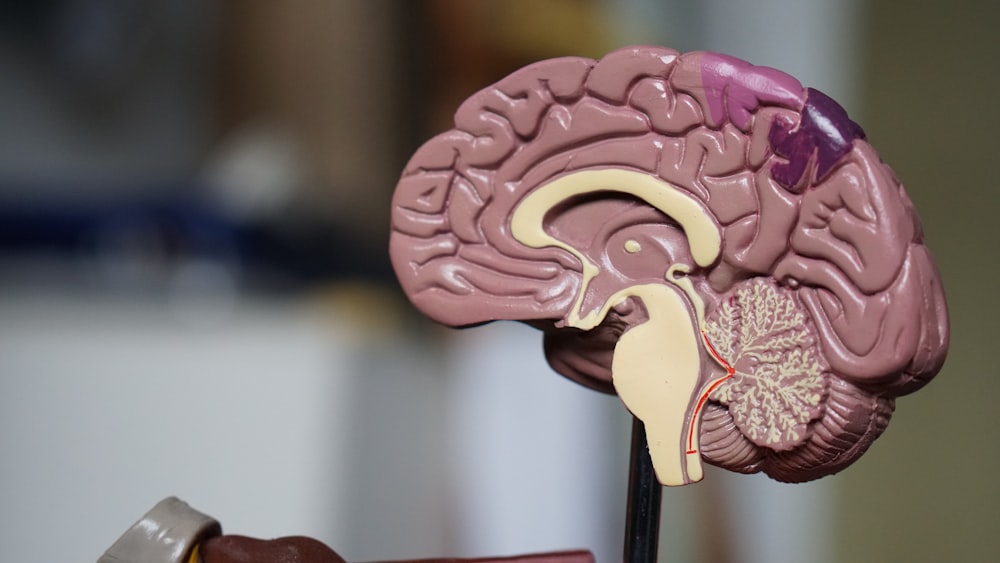
Image: PCT medications like SERMs are powerful tools that require respect and proper medical oversight.
Supportive Measures & Natural Supplements
While SERMs do the heavy lifting, lifestyle and supplements create an environment conducive to recovery. Think of this as the foundation for your hormonal "factory" to operate efficiently. This is the realm of natural testosterone recovery support.
- Diet: Maintain adequate calories and protein to prevent catabolism. Ensure sufficient healthy fats (cholesterol is a precursor to testosterone). Zinc and Vitamin D are crucial micronutrients.
- Sleep & Stress Management: Cortisol, the stress hormone, is antagonistic to testosterone. Prioritize 7-9 hours of quality sleep and practice stress-reduction techniques (meditation, walking).
- Natural Supplements (PCT supplements):
- D-Aspartic Acid (DAA): May transiently increase LH and testosterone, though studies are mixed. A common natural PCT supplement.
- Ashwagandha: An adaptogen shown in studies to reduce cortisol and may support testosterone levels.
- Zinc & Magnesium: Often deficient. Zinc is vital for testosterone synthesis. Magnesium supports sleep and hormonal balance.
- Vitamin D3: Acts like a hormone and is strongly correlated with healthy testosterone levels.
- Fish Oil: Supports cardiovascular health and reduces inflammation, which can be elevated post-cycle.
Can you do a natural PCT without SERMs? For a mild SARMs cycle, perhaps, but for a real anabolic steroid cycle, relying solely on natural supplements is akin to using a band-aid on a broken leg. They are supportive, not curative, for significant HPTA suppression.
The Non-Negotiable: Pre, Mid, and Post-Cycle Blood Work
Embarking on a steroid cycle and PCT without blood work is like driving blindfolded. You must have baseline data to measure recovery against. A comprehensive panel should include:
- Testosterone (Total and Free)
- Estradiol (Sensitive Assay)
- LH & FSH (These will be near zero at the end of a cycle, showing suppression).
- Lipid Profile (Cholesterol is often negatively impacted).
- Liver Enzymes (AST, ALT, especially with oral steroids).
- Kidney Markers, CBC, and PSA.
Timeline:
- Pre-Cycle: Establish a healthy baseline.
- Mid-Cycle (~6 weeks): Check estrogen and health markers to adjust on-cycle support (like AI dose).
- Post-Cycle (at start of PCT): Confirm suppression (low T, low LH/FSH).
- Post-PCT (4-6 weeks after finishing PCT): The most important test. Have you recovered? Compare to baseline. This tells you if your PCT was successful and if further action is needed.
This is the single most important practice for harm reduction.

Image: Signs you need PCT include crushing fatigue, low libido, and depression—classic symptoms of hypogonadism.
Risks & Consequences of Skipping PCT
What happens if you don't do PCT after a steroid cycle? You are gambling with your long-term health. The body may eventually recover on its own, but this can take months or even years, and you may never return to your original baseline. During this time, you live in a state of hypogonadism.
| Risk Category | Potential Consequences |
|---|---|
| Physiological | Persistent low testosterone, testicular atrophy, infertility (oligospermia/azoospermia), gynecomastia, accelerated bone loss (osteoporosis), loss of muscle mass, increased body fat. |
| Psychological | Depression, anxiety, severe mood swings, anhedonia (inability to feel pleasure), chronic fatigue, brain fog, low self-esteem. |
| Metabolic | Poor cholesterol profile (dyslipidemia), increased cardiovascular risk, insulin resistance. |
| Quality of Life | Zero libido, erectile dysfunction, poor sleep, lack of motivation, loss of all cycle gains. |
The "common side effects of PCT medications" like temporary visual disturbances or mood swings from SERMs pale in comparison to the risks of untreated hypogonadism. However, this does not mean PCT medications are without risk; they require monitoring.
Final Verdict: A Cautious Path Forward
The world of performance enhancement is fraught with risk. Post cycle therapy is a necessary harm-reduction strategy for anyone who has made the decision to use anabolic steroids. It is a complex biological process that demands respect, education, and professional oversight.
To directly address the underlying anxiety of our audience: Yes, you need a PCT after steroids. No, you cannot wing it based on forum posts. Yes, you must get blood work. No, natural supplements alone are not enough. And perhaps most importantly, the only guaranteed way to avoid the risks and complexities of post cycle therapy is to avoid anabolic steroid use altogether. Natural bodybuilding, while slower, carries none of these endocrine dangers.
If you are pursuing this path, your mandate is to become an informed patient. Seek out healthcare professionals—endocrinologists, urologists, or enlightened sports medicine doctors—who understand performance enhancement and can provide legitimate oversight, including prescriptions for PCT medications where clinically indicated. Your long-term health is worth far more than any short-term gain.
Medical/Legal Disclaimer: This article is for informational and educational purposes only. It does not constitute medical advice. Anabolic steroids are Schedule III controlled substances in the United States with significant legal and health risks. The misuse of these substances can lead to severe health consequences. The medications discussed (SERMs, hCG, AIs) are prescription-only. You must consult a licensed medical professional before starting, altering, or stopping any medication, therapy, or supplement regimen. The author and publisher are not responsible for any actions taken based on the information herein.
Frequently Asked Questions (FAQ)
What happens if you don't do PCT after a steroid cycle?
You risk prolonged hypogonadism (low testosterone), leading to muscle loss, depression, infertility, low energy, and sexual dysfunction. Natural recovery can be slow and incomplete.
How long should PCT last after a steroid cycle?
Most PCT protocols last 4 to 6 weeks, but the duration depends on the compounds used, cycle length, and individual response as seen in follow-up blood work.
What is the best PCT protocol for a testosterone cycle?
There is no universal "best" protocol. A common foundation is a combination of SERMs like Tamoxifen (Nolvadex) and Clomiphene (Clomid) for 4-6 weeks, dosed based on the cycle's intensity and individual blood work.
Can you do a natural PCT without SERMs?
For a mild SARMs cycle, supportive natural supplements may suffice. For suppressive anabolic steroid cycles, natural PCT is insufficient to restart the HPTA effectively. SERMs are typically required.
What are the signs of low testosterone after a cycle?
Fatigue, depression, low libido, erectile dysfunction, loss of muscle mass, increased body fat, brain fog, and joint pain are all potential signs you need PCT.
How long does it take for natural testosterone to recover after steroids?
With a proper PCT, significant recovery can occur within 1-3 months. Full recovery to pre-cycle baseline can take 6 months or longer, and is not guaranteed, especially after multiple cycles.
What is the difference between Nolvadex and Clomid for PCT?
Both are SERMs. Nolvadex (Tamoxifen) strongly blocks estrogen in breast tissue and is a reliable LH stimulator. Clomid (Clomiphene) is a potent LH/FSH stimulator but may cause more mood or visual side effects. Many modern protocols favor or combine both.
Should you use hCG during cycle or in PCT?
Using low-dose hCG during the cycle (e.g., 250-500 IU twice weekly) is a popular strategy to prevent testicular atrophy. If used in PCT, it's typically brief at the beginning to jumpstart the testes before SERMs take over.
What are the common side effects of PCT medications?
Common side effects of PCT medications like SERMs can include hot flashes, mood swings, temporary visual disturbances, headaches, and nausea. These are generally dose-dependent and subside after cessation.
Do you need PCT after a SARMs cycle?
Yes, suppressive SARMs (like RAD-140, LGD-4033) can shut down the HPTA. A PCT after a SARMs cycle is often necessary, though it may be milder than for steroids. Blood work is essential to confirm.
What blood tests are needed before and after a cycle?
Essential tests include: Testosterone (Total/Free), Estradiol (Sensitive), LH, FSH, Lipid Panel, Liver Enzymes (AST/ALT), CBC, and Kidney markers. Test at baseline, mid-cycle, and post-PCT.
Can PCT completely restore fertility after steroids?
PCT with SERMs like Clomid can significantly improve sperm production, but there is no absolute guarantee. Severe or long-term steroid abuse can lead to permanent infertility in some cases.
How do you manage estrogen rebound during PCT?
Estrogen rebound can occur as testosterone recovers and aromatizes. Using a SERM like Nolvadex throughout PCT helps block estrogenic effects. A low-dose AI is rarely used if blood work shows excessively high E2.
What are the best natural supplements to support testosterone recovery?
Key natural supplements include D-Aspartic Acid, Ashwagandha, Zinc, Magnesium, Vitamin D3, and Fish Oil. They support the process but cannot replace SERMs for serious suppression.
Is it possible to keep gains after PCT?
It is possible to retain a significant portion of gains with a proper PCT, a sustained high-protein diet, and continued training. However, some muscle loss is typical as you transition from a super-physiological to a natural hormonal state.
Seek Knowledge, Seek Safety
Understanding post cycle therapy is your first step toward responsible practice. Your journey does not end with this article.
Continue your research with reputable medical sources and prioritize consultations with healthcare professionals who can provide personalized guidance. Your hormonal health is the foundation of your long-term well-being, both inside and outside the gym.
For more in-depth information on related topics, visit our comprehensive blog or explore our curated selection of support products designed for post-cycle care.

Shipping Cost
On all orders is set at $25.00

Secure checkout
Protected by Bitcoin

Offer & gift here
On all huge orders
Be the first to comment