MENU
Cart

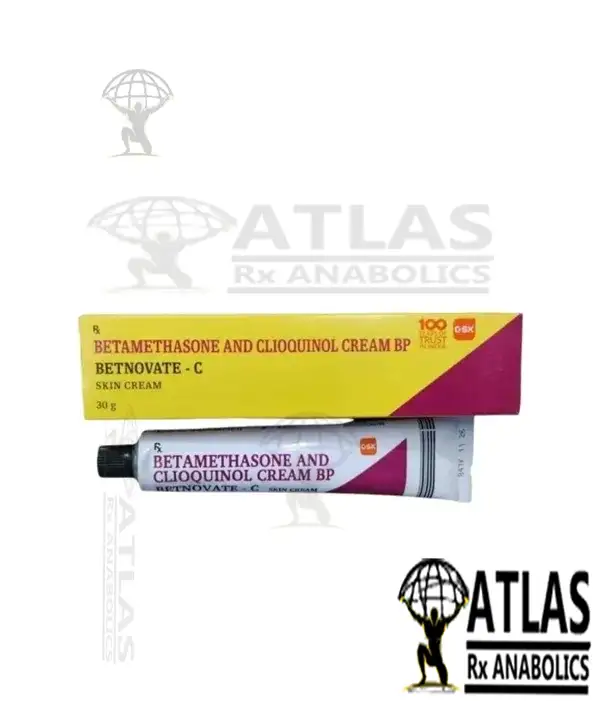
BETNOVATE – C BETAMETHASONE AND CLIOQUINOL C

Description for BETNOVATE – C BETAMETHASONE AND CLIOQUINOL C

BETNOVATE-C Cream 30g Tube | Betamethasone & Clioquinol Cream by GlaxoSmithKline (GSK)

BETNOVATE-C is a potent, dual-action prescription dermatological cream manufactured by GlaxoSmithKline (GSK), a global leader in pharmaceutical research and healthcare. This combination cream is a cornerstone treatment for a specific category of inflammatory skin disorders—those that have become secondarily infected with fungi or bacteria. Containing two active ingredients, Betamethasone (as Betamethasone Valerate 0.1% w/w) and Clioquinol (3% w/w), BETNOVATE-C works to simultaneously suppress inflammation, alleviate distressing symptoms, and combat microbial infection.

It is crucial to understand that BETNOVATE-C is a prescription-only medication (Schedule H in many regions). This description is for informational purposes only and is not a substitute for professional medical advice, diagnosis, or treatment. A qualified healthcare professional must evaluate your condition to determine if BETNOVATE-C is appropriate for you.

Understanding the Dual-Action Formula

The efficacy of BETNOVATE-C stems from the synergistic combination of its two active components, each targeting a distinct aspect of complex skin conditions:

  1. Betamethasone Valerate (0.1% w/w): This is a corticosteroid (steroid) of potent strength. Corticosteroids are synthetic versions of hormones naturally produced by the adrenal glands. When applied topically:

    • Powerful Anti-inflammatory Action: It rapidly reduces inflammation (redness, swelling, and heat) in the affected skin area by inhibiting the release of inflammatory chemicals from immune cells.

    • Effective Anti-pruritic Relief: It suppresses the intense itching (pruritus) that is a hallmark of conditions like eczema and dermatitis, providing significant comfort and breaking the "itch-scratch cycle" that often worsens the skin.

    • Vasoconstrictive Effect: It causes constriction of the small blood vessels in the skin, which directly reduces redness and edema.

  2. Clioquinol (3% w/w): This is an antimicrobial agent with both antifungal and antibacterial properties. It is particularly effective against a broad spectrum of organisms commonly responsible for secondary skin infections, including:

    • Fungi: Such as Candida albicans (causing candidiasis) and dermatophytes.

    • Bacteria: Including many Gram-positive and some Gram-negative bacteria.
      Clioquinol works by chelating (binding) essential metal ions (like iron and copper) that these microorganisms require for growth and metabolism, thereby killing them or inhibiting their proliferation.

Primary Indications and Conditions Treated

BETNOVATE-C is specifically indicated for the short-term treatment of acute, inflamed, and infected steroid-responsive dermatoses. This includes conditions where the skin's barrier is compromised due to inflammation, making it vulnerable to microbial overgrowth. Typical conditions a dermatologist may prescribe BETNOVATE-C for include:

  • Infected Eczema (Atopic Dermatitis): When the classic dry, itchy, inflamed patches of eczema become weepy, crusted, or show signs of bacterial (often Staphylococcus) or fungal infection.

  • Psoriasis (particularly in flexures or when secondarily infected): For plaques that have become inflamed and infected.

  • Contact Dermatitis: Allergic or irritant reactions that have been complicated by infection due to scratching or exposure to pathogens.

  • Seborrhoeic Dermatitis (when severe or infected): Especially in body folds.

  • Lichen Simplex Chronicus: Thickened, leathery skin due to chronic scratching, which can easily become infected.

Important Note: BETNOVATE-C is NOT intended for use on viral infections (e.g., herpes simplex/cold sores, chickenpox, shingles), acne, rosacea, perioral dermatitis, or on untreated bacterial or fungal infections without significant inflammation. Misuse can worsen these conditions.

How to Use BETNOVATE-C Cream: Dosage and Application Instructions

Adherence to your doctor's instructions is paramount for safety and effectiveness.

  1. Preparation: Wash and gently dry the affected skin area thoroughly before application.

  2. Application: Apply a thin smear of the cream. Gently massage it into the skin until it disappears. A common guideline is the "fingertip unit" (FTU)—the amount squeezed from the tube to cover an adult fingertip. One FTU is sufficient to cover an area twice the size of an adult hand.

  3. Frequency: Typically, a doctor will advise applying the cream once or twice daily. The "minimal effective dose" principle applies—use the smallest amount needed to control symptoms.

  4. Duration: This is a short-term treatment. Your doctor will specify the treatment duration, usually not exceeding one to two weeks without review. Long-term continuous use should be avoided unless under strict medical supervision.

  5. Occlusive Dressings: Do not use tight bandages or dressings unless explicitly directed by your doctor, as they can significantly increase the absorption of the steroid, raising the risk of systemic side effects and skin atrophy.

Important Warnings, Contraindications, and Side Effects

  • Prescription Only: Never use this medication without a prescription or on conditions for which it was not prescribed.

  • Hypersensitivity: Do not use if you have a known allergy to betamethasone, clioquinol, other corticosteroids, iodine, or any cream ingredient.

  • Pregnancy & Lactation: Use during pregnancy or breastfeeding is generally not recommended unless the potential benefit outweighs the risk. Consult your doctor.

  • Children & Infants: Use in children requires extra caution and medical supervision due to their higher skin surface area to body weight ratio, which increases systemic absorption risk.

  • Avoid the Face & Sensitive Areas: Unless prescribed, avoid use on the face, groin, armpits, or other thin-skinned areas due to higher risk of side effects like thinning skin, striae (stretch marks), and telangiectasia (visible blood vessels).

Potential Side Effects:

  • Local Skin Reactions (common with prolonged use): Skin thinning (atrophy), stretch marks, increased hair growth, perioral dermatitis, acneiform eruptions, allergic contact dermatitis, and changes in skin color.

  • Systemic Absorption (with extensive/long-term use): Can lead to effects similar to oral steroid use, such as adrenal suppression, Cushing's syndrome, hyperglycemia, and growth retardation in children.

  • Clioquinol-related: Can stain skin, hair, or fabrics yellow/brown. Rarely, may cause skin irritation.

Why Choose GSK's BETNOVATE-C?

When prescribed BETNOVATE-C, you are receiving a product from GlaxoSmithKline (GSK), a company with a long-standing legacy in dermatology. This ensures:

  • Assured Quality & Consistency: Manufactured under stringent Good Manufacturing Practice (GMP) standards.

  • Clinically Proven Formulation: The efficacy and safety profile of the betamethasone and clioquinol combination are well-established through extensive clinical use and research.

  • Trusted Heritage: GSK is a name trusted by healthcare professionals worldwide for reliable and effective medicinal products.

Conclusion

BETNOVATE-C Cream is a powerful and effective solution for managing inflamed and infected steroid-responsive skin conditions. Its dual-action formula addresses both the underlying inflammatory process and the complicating microbial infection, providing comprehensive relief. However, its potency demands respect and responsible use strictly under medical guidance. Do not self-medicate. If you are experiencing a skin condition you believe may require this treatment, consult a dermatologist or your physician for a proper diagnosis and personalized treatment plan.

Disclaimer: This information is intended for educational purposes. Always read the package insert provided with the medication and follow your healthcare provider's advice. Dosage, indications, and warnings may vary by region. Report any unexpected side effects to your doctor immediately.

Based on 2 review(s)

  • (2)

    • Madelyn Hill

      This product is a game-changer. It has made my life so much easier. Highly recommended!

    • James Bell

      I recently made a purchase from this website and I am extremely satisfied. The product arrived on time and the customer service was excellent. Will definitely be a repeat customer!

    Add a Review

    Your Ratings:

    Related Products.

    THC vapes, also known as THC cartridges or THC oil pens, are devices that are used to vaporize and inhale tetrahydrocannabinol (THC), the active compound found in cannabis. These devices have gained popularity in recent years due to their discreet and convenient nature.

    THC vapes typically consist of a cartridge filled with THC oil, a heating element (usually a coil or ceramic atomizer), a battery, and a mouthpiece. The oil in the cartridge contains a concentrated form of THC, often extracted from cannabis plants using various methods such as CO2 extraction or butane extraction.

    One of the main advantages of using THC vapes is the convenience they offer. They are small, portable, and easy to use, making them popular among both medical and recreational users. They can be easily carried in a pocket or purse, allowing users to discreetly consume THC whenever and wherever they want.

    When using a THC vape, the user activates the device by pressing a button or inhaling on the mouthpiece, depending on the model. This activates the heating element, which then vaporizes the THC oil. The vapor is inhaled through the mouthpiece, allowing the THC to be absorbed into the bloodstream through the lungs. The effects are typically felt within minutes, making it a quick and efficient method of THC consumption.

    THC vapes are available in a wide range of flavors and potency levels, allowing users to choose the one that suits their preferences. Some cartridges contain additional cannabinoids and terpenes, which can enhance the flavor and effects of the THC.

    It is important to note that while THC vapes can provide a convenient and discreet way to consume THC, there are potential risks associated with their use. Due to the lack of regulation in the industry, some cartridges may contain additives or contaminants that can be harmful when vaporized and inhaled. It is crucial to purchase THC vapes from reputable sources to ensure product safety.

    Furthermore, the long-term health effects of vaping THC are still being studied, and there have been cases of lung injuries associated with the use of illicit THC cartridges. It is advisable to use THC vapes responsibly and in moderation, and to consult with a healthcare professional if you have any concerns.

    In summary, THC vapes are portable devices that vaporize THC oil for inhalation. They offer convenience, discretion, and a variety of flavors and potency levels. However, it is important to be cautious and purchase from reputable sources to ensure product safety and use responsibly.


    Tadalafil: A Detailed Description

    Introduction:

    Tadalafil is a medication primarily used to treat erectile dysfunction (ED) and symptoms of benign prostatic hyperplasia (BPH). It belongs to a class of drugs known as phosphodiesterase type 5 (PDE5) inhibitors. Marketed under the brand name Cialis, tadalafil has gained popularity as a reliable and effective treatment option for men facing sexual health issues. This article aims to provide a detailed description of tadalafil, including its mechanism of action, therapeutic uses, dosage, side effects, and precautions.

    Mechanism of Action:

    Tadalafil works by inhibiting the enzyme PDE5, which is responsible for breaking down cyclic guanosine monophosphate (cGMP). Inhibition of PDE5 leads to increased levels of cGMP in the smooth muscle cells of the penis, causing relaxation of the blood vessels and improved blood flow. This enhanced blood flow helps in achieving and maintaining an erection during sexual stimulation.

    Therapeutic Uses:

    1. Erectile Dysfunction (ED): Tadalafil is primarily prescribed to treat ED, a condition characterized by the inability to achieve or sustain an erection sufficient for sexual intercourse. It is effective in treating both organic and psychogenic causes of ED, making it a versatile choice for individuals with different underlying causes.

    2. Benign Prostatic Hyperplasia (BPH): Tadalafil is also approved for the treatment of BPH, a condition in which the prostate gland becomes enlarged, causing urinary symptoms such as frequent urination, weak urine flow, and difficulty emptying the bladder. By relaxing the smooth muscle of the prostate and bladder, tadalafil helps alleviate these symptoms.

    Dosage and Administration:

    Tadalafil is available in various strengths, including 2.5mg, 5mg, 10mg, and 20mg tablets. The recommended starting dose for most men is 10mg, taken orally before sexual activity. However, the dose can be adjusted based on individual response and tolerability. It is important to note that tadalafil should not be taken more than once in a 24-hour period.

    For the treatment of BPH, a daily dose of 5mg tadalafil is usually prescribed. This lower dose can also be used for men with both ED and BPH, providing simultaneous relief for both conditions.

    Side Effects:

    While tadalafil is generally well-tolerated, it may cause some side effects in certain individuals. Common side effects include headache, facial flushing, indigestion, nasal congestion, and back pain. These side effects are usually mild and transient, resolving on their own without medical intervention.

    Less common but more serious side effects may include sudden vision or hearing loss, chest pain, and priapism (a prolonged and painful erection). If any of these side effects occur, it is important to seek immediate medical attention.

    Precautions and Contraindications:

    Tadalafil should not be taken by individuals who are allergic to it or any of its components. It is also contraindicated in patients who are taking nitrates, as the combination can cause a potentially dangerous drop in blood pressure.

    Caution should be exercised when using tadalafil in individuals with certain medical conditions, such as severe liver or kidney disease, cardiovascular disease, or a history of priapism. It is advisable to consult a healthcare professional before starting tadalafil to ensure its safety and appropriateness for individual circumstances.

    Drug Interactions:

    Tadalafil can interact with certain medications, including alpha-blockers, antihypertensives, and certain antibiotics or antifungals. These interactions can either increase or decrease the levels of tadalafil in the body, potentially leading to adverse effects or reduced efficacy. It is essential to inform healthcare providers about all medications being taken to avoid any potential interactions.

    Conclusion:

    Tadalafil, a PDE5 inhibitor, is a widely used medication for the treatment of erectile dysfunction and benign prostatic hyperplasia. It works by increasing blood flow to the penis, facilitating erections, and relieving urinary symptoms associated with BPH. With its effectiveness, convenience, and relatively mild side effect profile, tadalafil has become a popular choice for many men seeking treatment for their sexual health concerns. However, it is crucial to use tadalafil under the guidance of a healthcare professional, taking into consideration individual medical history, potential drug interactions, and appropriate dosage for optimal results and safety.


    HCG (Human Chorionic Gonadotropin) 5000iu is a hormone medication that is used for various purposes. Here is a detailed description of HCG 5000iu:

    **What is HCG?**
    HCG is a hormone produced naturally in the body. It is primarily found in pregnant women and is responsible for supporting the development of the fetus. In medical settings, synthetic forms of HCG are used for different purposes.

    **Uses of HCG 5000iu:**

    1. **Fertility Treatment**: HCG is commonly used as a fertility treatment for both men and women. In women, it helps stimulate the release of eggs during ovulation, increasing the chances of pregnancy. In men, it stimulates the production of testosterone and improves sperm production.

    2. **Weight Loss**: HCG is sometimes used as part of a weight loss regimen. This approach involves a very low-calorie diet paired with HCG injections. The hormone is believed to suppress appetite and help the body utilize stored fat for energy.

    3. **Hormone Replacement Therapy**: HCG can be used as part of hormone replacement therapy for men with low testosterone levels. It helps to stimulate the production of testosterone in the testicles, helping to restore hormonal balance.

    **Dosage and Administration:**
    HCG 5000iu is typically administered through injections, either subcutaneously (under the skin) or intramuscularly (into the muscle). The exact dosage and administration schedule may vary depending on the purpose of use and the individual's needs. It is essential to follow the instructions provided by a healthcare professional or the package insert.

    **Possible Side Effects:**
    Like any medication, HCG 5000iu may have side effects. These can vary from person to person and may include:

    - Headache
    - Fatigue
    - Mood swings
    - Breast tenderness
    - Ovarian hyperstimulation syndrome (in rare cases)
    - Injection site reaction

    It is important to consult with a doctor or healthcare professional before starting any treatment with HCG 5000iu.

    **Precautions and Considerations:**
    - HCG should not be used during pregnancy, as it can have adverse effects.
    - It is important to inform your doctor about any existing medical conditions or medications you are taking before using HCG.
    - The use of HCG for weight loss should be done under medical supervision, as it may not be suitable for everyone.
    - Care should be taken to ensure the medication is stored properly according to the instructions provided.

    Remember, this is just a general description of HCG 5000iu, and it is crucial to consult with a healthcare professional for personalized advice and guidance based on your specific needs and circumstances.


    Testosterone Cypionate is a synthetic form of the hormone testosterone, which is naturally produced in the human body. It is classified as an androgenic and anabolic steroid and is primarily used in the field of medicine for hormone replacement therapy in men with low testosterone levels.

    Testosterone Cypionate is administered via intramuscular injection and is slowly released into the bloodstream over a period of several days. This slow release allows for less frequent injections compared to other testosterone esters. The half-life of Testosterone Cypionate is approximately 8 days, meaning it takes about 8 days for half of the injected dose to be cleared from the body.

    One of the main purposes of Testosterone Cypionate is to increase the levels of testosterone in the body. Testosterone is a vital hormone that plays a crucial role in various physiological processes, including the development and maintenance of male sexual characteristics, muscle growth, bone density, and red blood cell production.

    In the medical field, Testosterone Cypionate is prescribed to men who have low testosterone levels due to conditions such as hypogonadism or andropause. It helps to restore normal testosterone levels, improving symptoms such as low libido, fatigue, depression, and decreased muscle mass.

    Outside of medical use, Testosterone Cypionate is also commonly used by athletes and bodybuilders for performance enhancement purposes. It is known to promote muscle growth, increase strength, and enhance athletic performance. However, it is important to note that the non-medical use of Testosterone Cypionate is illegal in many countries without a valid prescription.

    Like any medication, Testosterone Cypionate carries some risks and potential side effects. These may include acne, oily skin, hair loss, increased body hair growth, mood swings, aggression, cardiovascular issues, liver toxicity, and interference with natural testosterone production. It is crucial to consult with a healthcare professional before using Testosterone Cypionate to ensure it is safe and appropriate for your individual circumstances.

    In conclusion, Testosterone Cypionate is a synthetic form of testosterone used in hormone replacement therapy to treat low testosterone levels in men. It has both medical and non-medical applications, but it should only be used under the supervision of a healthcare professional.


    CLOMID (CLOMIPHENE CITRATE) 50MG – A Cornerstone of Fertility Therapy by GenLabs

    For millions of individuals and couples navigating the challenging journey of infertility, the name Clomid (Clomiphene Citrate) stands as a beacon of hope and a first-line therapeutic intervention. GenLabs, a reputable pharmaceutical manufacturer, presents its high-quality formulation: Clomid (Clomiphene Citrate) 50mg per tablet, in a convenient pack of 100 tablets. This oral medication is a proven, well-researched, and widely prescribed agent primarily used to stimulate ovulation in women who experience ovulatory dysfunction. This comprehensive product description delves into the science, applications, proper usage, and essential considerations surrounding this pivotal fertility drug.

    Understanding the Science: How Does Clomid (Clomiphene Citrate) Work?

    Clomid’s efficacy lies in its sophisticated mechanism of action as a Selective Estrogen Receptor Modulator (SERM). To understand its role in fertility, one must first grasp the hormonal dialogue between the brain and the ovaries.

    In a regular menstrual cycle, the hypothalamus in the brain releases Gonadotropin-Releasing Hormone (GnRH), which signals the pituitary gland to secrete Follicle-Stimulating Hormone (FSH) and Luteinizing Hormone (LH). These hormones are the direct catalysts for ovarian follicle growth and ovulation. Estrogen, produced by the developing follicles, provides negative feedback to the pituitary, regulating this system.

    In conditions like polycystic ovary syndrome (PCOS) or other anovulatory disorders, this feedback loop is often imbalanced. Clomiphene Citrate intervenes by competitively binding to estrogen receptors in the hypothalamus. This blocks the brain from detecting the body's circulating estrogen. Misperceiving a state of low estrogen, the hypothalamus and pituitary gland respond by significantly increasing the secretion of GnRH, FSH, and LH. This heightened gonadotropin surge effectively "jump-starts" the ovaries, promoting the recruitment, maturation, and eventual release of a mature egg (ovulation). It is crucial to note that Clomid does not create new eggs; it stimulates the ovaries to utilize the existing follicle pool.

    Primary Indications and Clinical Use

    GenLabs Clomid 50mg is a prescription-only medication intended for specific fertility-related diagnoses:

    1. Ovulation Induction in Anovulatory Women: This is the primary and most common use. It is the treatment of choice for women who do not ovulate regularly (anovulation) or at all, particularly those diagnosed with PCOS. By restoring regular ovulation, it significantly increases the probability of conception.

    2. Unexplained Infertility: Clomid may be used empirically in couples with unexplained infertility to enhance fertility potential by ensuring timed ovulation, often combined with intrauterine insemination (IUI).

    3. Male Infertility (Off-label): Although not its primary indication, Clomid is sometimes prescribed off-label to treat certain cases of male infertility, such as hypogonadotropic hypogonadism. In men, it can help increase endogenous testosterone and, in some cases, improve sperm parameters by stimulating the pituitary-gonadal axis.

    4. Assessment of Ovarian Reserve: The Clomiphene Citrate Challenge Test (CCCT) is a diagnostic tool where a woman’s FSH levels are measured before and after a course of Clomid. It helps assess ovarian reserve and response.

    Dosage, Administration, and Treatment Cycle

    The GenLabs 100-tablet pack provides a full and flexible treatment supply. Self-medication is strictly prohibited. Dosage must be meticulously determined and monitored by a qualified fertility specialist or gynecologist.

    • Standard Dosage: Treatment typically begins with a 50mg (one tablet) dose once daily for five days, usually starting on day 3, 4, or 5 of the menstrual cycle (with day 1 being the first day of menstrual bleeding).

    • Monitoring: Physicians often employ monitoring tools such as transvaginal ultrasounds to track follicular growth and blood tests to check hormone levels. This ensures optimal timing for intercourse or IUI and minimizes risks like multiple pregnancies.

    • Dosage Adjustment: If ovulation does not occur at the 50mg dose, the physician may increase the dose in subsequent cycles to 100mg (two tablets) daily for five days. The maximum recommended daily dose is 150mg. The 100-tablet pack accommodates these dose adjustments across multiple treatment cycles.

    • Treatment Duration: Clomid therapy is usually recommended for 3 to 6 ovulatory cycles. If pregnancy is not achieved within this timeframe, a re-evaluation and consideration of advanced fertility treatments are advised.

    Potential Side Effects and Important Safety Considerations

    While Clomid is generally well-tolerated, patients should be aware of potential side effects, which are usually mild and dose-dependent.

    • Common Side Effects: These may include hot flashes (the most frequently reported), mood swings, breast tenderness, abdominal bloating, nausea, headaches, and visual disturbances (such as blurring or spots). Visual symptoms, though rare, warrant immediate discontinuation and physician consultation.

    • Serious Risks:

      • Ovarian Hyperstimulation Syndrome (OHSS): A rare but serious condition where ovaries become swollen and painful. Symptoms include severe pelvic pain, rapid weight gain, abdominal distension, nausea, and shortness of breath.

      • Multiple Pregnancies: The chance of twins with Clomid is approximately 5-10%. The risk of triplets or more is significantly lower (<1%) but present.

      • Cervical Mucus & Endometrial Lining: Clomid’s anti-estrogenic effects can sometimes lead to thickened cervical mucus (impeding sperm passage) or a thin endometrial lining. Your doctor will monitor for these.

      • Ectopic Pregnancy: A slightly increased risk exists.

    • Contraindications: Clomid is contraindicated in pregnancy, liver disease, abnormal uterine bleeding of undetermined cause, ovarian cysts unrelated to PCOS, and in patients with uncontrolled thyroid or adrenal disorders.

    Why Choose GenLabs Clomid 50mg Tablets?

    1. Proven Efficacy & Trust: Clomiphene Citrate has over 60 years of clinical history, making it one of the most studied and trusted first-line fertility treatments globally.

    2. GenLabs Quality Assurance: This product is manufactured under stringent Good Manufacturing Practice (GMP) conditions, ensuring consistent dosage, purity, and pharmaceutical integrity in every 50mg tablet.

    3. Cost-Effective Therapy: Compared to injectable gonadotropins, Clomid remains a significantly more affordable oral option for ovulation induction.

    4. Convenience: The 100-tablet package offers an ample supply for multiple treatment cycles as directed by a physician, providing convenience and continuity of care.

    Final Patient Guidance

    GenLabs Clomid (Clomiphene Citrate) 50mg is a powerful prescription pharmaceutical, not a dietary supplement. It is a fundamental tool in reproductive medicine that has helped countless individuals achieve their dream of parenthood. Success hinges on a partnership between a patient and a skilled reproductive endocrinologist who can provide proper diagnosis, personalized dosing, and crucial cycle monitoring.


    MODAFINIL TABLETS USP 200 MG – 30 TABLETS – GENLABS: A Comprehensive Guide to the Prescription Wakefulness Agent

    Introduction to Modafinil: Beyond Simple Stimulation

    MODAFINIL TABLETS USP 200 MG from GenLabs represents a specialized pharmaceutical agent classified as a eugeroic, or wakefulness-promoting medication. It is distinctly different from traditional stimulants like amphetamines. Produced under stringent Good Manufacturing Practice (GMP) standards, this 30-tablet package contains a pure, precisely dosed formulation intended for the management of specific sleep-wake disorders. Each tablet delivers 200 mg of Modafinil, USP grade, ensuring consistent potency, quality, and dissolution as per the United States Pharmacopeia monograph. This product description serves as a detailed, professional resource for understanding this potent medication, which is available by prescription only.

    Primary Medical Indications and Uses

    GenLabs Modafinil 200 mg is clinically approved for the treatment of excessive daytime sleepiness (EDS) associated with the following diagnosed medical conditions:

    1. Narcolepsy: A chronic neurological disorder characterized by the brain's inability to regulate sleep-wake cycles normally, leading to overwhelming daytime drowsiness and sudden, uncontrollable sleep attacks.

    2. Obstructive Sleep Apnea/Hypopnea Syndrome (OSAHS): For patients with diagnosed OSAHS who continue to experience significant EDS despite primary treatment with Continuous Positive Airway Pressure (CPAP) therapy. It is crucial to understand that Modafinil is an adjunctive therapy and does not treat the underlying airway obstruction.

    3. Shift Work Sleep Disorder (SWSD): Specifically indicated to improve wakefulness in individuals with work schedules that overlap the typical sleep period (e.g., night shifts, rotating shifts), leading to insomnia when trying to sleep and excessive sleepiness when needing to be awake and alert.

    Mechanism of Action: How Does Modafinil Work?

    Modafinil's exact mechanism is complex and not fully understood, but it is known to differ fundamentally from stimulants like amphetamines. Its wakefulness-promoting effects are believed to stem from selective action on key neurotransmitter systems in the brain's hypothalamus and other areas regulating the sleep-wake cycle:

    • Dopamine Reuptake Inhibition: Modafinil increases extracellular dopamine by binding to the dopamine transporter (DAT), inhibiting dopamine reuptake into neurons. This is considered a primary mechanism for promoting wakefulness and alertness.

    • Interaction with Orexin/Hypocretin and Histamine Systems: It may also stimulate wakefulness by activating orexin-producing neurons and increasing histamine release in the brain, both critical pathways for maintaining cortical arousal.

    • Selective Action: Unlike traditional stimulants, Modafinil appears to have a more targeted effect on sleep-regulating centers without causing widespread generalized stimulation of the sympathetic nervous system. This profile often results in a lower incidence of side effects like hypertension, tachycardia, and euphoria.

    Dosage, Administration, and Important Usage Guidelines

    Dosage: The recommended dose for most indications is 200 mg taken orally once daily. For Shift Work Sleep Disorder, the dose should be taken approximately one hour prior to the start of the work shift.
    Administration: Swallow the tablet whole with a full glass of water, with or without food. Taking it in the morning is standard for narcolepsy and OSAHS to avoid interference with nighttime sleep.
    Adherence: It is imperative to use this medication exactly as prescribed by your healthcare provider. Do not alter the dose or frequency without medical consultation.

    Key Safety Warnings and Precautions

    • Prescription-Only Medication: MODAFINIL TABLETS USP 200 MG is a prescription drug. A thorough medical evaluation is required to diagnose an appropriate condition and rule out contraindications.

    • Not for General Fatigue or Recreational Use: This medication is not approved for use by individuals without a diagnosed sleep disorder, to combat general fatigue, or as a "cognitive enhancer" in healthy individuals.

    • Serious Skin Reactions: Although rare, Modafinil has been associated with serious dermatological reactions, including Stevens-Johnson Syndrome (SJS), Toxic Epidermal Necrolysis (TEN), and Drug Rash with Eosinophilia and Systemic Symptoms (DRESS). Discontinue use immediately and seek emergency medical attention at the first sign of rash, blistering, peeling skin, mouth sores, or fever.

    • Psychiatric Effects: Modafinil may induce psychiatric symptoms such as anxiety, agitation, hallucinations, mania, or suicidal ideation, particularly in patients with a pre-existing history of psychosis, mania, or depression. Patients should be monitored for the emergence of these symptoms.

    • Cardiovascular Considerations: Patients with a history of left ventricular hypertrophy, mitral valve prolapse, or other significant heart conditions should use Modafinil with caution. Blood pressure and heart rate should be monitored regularly during therapy.

    • Pregnancy and Contraception: Modafinil may reduce the effectiveness of hormonal contraceptives (e.g., birth control pills, patches, implants). Alternative or additional methods of contraception are required during therapy and for one month after discontinuation. Use during pregnancy is not recommended unless clearly necessary.

    • Dependence Potential: While the potential for abuse and dependence is considered lower than with schedule II stimulants, Modafinil is a Schedule IV controlled substance. A history of substance abuse increases the risk of misuse.

    Potential Side Effects (Adverse Reactions)

    Patients may experience side effects, which are often dose-related. Common side effects include:

    • Headache

    • Nausea

    • Nervousness

    • Dizziness

    • Insomnia

    • Dry mouth

    • Diarrhea or indigestion

    Less common but more serious side effects require immediate medical attention:

    • Signs of allergic reaction (hives, difficulty breathing, swelling)

    • Chest pain, irregular heartbeat

    • Severe skin rash

    • Depression, anxiety, hallucinations

    • Signs of infection (fever, chills, sore throat)

    Drug Interactions

    Inform your doctor of all medications you are taking. Significant interactions include:

    • Hormonal Contraceptives: Reduced efficacy, as noted.

    • Cytochrome P450 Enzymes: Modafinil is both a substrate and an inducer of CYP3A4/5. It may reduce plasma concentrations of drugs metabolized by this enzyme (e.g., some antifungals, antivirals, cyclosporine). Conversely, strong CYP3A4 inducers (e.g., carbamazepine) or inhibitors may affect Modafinil levels.

    • Warfarin: Closer monitoring of prothrombin time/INR is recommended, as Modafinil may affect its metabolism.

    Storage and Handling

    Store GenLabs Modafinil Tablets in their original packaging at a controlled room temperature, between 20°C to 25°C (68°F to 77°F). Protect from light, excess moisture, and heat. Keep out of reach of children and pets. Properly dispose of any expired or unused medication through a drug take-back program.

    About GenLabs: Commitment to Quality

    GenLabs is a pharmaceutical company committed to developing and manufacturing high-quality, bioequivalent medications. The "USP" designation on this product signifies that the Modafinil active ingredient and the finished tablet meet the rigorous public standards for identity, strength, quality, and purity set forth by the United States Pharmacopeia, an independent, scientific nonprofit organization.

    Conclusion: A Specialized Tool for a Specific Purpose

    MODAFINIL TABLETS USP 200 MG – 30 TABLETS from GenLabs is a potent, targeted pharmacological agent designed for a narrow and specific range of sleep-wake disorders. It offers a distinct mechanism of action to promote wakefulness, often with a more favorable side effect profile than traditional stimulants. However, its use comes with significant responsibilities, including awareness of serious potential risks, strict adherence to prescription guidelines, and ongoing medical supervision.


    Pfizer Genotropin 36IU is a synthetic human growth hormone (HGH) produced by Pfizer, a leading pharmaceutical company. It is designed to mimic the natural growth hormone produced by the pituitary gland in the body. Genotropin is widely used for various medical conditions related to growth hormone deficiency and has gained popularity in the field of sports performance enhancement.

    Key Features and Benefits:

    1. Growth Hormone Therapy: Pfizer Genotropin 36IU is primarily used for growth hormone replacement therapy in individuals with growth hormone deficiency. It helps stimulate linear growth and promotes the development of lean muscle mass.

    2. Improved Bone Density: Genotropin aids in enhancing bone mineral density, making it beneficial for individuals suffering from osteoporosis or other conditions that affect bone health.

    3. Enhanced Athletic Performance: Pfizer Genotropin has gained attention in the sports community due to its potential to enhance athletic performance. It is believed to improve muscle strength, endurance, and recovery, making it appealing to athletes and bodybuilders.

    4. Metabolic Benefits: Genotropin has metabolic effects such as increased protein synthesis, enhanced fat metabolism, and improved glucose utilization. This can lead to improved body composition, reduced fat mass, and increased muscle mass.

    5. Quality Manufacturing: Pfizer, a renowned pharmaceutical company, produces Genotropin under strict quality control measures. This ensures the product's reliability, safety, and efficacy.

    6. Convenient Administration: Genotropin is available in a pre-filled pen device, making it easy to administer the correct dose. The pen also allows for precise dosing adjustments, providing convenience and accuracy for patients.

    Usage and Dosage:

    The exact dosage and duration of treatment with Pfizer Genotropin 36IU should be determined by a qualified healthcare professional based on the individual's specific condition and growth hormone deficiency severity. Genotropin is typically injected subcutaneously (under the skin) using the provided pen device.

    Precautions and Side Effects:

    While Pfizer Genotropin is generally well-tolerated, there are potential side effects to be aware of, including:

    • Injection site reactions such as redness, swelling, or pain
    • Joint and muscle pain
    • Headaches
    • Fluid retention
    • Hypothyroidism (rare)

    It is important to discuss any existing medical conditions, allergies, or medications with your doctor before starting Genotropin therapy.

    Conclusion:

    Pfizer Genotropin 36IU is a synthetic human growth hormone manufactured by Pfizer. It is primarily used for growth hormone replacement therapy in individuals with growth hormone deficiency. With its potential benefits for bone density, muscle growth, metabolism, and athletic performance, Genotropin has gained recognition in both medical and sports communities. However, it is essential to consult a healthcare professional before starting any treatment with Genotropin to ensure its appropriate and safe usage.


    GenLabs CJC-1295 (No DAC) – 10mg Lyophilized Peptide for Research Applications

    In the evolving landscape of peptide research for metabolic and performance-related studies, specificity and purity are paramount. GenLabs introduces its premium CJC-1295 (No DAC) 10mg vial, a meticulously synthesized and rigorously tested analog of Growth Hormone-Releasing Hormone (GHRH). This product is engineered for the discerning research professional seeking to investigate the profound effects of endogenous growth hormone (GH) pulsatility without the extended half-life modification of its DAC counterpart. Our commitment to excellence ensures you receive a research compound of uncompromising quality, stability, and reliability for your scientific inquiries.

    Understanding the Mechanism: CJC-1295 (No DAC) and the Somatotropic Axis

    CJC-1295 (No DAC), also widely recognized in research literature as Modified GRF (1-29), is a synthetic peptide comprised of the first 29 amino acids of the endogenous GHRH molecule, stabilized with key modifications for receptor binding and resistance to degradation. Its defining characteristic is the absence of the Drug Affinity Complex (DAC), a feature that critically differentiates its pharmacokinetic profile and research applications from CJC-1295 with DAC.

    The compound operates by selectively binding to and activating the GHRH receptors on the anterior pituitary gland. This activation stimulates the synthesis and, more importantly, the natural, pulsatile secretion of endogenous growth hormone. This mimics the body's physiological GH release pattern—sharp, rhythmic pulses primarily occurring during deep sleep, exercise, and fasting. It is this pulsatile secretion that is extensively documented in scientific literature as being crucial for its anabolic, lipolytic, and regenerative effects.

    Key Research Parameters of CJC-1295 (No DAC):

    • Primary Action: Potent agonist of the GHRH receptor.

    • Effect: Stimulates natural, pulsatile release of endogenous GH.

    • Half-Life: Approximately 30 minutes, requiring more frequent, timed administration to align with natural secretory windows (e.g., post-training, pre-sleep).

    • Research Focus: Investigation into the benefits of amplified natural GH pulsatility—enhancing recovery, promoting lean tissue accretion, and improving metabolic markers—without creating constant, supra-physiological GH levels.

    Distinguishing No DAC vs. DAC: A Critical Research Decision

    Choosing between CJC-1295 with and without DAC is a fundamental decision that shapes the direction of your research.

    • CJC-1295 with DAC: The DAC moiety binds the peptide to albumin in the bloodstream, creating a "depot effect" that results in a half-life of several days. This leads to a sustained, elevated baseline of GH release, flattening the natural pulsatile rhythm. It is studied for its convenience (less frequent dosing) and continuous exposure.

    • CJC-1295 No DAC (GenLabs Product): Lacks the albumin-binding complex, resulting in a short half-life. Its research value lies in its ability to amplify the body's existing natural pulses. This approach is central to studies focusing on sleep quality, post-exercise recovery, and mimicking optimal endogenous secretory patterns for body composition and performance.

    For researchers aiming to study the effects of enhanced natural physiology without long-term receptor saturation or constant hormonal elevation, the No DAC variant is the precise and logical tool.

    Potential Research Applications & Investigative Pathways

    GenLabs CJC-1295 (No DAC) is presented as a research chemical for in vitro and in vivo preclinical studies. The following applications are derived from a synthesis of existing peptide science literature:

    1. Recovery & Tissue Repair: By augmenting the natural post-exercise or nocturnal GH surge, research may investigate accelerated repair of musculoskeletal tissues, reduction of recovery time between stressors, and enhanced synthesis of collagen and other structural proteins.

    2. Body Composition & Metabolic Studies: GH is a potent regulator of metabolism. Research may focus on the peptide's role in promoting lipolysis (the mobilization and oxidation of fatty acids for energy) and supporting the development of lean muscle mass by enhancing amino acid uptake and protein synthesis.

    3. Sleep Quality & Nocturnal Physiology: As the largest GH pulse occurs during slow-wave sleep, studies may examine how timed administration influences sleep architecture, overnight recovery processes, and the synergistic relationship between sleep depth and anabolic hormone output.

    4. Bone Density & Connective Tissue Health: GH and its mediator IGF-1 play vital roles in bone mineralization and connective tissue integrity. Research may explore supportive roles in models of tissue strength and skeletal health.

    5. Overall Vitality & Cellular Function: The broad mitogenic and regenerative effects of GH pulses may be studied in the context of cellular turnover, skin health, and overall systemic vitality markers.

    The GenLabs Difference: A Commitment to Unmatched Quality

    Every 10mg vial of GenLabs CJC-1295 (No DAC) is produced under the strictest quality control protocols to ensure the integrity of your research.

    • High-Purity Synthesis: Manufactured using advanced solid-phase peptide synthesis (SPPS) to achieve a purity standard of >99%, as verified by independent analytical laboratories.

    • Third-Party Verification: Each batch is subjected to rigorous analysis via High-Performance Liquid Chromatography (HPLC) for purity and Mass Spectrometry (MS) for amino acid sequence confirmation and molecular weight accuracy. Batch-specific Certificates of Analysis (CoA) are available.

    • Sterile, Lyophilized Format: The peptide is provided as a sterile, lyophilized (freeze-dried) powder in a sealed, nitrogen-flushed vial to ensure maximum stability and longevity.

    • Strict Quality Assurance: Our facilities adhere to cGMP (current Good Manufacturing Practice) guidelines, guaranteeing consistency, potency, and purity from vial to vial.

    • Stable & Inert Packaging: Shipped in temperature-controlled packaging with desiccants to protect the hygroscopic peptide from moisture and degradation during transit.

    Usage & Handling for Research Integrity

    Research Use Only Statement: This product is sold strictly as a research chemical for laboratory and preclinical study purposes. It is not for human or veterinary consumption, nor is it a drug, dietary supplement, or cosmetic. It must be handled only by qualified, licensed research professionals in appropriate controlled settings.

    Reconstitution & Storage: To maintain peptide stability, reconstitute with sterile bacteriostatic water or saline specific to your research protocol. Store the lyophilized vial in a cool, dark place (refrigerated at 2-8°C recommended) prior to reconstitution. Once reconstituted, the solution should be kept refrigerated and used within a timeframe dictated by sterility protocols (typically a short window). Always follow aseptic laboratory techniques.

    Disclaimer: The information presented here is for educational and research planning purposes. It describes potential investigative pathways based on the known biological function of GHRH analogs. GenLabs does not make any medical or therapeutic claims. Researchers are responsible for complying with all local, state, and federal regulations regarding the acquisition, handling, and use of research peptides.

    Elevate your research into growth hormone secretagogues with precision and confidence. Choose GenLabs CJC-1295 (No DAC) 10mg—where scientific rigor meets uncompromising quality.


    #

    Shipping Cost

    On all orders is set at $25.00

    #

    Secure checkout

    Protected by Bitcoin

    #

    Offer & gift here

    On all huge orders